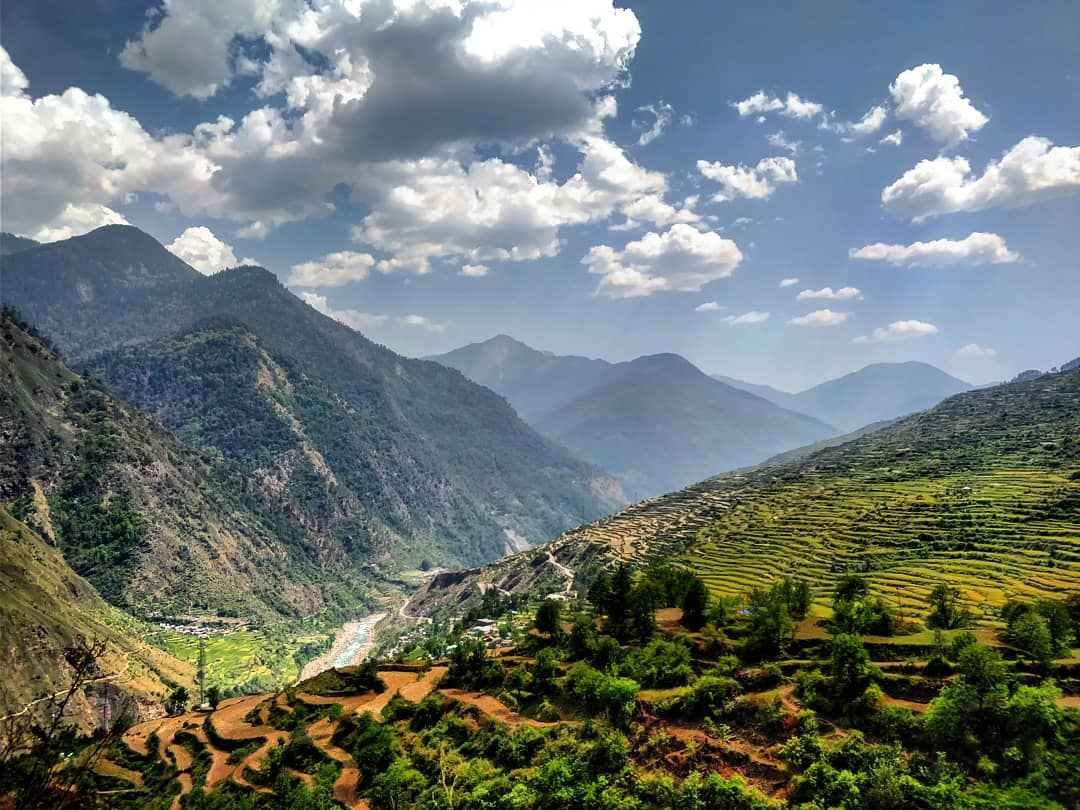
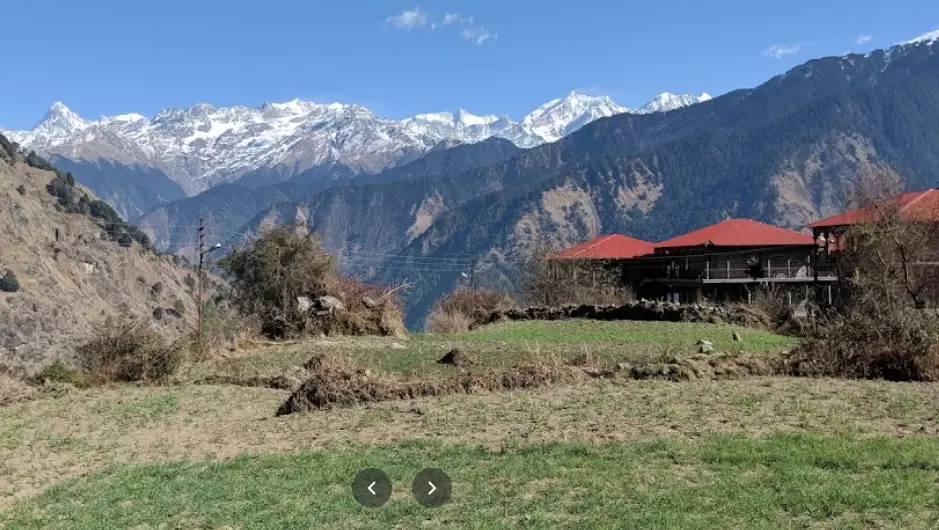
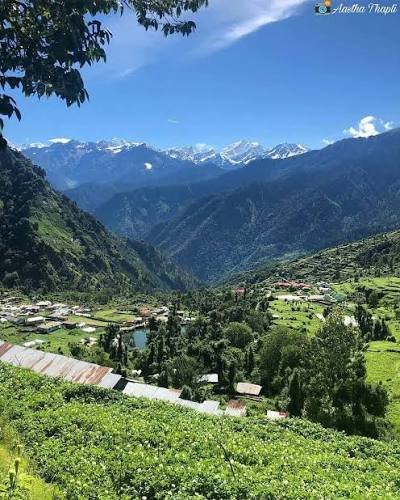
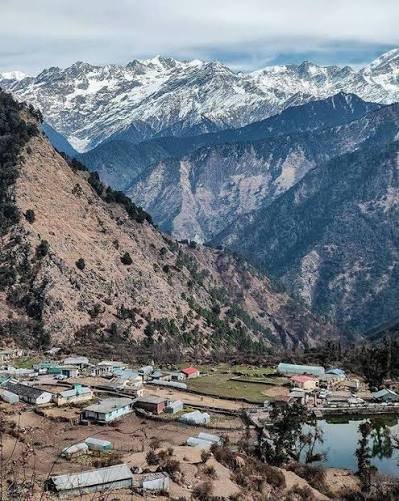
Barsu Village is a Himalayan settlement in Uttarkashi district, Uttarakhand, roughly 42 km from Uttarkashi town, best known as one of the two primary starting points for the Dayara Bugyal Trek — Uttarakhand’s most accessible high-altitude alpine meadow. Barsu Village Uttarkashi sits at an elevation reported variously between roughly 2,050 and 2,200 meters (sources vary slightly; verify current figures with your guide), surrounded by forest, terraced fields, and views toward peaks including Bandarpunch and Srikanth. It offers road access, traditional homestays, and a genuinely useful base for trekkers heading to Dayara Bugyal — but it’s also worth understanding as a destination in its own right, not simply a parking spot before the real trek begins.
This guide covers Barsu’s location, village life, the full Dayara Bugyal Trek route from this side, homestays, distances, and more than 30 answered questions.
Barsu Village Uttarkashi !!!
Barsu Village is a Himalayan village in Uttarkashi district of Uttarakhand, best known as one of the two main gateways to the Dayara Bugyal Trek, offering road access, traditional homestays, and a convenient starting point for trekkers heading toward the alpine meadows above.
The village sits amid green forest, terraced fields, and mountain streams, with snow-capped peaks visible on clear days. It’s home to a small community that has largely preserved traditional Garhwali culture — visible in daily life, food, and festivals — and has slowly gained visibility as trekkers increasingly choose the Barsu route to Dayara Bugyal over the alternative Raithal approach.
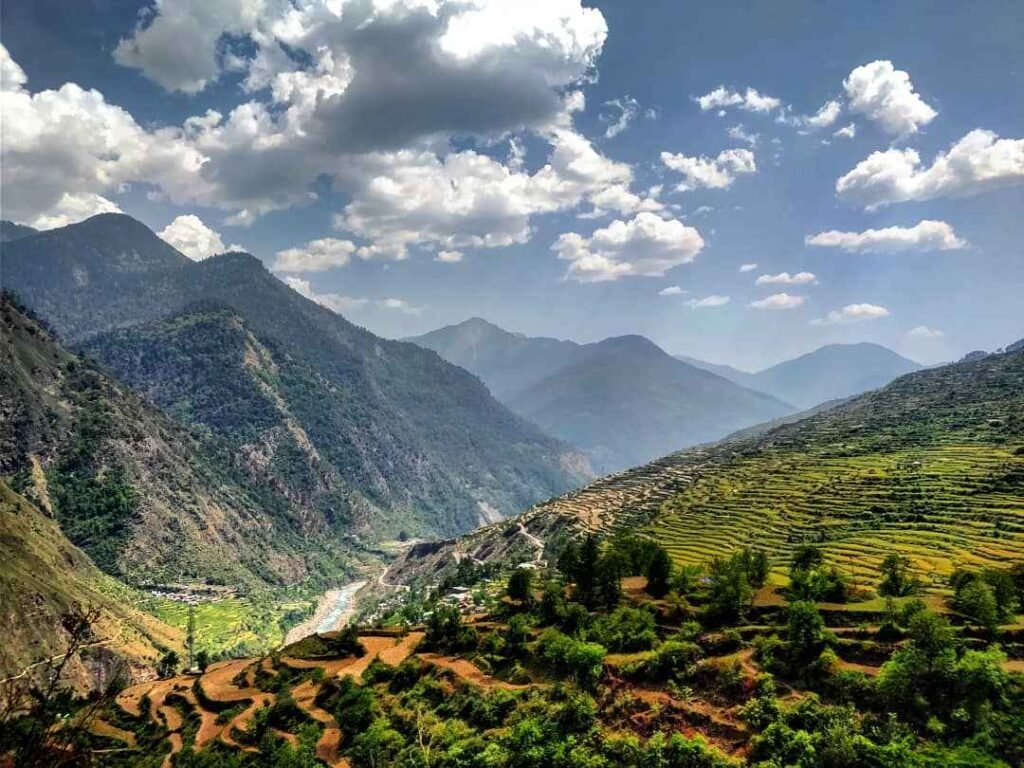
Where Is Barsu Village Located?
Barsu Village is located in Uttarkashi district of Uttarakhand, in the Garhwal Himalayas, roughly 42 km by road from Uttarkashi town, and serves as one of the primary trailheads for the Dayara Bugyal Trek.
| Location | Approximate Relationship |
|---|---|
| Uttarkashi | ~42 km, road journey |
| Bhatwari | Nearby regional gateway town |
| Dayara Bugyal | Trek destination above the village |
| Raithal | Alternative Dayara Bugyal gateway village |
| Gangnani | Nearby stop on the wider travel circuit |
| Harsil | Further up the same general valley system |
Given some variation in reported distances and altitude across available sources, treat the figures in this guide as approximate and confirm exact current distances with a local guide or driver before finalizing your plans.
Why Is Barsu Village Famous?
Barsu’s primary claim to fame is the Dayara Bugyal Trek, but the village itself offers a genuine Himalayan settlement experience beyond simply being a trailhead — traditional Garhwali lifestyle, scenic forest and terraced-field landscapes, and a small, welcoming community. What sets Barsu apart from simply visiting Dayara Bugyal as a destination is the chance to actually experience village life before and after the trek — homestay hospitality, local food, and a slower pace that the meadow itself, being purely a camping destination, can’t offer.
Barsu Village and the Dayara Bugyal Trek
Barsu is one of the two most popular starting points for the Dayara Bugyal Trek, alongside Raithal, offering a route that climbs gradually through dense oak and rhododendron forest before opening into the vast alpine meadow above.
From Barsu, at roughly 2,050–2,200 meters, the trail ascends steadily through forest, with well-marked paths and moderate gradients that make this route genuinely accessible to first-time trekkers. The path passes through oak, maple, and rhododendron forest with views of peaks including Bandarpunch and Srikanth opening up as elevation increases. Barnala Tal, a scenic high-altitude lake along the trail, serves as a popular intermediate camping stop for those taking a multi-day approach. The trek is widely considered slightly more scenic and comfortable via Barsu compared to some alternative approaches, with excellent camping locations and steady, manageable altitude gain throughout.
Ready to trek Dayara Bugyal via the Barsu route? Kashi of North arranges guided treks, homestays, and permits — WhatsApp +91 7253079221.
Barsu to Dayara Bugyal Trek Overview
| Trek Feature | Details |
|---|---|
| Starting point | Barsu Village |
| Destination | Dayara Bugyal |
| Trek type | Alpine meadow trek |
| Difficulty | Easy to moderate |
| Duration | Typically 3–5 days round trip, route dependent |
| Maximum altitude | Verify current route data with your guide |
| Trail | Forest (oak, maple, rhododendron) transitioning to open meadow |
| Intermediate stop | Barnala Tal (scenic camping lake) |
| Camping | Available at designated points along the route |
| Best season | May, June, September, October; snow trekking possible December–February |
| Guide | Strongly recommended |
| Permit | Usually arranged by trekking operators — verify current regulations |
Day-wise Trek Itinerary from Barsu
Note: Actual trekking schedules vary by season, operator, and weather — treat this as a general framework rather than a fixed plan.
3-Day Plan
Day 1: Uttarkashi to Barsu — arrival, village accommodation, brief exploration, trek briefing, weather check.
Day 2: Barsu to Dayara Bugyal — ascend through forest to the meadow, camp overnight at or near the bugyal.
Day 3: Return to Barsu and departure.
4-Day Plan
Day 1: Arrival in Barsu, village exploration, and trek preparation.
Day 2: Barsu to intermediate campsite (potentially Barnala Tal), through forest terrain with steady elevation gain.
Day 3: Campsite to Dayara Bugyal, meadow exploration, mountain views, photography.
Day 4: Return to Barsu, departure.
5-Day Plan (More Relaxed Pace)
Adds an additional acclimatization or exploration day at either Barnala Tal or Dayara Bugyal itself, giving more time for photography, rest, and a less rushed overall experience.
Want this itinerary tailored to your fitness level and available days? Kashi of North designs custom Dayara Bugyal Trek plans from Barsu — call or WhatsApp +91 7253079221.
Barsu Village Altitude
Barsu Village sits at approximately 2,050 to 2,200 meters, though sources vary slightly on the exact figure — confirm current elevation data with a local guide if precision matters for your trip planning.
From this base elevation, the Dayara Bugyal Trek climbs progressively higher through forest and eventually open meadow terrain. As altitude increases toward Dayara Bugyal, acclimatization becomes genuinely important — even though this trek is considered accessible for beginners, the elevation gain is real, and rushing the ascent increases the risk of mild altitude effects like headache or fatigue. Building at least one night in Barsu before starting the climb helps ease this transition.
Barsu Village Weather
Spring: Pleasant daytime conditions, fresh greenery returning to the forest, rhododendron flowering in season.
Summer: Comfortable trekking temperatures with clearer early mornings before any afternoon cloud builds.
Monsoon: Green, lush landscapes, but frequent rain, slippery trails, and possible road disruptions on the approach to Barsu — not the recommended season for trekking.
Autumn: Clear Himalayan views and generally excellent trekking conditions — widely considered the best overall season.
Winter: Real possibility of snow, cold nights, and snow-covered trails depending on that year’s snowfall — winter trekking here is possible but requires more preparation and ideally a local guide familiar with current conditions.
Best Time to Visit
| Season | Village Experience | Trekking Conditions | Snow | Recommendation |
|---|---|---|---|---|
| April–June | Excellent | Excellent, green meadows | Possible at higher elevations | Recommended |
| July–August (monsoon) | Green but wet | Not recommended — rain and slippery trails | No | Avoid if possible |
| September–November | Excellent | Best views, golden grass | Limited | Highly recommended |
| December–February | Cold | Snow trekking, winter camping | Likely | Experienced travelers |
Best months overall: May, June, September, and October.
Barsu Village in Winter
Winter transforms Barsu and the Dayara Bugyal route into a genuinely different kind of trip — snow-covered trails, cold nights, and a real need for proper cold-weather preparation and local guidance.
Road access to Barsu itself generally remains functional in winter, though conditions should be verified before travel given the mountain terrain involved. Village life continues through winter, though the character of a visit shifts noticeably — fewer visitors, colder temperatures, and a landscape genuinely transformed by snow. Winter trekking toward Dayara Bugyal from Barsu is possible for well-prepared, appropriately equipped trekkers, but this isn’t a season to attempt without proper cold-weather gear and, ideally, a local guide familiar with current snow conditions. Never assume a specific level of snowfall for a specific date — Himalayan winter conditions vary meaningfully year to year.
Planning a winter trek from Barsu? Kashi of North arranges winter-specific guides and gear support — WhatsApp +91 7253079221.
Village Life and Local Culture
Barsu’s small community has largely preserved traditional Garhwali culture, visible in daily agricultural life, traditional homes, and local festivals. Terraced fields surround the village, worked according to the seasonal agricultural calendar, and traditional architecture — stone and timber construction typical of the region — remains the norm rather than the exception. Village temples and local deity traditions are part of daily and seasonal life here, as across much of rural Uttarkashi district, and community festivals mark the calendar alongside major Hindu observances.
Visitors staying in a Barsu homestay get direct exposure to this way of life — genuinely warm hospitality from a community whose culture, food, and daily rhythm haven’t been substantially reshaped by tourism, even as trekking traffic to Dayara Bugyal has grown in recent years.
Food in Barsu Village
Homestays in Barsu typically serve simple, home-cooked vegetarian meals using local ingredients. Dishes commonly available include mandua roti (finger millet flatbread), phaanu (a slow-cooked lentil dish), chainsoo (a distinctive Garhwali lentil preparation), jhangora ki kheer (barnyard millet pudding), local dal, seasonal vegetables, aloo ke gutke (spiced potatoes), and local herbal or regional tea. Availability depends on the specific homestay and season — don’t expect a fixed menu, and appreciate the meal as a genuine reflection of what’s locally available rather than a curated tourist offering.
During the trek itself, food is typically prepared by trekking staff at camp — carry a water bottle and purification tablets for trail hydration, and avoid leaving any plastic waste in the meadows.
Accommodation in Barsu Village
| Location | Stay Options |
|---|---|
| Barsu Village | Homestays, basic guesthouses |
| Barnala Tal | Tented camps (intermediate trek stop) |
| Dayara Bugyal | High-altitude camping |
Barsu homestays generally offer basic but clean rooms, local food, and genuinely warm hospitality — this is the primary and most authentic accommodation option in the village. Staying a night in Barsu before beginning the trek is genuinely useful: it lets you rest after the road journey, acclimatize slightly, meet your guide, check equipment, and start the ascent early the following morning rather than attempting to trek the same day you arrive.
Want your Barsu homestay confirmed and booked before you travel? Kashi of North handles local accommodation arrangements — call or WhatsApp +91 7253079221.
How to Reach Barsu Village
Barsu Village is reached by road via Dehradun, Rishikesh, and Uttarkashi, with the final approach covering roughly 42 km from Uttarkashi town.
From Delhi
Delhi → Dehradun → Uttarkashi → Barsu, typically requiring an overnight stop given the total distance and mountain driving involved.
From Dehradun
Via Rishikesh and the Rishikesh–Uttarkashi highway (NH-134) to Uttarkashi, then onward to Barsu — allow a full day for the complete journey.
From Rishikesh
Follow the same route through Uttarkashi, continuing to Barsu — a long single-day drive is possible but often better broken into two days.
From Haridwar
Via Rishikesh, following the same onward route to Uttarkashi and Barsu.
By Air
The nearest airport is Jolly Grant Airport, Dehradun, roughly 210 km from Barsu — followed by a road journey via Uttarkashi. Seasonal helicopter services in the wider region should not be assumed to be available year-round; verify current options if relevant to your trip.
By Train
The nearest railway stations are Dehradun and Haridwar, both requiring onward road travel to reach Uttarkashi and then Barsu.
By Bus
Uttarakhand Transport Corporation (UTC) buses and shared jeeps connect Dehradun and Rishikesh to Uttarkashi regularly; from Uttarkashi, local shared or private transport covers the final stretch to Barsu.
By Taxi
Private and shared taxis operate the full route, with local drivers available in Uttarkashi for the Barsu connection — genuinely useful given the mountain roads involved on this last stretch.
Self-Drive
Mountain driving conditions apply throughout, particularly from Uttarkashi onward — plan for slower average speeds than map estimates suggest, avoid night driving, fill fuel in Uttarkashi before the final approach, and take extra care during monsoon.
Prefer not to navigate the full Dehradun–Barsu route yourself? Kashi of North provides private taxi service for the complete journey — WhatsApp +91 7253079221.
Distance Chart
| Origin | Approximate Distance | Notes |
|---|---|---|
| Delhi | Verify current route distance | Via Dehradun/Rishikesh |
| Dehradun | Verify current route distance | Via Rishikesh/Uttarkashi |
| Rishikesh | Verify current route distance | Via Uttarkashi |
| Haridwar | Verify current route distance | Via Rishikesh/Uttarkashi |
| Uttarkashi | ~42 km | Direct road connection |
| Bhatwari | Verify current route distance | Nearby regional town |
| Jolly Grant Airport (Dehradun) | ~210 km | Nearest airport |
Things to Do in Barsu Village
- Explore the village and its traditional Garhwali architecture
- Experience local culture through homestay hospitality
- Stay in a homestay for a genuine cultural experience
- Start the Dayara Bugyal Trek
- Photograph Himalayan landscapes — terraced fields, forest, distant peaks
- Explore nearby forests on short walks before or after the main trek
- Watch sunrise and sunset over the surrounding ridgelines
- Taste local food — mandua roti, phaanu, chainsoo, and more
- Meet local guides and shepherd communities respectfully
- Use Barsu as a base for nearby Himalayan experiences beyond just Dayara Bugyal
Places Near Barsu Village
| Place | Notes |
|---|---|
| Dayara Bugyal | The trek’s primary destination, alpine meadow above the village |
| Barnala Tal | Scenic lake, intermediate camping stop on the trail |
| Raithal | Alternative Dayara Bugyal gateway village |
| Uttarkashi | District headquarters, ~42 km away |
| Bhatwari | Nearby gateway town on the Gangotri Highway |
| Gangnani | Hot spring stop, further along the wider circuit |
| Maneri | Reservoir and gorge landscape near Uttarkashi |
| Harsil | Apple orchard valley further up the Bhagirathi |
| Gangotri | Char Dham temple |
Want to combine Barsu and Dayara Bugyal with a wider Uttarkashi circuit including Gangnani and Harsil? Kashi of North plans the complete route — WhatsApp +91 7253079221.
Barsu vs Dayara Bugyal
| Barsu Village | Dayara Bugyal |
|---|---|
| A village | An alpine meadow |
| Road-accessible base | Trek destination, no road access |
| Local homes and homestays | Campsites and open meadow |
| Cultural experience | Himalayan landscape experience |
| Overnight stay in comfort possible | Usually trekking and camping only |
| Starting point for the trek | The trek’s actual destination |
These are genuinely different kinds of experiences, and travelers shouldn’t treat a Barsu visit as interchangeable with actually trekking to Dayara Bugyal — the village offers cultural and logistical value, while the meadow delivers the high-altitude landscape payoff.
Barsu vs Raithal for Dayara Bugyal
Both Barsu and Raithal serve as legitimate, popular gateways to Dayara Bugyal, and neither is universally “better” — the right choice depends on your priorities.
- Trek route: The Barsu route is often considered slightly more scenic and comfortable, with steady, manageable altitude gain and strong camping locations along the way.
- Village experience: Both villages offer genuine Garhwali homestay culture; specifics vary by which family or operator you stay with.
- Accessibility: Both are road-connected from Uttarkashi, with broadly comparable travel times.
- Accommodation: Homestay availability exists at both villages — confirm current options with your guide or operator.
- Scenic differences: Both approaches pass through oak and rhododendron forest before opening into meadow, though the exact forest character and viewpoints differ somewhat by route.
If you’re unsure which to choose, a local guide or operator familiar with current trail conditions at both can help match the route to your specific preferences and travel dates.
Trek Difficulty from Barsu
The Dayara Bugyal Trek from Barsu is rated Easy to Moderate — a well-marked, non-technical trail with steady elevation gain that suits first-time trekkers and families with older children, provided basic fitness is in place.
The route doesn’t require technical climbing skills, but genuine walking fitness and awareness of altitude and weather changes matter. Elevation gain is steady rather than extreme, and the trail’s forest cover offers some shelter from direct sun and wind for much of the ascent. Weather and snow conditions can shift the difficulty meaningfully in winter — a summer or autumn trek and a winter trek from Barsu are genuinely different undertakings in terms of preparation required.
Packing List
Clothing
| Item | Notes |
|---|---|
| Warm layers | Base layer, fleece, insulated jacket |
| Waterproof jacket | Essential regardless of season |
| Trek pants | Quick-dry, comfortable for walking |
| Woolen socks | Multiple pairs |
| Gloves | Especially for shoulder-season or winter treks |
| Cap/sun hat | UV protection at altitude |
Footwear
| Item | Notes |
|---|---|
| Trekking shoes | Good grip, broken in before the trek |
| Camp shoes | For evenings at camp |
| Gaiters | Essential if trekking in snow conditions |
Trek Equipment
| Item | Notes |
|---|---|
| Backpack | Appropriately sized for trek duration |
| Trekking poles | Genuinely useful on the ascent and descent |
| Headlamp | With spare batteries |
| Water bottle | Plus purification tablets |
| Sunglasses and sunscreen | UV exposure increases with altitude |
| Power bank | Charging options are limited on the trail |
Personal Items
| Item | Notes |
|---|---|
| Government ID | Required for permits and accommodation |
| Emergency cash | ATMs are not reliably available beyond Uttarkashi |
| Medicines | Personal prescriptions plus basic first-aid |
| Toiletries | Basic, trail-appropriate |
| First-aid kit | Genuinely important given limited medical access on route |
Health and Safety
Altitude: Real, though moderate, on this route — acclimatize with at least one night in Barsu before ascending, hydrate well, and watch for headache, nausea, or fatigue.
Dehydration and sun exposure: UV intensity increases with elevation — sunscreen and sun protection matter even on cool days.
Cold weather: Nights can be genuinely cold even outside winter — pack warmer than you think you’ll need.
Rain and snow: Trail conditions can shift quickly with weather — a waterproof layer is non-negotiable regardless of season.
Slippery trails: Particularly relevant in monsoon or during/after snowfall — proper footwear and trekking poles help significantly.
Road conditions: The approach to Barsu itself involves genuine mountain driving — build in extra time and avoid rushing.
Emergency planning: Mobile network is limited to absent on much of the trek route — inform someone of your itinerary before departing, and travel with a local guide for genuine safety margin on unfamiliar terrain.
Responsible Tourism
Carry back all plastic waste — there’s no waste infrastructure on the trek route or in much of the village. Avoid littering anywhere along the trail or at campsites. Respect village temples and any local religious sites you encounter. Always ask before photographing residents. Support local homestays and buy local products directly where possible, rather than bringing everything from outside the region. Avoid damaging the meadow ecosystem at Dayara Bugyal — stay on established paths rather than cutting new routes across fragile grassland. Don’t disturb livestock kept near village homes, and keep noise levels reasonable, avoiding loud music in residential areas. Following forest and trekking regulations isn’t just a legal formality — it’s part of what keeps this route open and enjoyable for the communities who live along it.
Photography Guide
Barsu’s traditional village architecture and terraced farmland offer genuine, unposed compositions, particularly in morning or late-afternoon light. Himalayan views — Bandarpunch and Srikanth among the recognizable peaks — open up progressively as the trail climbs, rewarding patient photography at multiple points along the ascent rather than only at the final destination. The forest sections, especially where rhododendron blooms in season, offer strong forest-interior compositions. Dayara Bugyal itself is the trek’s signature landscape subject — wide meadow shots with mountain backdrops, best in clear morning or late-afternoon light. Night sky photography from Barnala Tal or Dayara Bugyal benefits from minimal light pollution on clear nights.
Drone use: May be restricted around forest areas, wildlife zones, and sensitive locations in this border-adjacent district — verify current permissions before flying a drone anywhere along this route.
Practical Information
Mobile network: Coverage varies meaningfully between Uttarkashi, Bhatwari, Barsu, and the trek route itself — don’t assume consistent connectivity anywhere beyond the larger towns, and expect limited to no signal for much of the actual trek.
ATMs and cash: Not reliably available in Barsu itself — withdraw sufficient cash in Uttarkashi before heading up, and don’t assume digital payments will work throughout your trip.
Internet: Limited in Barsu; more reliable in Uttarkashi town.
Fuel: Fill up in Uttarkashi before the final approach to Barsu.
Medical facilities: None in Barsu itself; the District Hospital in Uttarkashi is the nearest significant facility, roughly 42 km away.
Emergency Contacts
| Service | Contact |
|---|---|
| National Emergency | 112 |
| Uttarakhand Tourist Helpline | 1364 |
| District Hospital, Uttarkashi | 01374-222026 |
| Kashi of North Travel Assistance | +91 7253079221 |
Barsu Village for Different Travelers
Families: Suitable for families with older children given the trek’s moderate, non-technical difficulty; younger children should be assessed individually for fitness and interest.
Couples: A genuinely peaceful, uncrowded base for a Himalayan getaway, particularly outside peak trekking season.
Solo Travelers: Manageable with a local guide, especially for the trek portion — solo village exploration is straightforward and welcoming.
Backpackers: Budget-friendly homestay options and a genuinely authentic Himalayan village experience.
Photographers: Strong opportunities across village architecture, forest, and the Dayara Bugyal meadow itself.
Trekkers: One of Uttarakhand’s most accessible entry points into genuine high-altitude alpine meadow trekking.
Is Barsu Village Worth Visiting?
Yes — Barsu Village is worth visiting both as the practical gateway to the Dayara Bugyal Trek and as a genuine Himalayan village experience in its own right, offering traditional homestay culture, mountain scenery, and a peaceful pace that complements the high-altitude payoff of the trek above it.
The village suits travelers who want more than a pure trailhead stopover — genuine cultural interaction, local food, and a slower introduction to Garhwali mountain life before or after the physical demands of the trek itself.
Sample Itineraries
Suggested Uttarkashi Circuit
Dehradun → Uttarkashi → Barsu → Dayara Bugyal → Bhatwari → Gangnani → Harsil → Gangotri
The exact sequence should be adjusted based on current road conditions, season, and your own travel preferences — this is a flexible framework rather than a fixed route.
Want this full circuit planned and booked as one seamless trip? Kashi of North designs complete Uttarkashi district itineraries — call or WhatsApp +91 7253079221.
Conclusion
Barsu Village deserves more attention than simply being treated as a trek starting point. It offers a genuine Himalayan village experience — traditional Garhwali culture, warm homestay hospitality, and real mountain scenery — alongside its practical role as one of the two main gateways to Dayara Bugyal, one of Uttarakhand’s finest and most accessible alpine meadows. Whether you’re trekking for the first time or simply looking for a short, genuine Himalayan escape, the Barsu route to Dayara Bugyal delivers a strong combination of adventure, comfort, and authentic natural beauty.
Planning your Barsu Village and Dayara Bugyal trip? Let Kashi of North help you arrange your stay, local transport, trek guide, and complete Dayara Bugyal experience.
📞 Call/WhatsApp: +91 7253079221 📧 Email: kashiofnorth@gmail.com 🌐 Website: kashiofnorth.com
Frequently Asked Questions
1. Where is Barsu Village in Uttarkashi? In Uttarkashi district, Uttarakhand, roughly 42 km from Uttarkashi town, in the Garhwal Himalayas.
2. What is Barsu Village famous for? Being one of the two main gateways to the Dayara Bugyal Trek, alongside its own traditional Garhwali village character.
3. Is Barsu the starting point of the Dayara Bugyal Trek? Yes, it’s one of the two most popular starting points, the other being Raithal village.
4. How far is Barsu from Uttarkashi? Approximately 42 km by road.
5. How far is Barsu from Dayara Bugyal? Route distance varies by exact trail and pace — typically covered over 2–3 trekking days each direction; confirm current figures with your guide.
6. How do I reach Barsu Village? By road via Dehradun, Rishikesh, and Uttarkashi, followed by the final ~42 km stretch to Barsu.
7. What is the best time to visit Barsu? May, June, September, and October offer the best overall conditions.
8. Can I visit Barsu in winter? Yes, though winter trekking requires proper cold-weather gear and ideally a local guide familiar with current snow conditions.
9. Does it snow in Barsu? Snow is possible in winter, particularly at higher points on the Dayara Bugyal trail; don’t assume snowfall on a specific date without verifying current conditions.
10. Where can I stay in Barsu Village? Homestays and basic guesthouses are the primary accommodation options.
11. Are there homestays in Barsu? Yes, offering basic but clean rooms, local food, and genuine hospitality.
12. Is Barsu suitable for families? Yes, particularly families with older children, given the trek’s moderate difficulty.
13. Is Barsu suitable for beginners? Yes, the Dayara Bugyal Trek from Barsu is widely considered accessible for first-time trekkers.
14. What is the Barsu to Dayara Bugyal Trek difficulty? Easy to Moderate — non-technical, with steady elevation gain.
15. What is the Dayara Bugyal Trek cost from Barsu? Costs vary by group size, season, and package inclusions — contact Kashi of North for current, accurate pricing.
16. How many days are needed for Barsu and Dayara Bugyal? Typically 3–5 days round trip, depending on pace and whether an acclimatization day is included.
17. What should I carry for the Dayara Bugyal Trek from Barsu? Warm layered clothing, waterproof gear, trekking shoes, a first-aid kit, and cash — see the full packing list above.
18. Is a guide required for the Dayara Bugyal Trek? Not strictly mandatory but strongly recommended, particularly given limited mobile network on the trail.
19. Is mobile network available in Barsu? Coverage is variable — don’t assume consistent connectivity in the village or on the trek route.
20. Are ATMs available in Barsu? No, withdraw cash in Uttarkashi before heading up.
21. Can I reach Barsu by car? Yes, Barsu is road-connected from Uttarkashi, though mountain driving conditions apply.
22. Is Barsu accessible during monsoon? Accessible but not recommended for trekking given rain, slippery trails, and possible road disruptions.
23. What places can I visit near Barsu? Dayara Bugyal, Barnala Tal, Raithal, Uttarkashi, Bhatwari, Gangnani, Harsil, and Gangotri.
24. What food is available in Barsu? Simple vegetarian homestay meals featuring mandua roti, phaanu, chainsoo, jhangora ki kheer, and local seasonal vegetables.
25. Can I book a taxi to Barsu? Yes, through Kashi of North or local operators in Uttarkashi.
26. Can I book a Dayara Bugyal Trek from Kashi of North? Yes, including guides, homestays, permits, and transport — reach out via WhatsApp at +91 7253079221.
27. What is Barnala Tal? A scenic high-altitude lake along the Barsu-to-Dayara-Bugyal trail, used as a popular intermediate camping stop.
28. Is the Barsu route better than the Raithal route to Dayara Bugyal? Neither is universally better — Barsu is often considered slightly more scenic and comfortable, but both are legitimate, popular gateways; the right choice depends on your preferences and current trail conditions.
29. What peaks are visible from the Barsu route? Bandarpunch and Srikanth are among the recognizable peaks visible as the trail gains elevation.
30. What is the altitude of Barsu Village? Approximately 2,050 to 2,200 meters, with some variation across available sources — verify current figures if precision matters for your trip.