
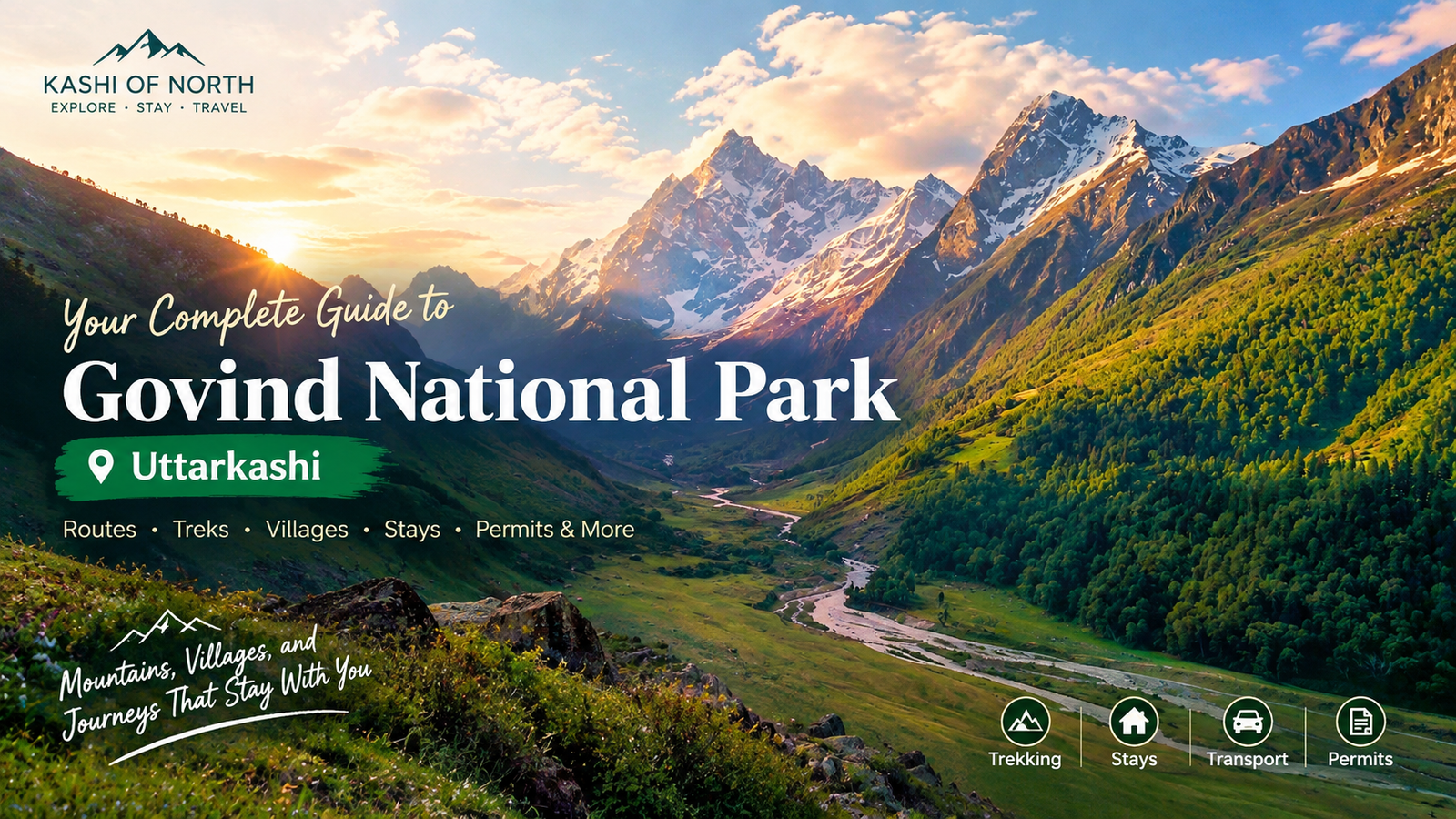
Govind National Park Uttarkashi: Complete Travel Guide, Treks, Hotels & Permits
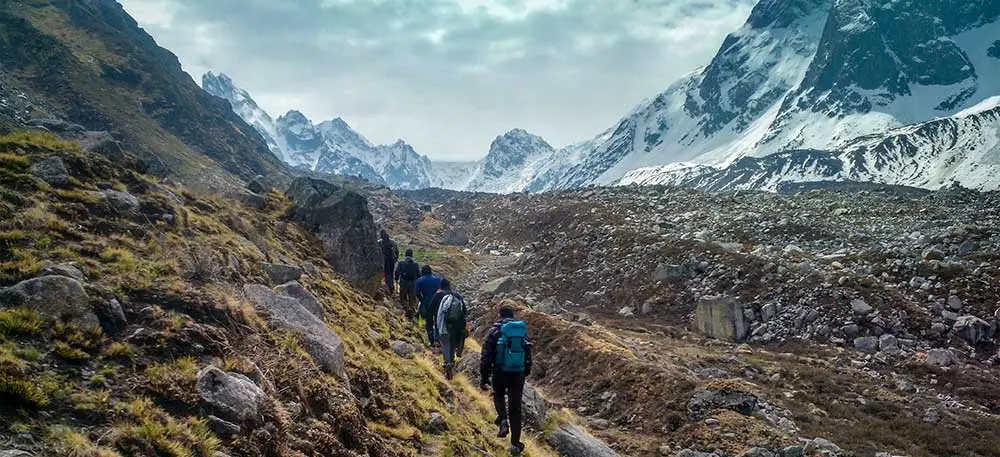
Govind National Park is the largest protected wilderness in Uttarkashi, where towering Himalayan peaks, ancient villages, alpine meadows, and pristine forests create one of the most breathtaking landscapes in Uttarakhand. Spread across the Tons and Supin valleys, the park is the gateway to iconic treks like Har Ki Dun, Kedarkantha, Phulara Ridge, and Bali Pass, making it a paradise for trekkers, photographers, birdwatchers, and nature lovers.
Beyond its scenic beauty, Govind National Park is home to incredible Himalayan wildlife, including the Himalayan Monal, Musk Deer, Bharal (Blue Sheep), Himalayan Black Bear, and the elusive Snow Leopard. Every season transforms the park into a different experience—from blooming bugyals in spring to snow-covered trails in winter.
This guide by Kashi of North goes beyond sightseeing. We’ll help you discover the best villages inside the park, find verified hotels and homestays, arrange local transport from Uttarkashi, understand the forest permit process, choose the right trek for your adventure, and connect with trusted local guides—everything you need to plan your Govind National Park journey in one place.
| Location Uttarkashi,Uttrakhand | Gateway Village Sankri |
| Best Time April-june & Sept-Nov | Famous For Har Ki Dun & Kedarkantha |
Why Visit Govind National Park?
If you ask anyone from Uttarkashi what makes Govind National Park special, they probably won’t start with wildlife—they’ll tell you about the feeling of walking through quiet deodar forests, crossing wooden bridges over the Supin River, and reaching villages where life still moves with the mountains.
This is a place where every trail has a story. From the ancient village of Osla to the alpine meadows of Har Ki Dun, Govind National Park offers much more than a trekking destination. You’ll witness snow-covered peaks, crystal-clear rivers, traditional Garhwali culture, and some of the most beautiful Himalayan landscapes that remain untouched by mass tourism.
Whether you’re looking for a weekend escape in Sankri, a challenging high-altitude trek, or simply a peaceful mountain experience, Govind National Park is one of those places you’ll remember long after the journey ends.
Dehradun to Sankri: The Road to Govind National Park
Sankri is the main gateway to Govind National Park and the starting point for some of Uttarakhand’s most famous treks, including Har Ki Dun and Kedarkantha. The journey from Dehradun to Sankri is not just a transfer—it is a beautiful mountain drive through Mussoorie, Naugaon, Purola, Mori, Netwar and the Tons Valley.
The total road journey is roughly 190–200 km and usually takes around 8–10 hours, depending on road conditions, weather and traffic. As you leave the plains behind, the landscape gradually changes from busy roads to quiet mountain villages, pine forests and the winding Tons River.
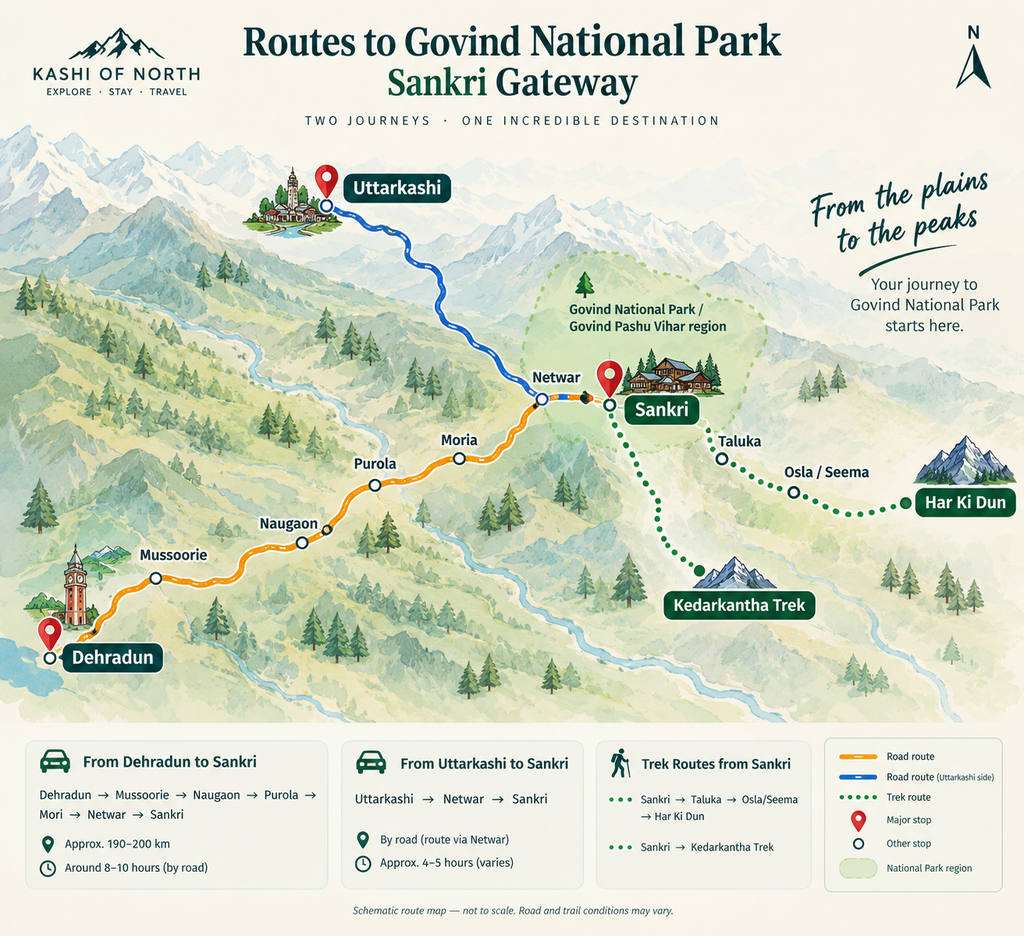
Route from Dehradun to Sankri
Dehradun → Mussoorie → Naugaon → Purola → Mori → Netwar → Sankri
If you’re travelling for a trek, we recommend starting early from Dehradun so you can reach Sankri during daylight. The last part of the journey, especially after Mori and Netwar, becomes more remote, with fewer shops and services along the road.
How Can You Travel from Dehradun to Sankri?
You have three main options:
Shared Taxi – A budget-friendly option for solo travellers and backpackers.
Private Taxi – More comfortable for families, couples or trekking groups and allows you to stop along the way.
Tempo Traveller – A practical choice for larger trekking groups travelling together.
Sankri: Where the Journey into Govind National Park Begins
For most travellers heading towards Govind National Park, Sankri is where the real mountain journey begins. After the long drive through the Tons Valley, the landscape becomes quieter, the forests thicker and the villages more remote.
Sankri is the main base for several popular treks, including Har Ki Dun, Kedarkantha, Phulara Ridge and Bali Pass. You’ll find local homestays, hotels, small shops and cafés where you can rest and prepare before heading further into the mountains.
It is also the place to arrange the practical things you may need—local transport, guides, trekking supplies, accommodation and permits, depending on your route.
From Sankri, many journeys continue towards Taluka, Osla, Gangad and Seema, where roads gradually give way to trekking trails and you get a closer look at traditional mountain life.
If you’re visiting for the first time, give yourself some time in Sankri rather than treating it as just an overnight stop. Have a local meal, check your backpack, speak with your guide and get ready for the trail ahead.
From here, the road ends for many travellers—but the real experience of the Govind National Park region begins.

Villages Around Govind National Park
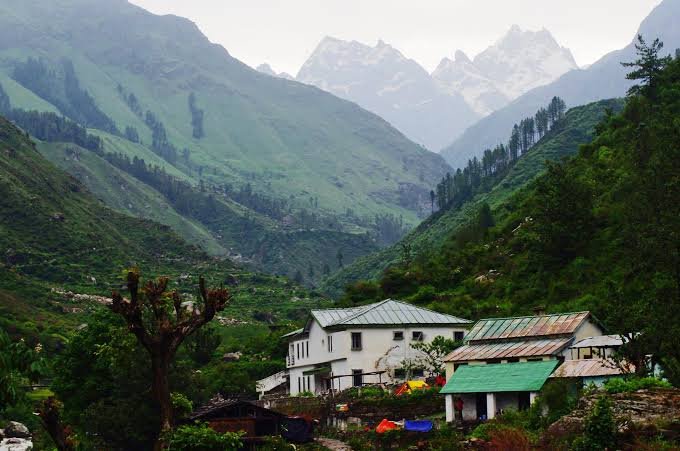
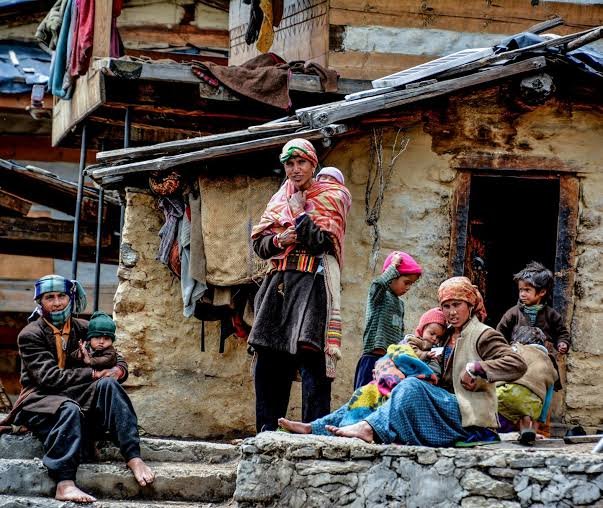
The villages around Govind National Park are not all the same. As you move deeper into the Tons and Supin valleys, each one has a different feel and plays a different part in the journey.
Taluka – Where the Trek Begins
For many travellers, Taluka is the point where the road finally gives way to the trail. The drive from Sankri ends here for trekkers heading towards Har Ki Dun, and from this point you continue on foot.
Taluka feels like a proper mountain village rather than a tourist stop. Spend a little time here before starting your walk, especially if you have come straight from Sankri.
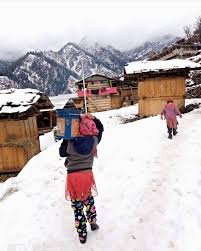
Osla – The Village You Remember
Osla is one of those villages that tends to stay with you after the trek. Its traditional wooden houses, old architecture and position on the mountainside give it a character of its own.
The village is also closely connected with the local culture of the valley. Walk through the lanes, look at the traditional homes and take some time to understand that this is a living village, not an open-air tourist attraction.

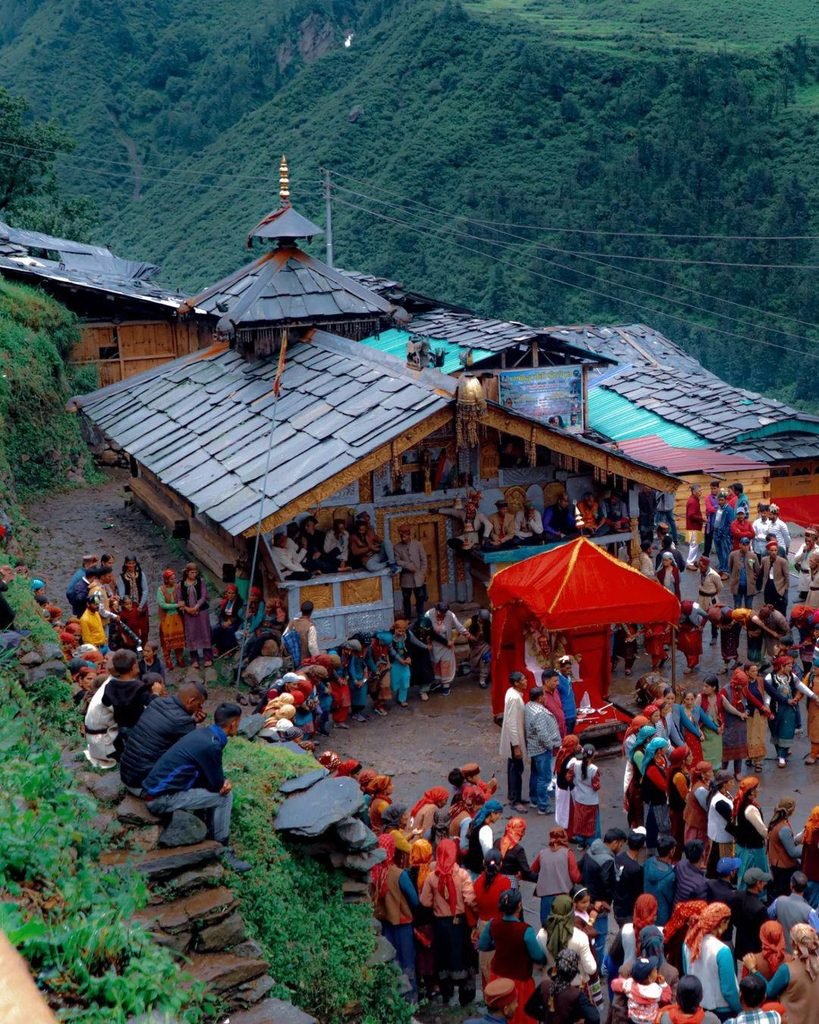
Gangad – A Quieter Side of the Valley
Gangad feels more tucked away. Located along the Har Ki Dun route, it sees fewer visitors than some of the better-known stops.
For trekkers, this is a good place to slow down and experience the quieter side of the Supin Valley. The village sits close to the river, with forests and steep mountain slopes surrounding it.
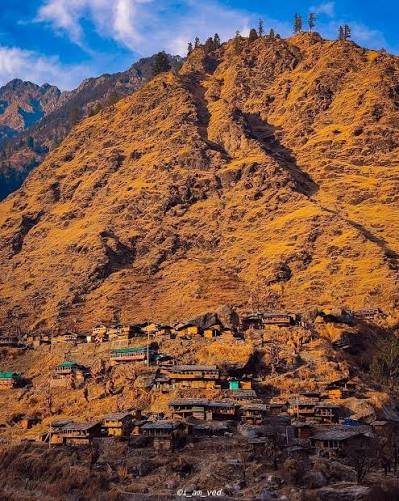
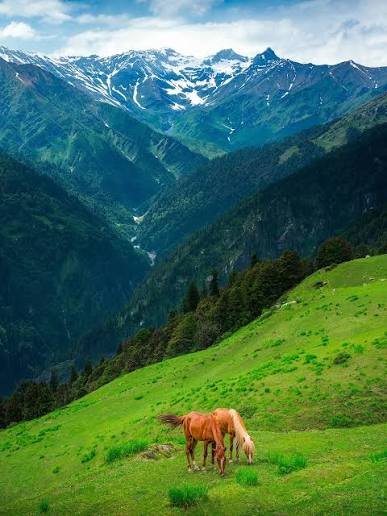
Seema – The Trekker’s Rest Point
Seema has a different role on the route. It is commonly used as an overnight stop for trekkers heading towards Har Ki Dun, making it one of the more familiar places along the trail.
After several hours of walking, Seema is where you can put your backpack down, have some food and rest before continuing the next day. The open valley around the village also gives you some excellent mountain views.
Best Treks Connected to Govind National Park
If you’re coming to Govind National Park for trekking, you have several routes to choose from. Some take you through villages and forests, while others climb higher into open meadows and snow-covered mountain terrain.
Here are some of the main treks connected with the Govind National Park region.
Har Ki Dun – The Classic Valley Trek
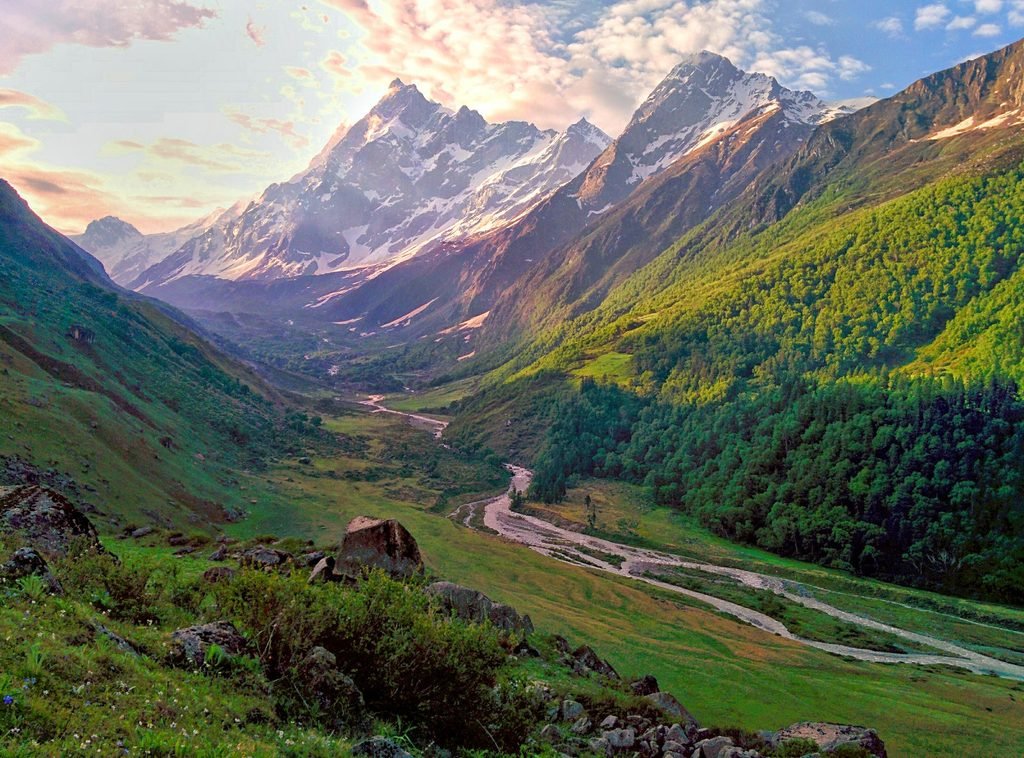
Har Ki Dun is probably the trek most closely associated with this region. The trail takes you through forests, wooden bridges, the Supin Valley and villages such as Osla, Gangad and Seema before opening into the famous Har Ki Dun valley.
This is a good choice if you want a trek where the journey itself is as important as the destination. You get forests, rivers, villages, mountain views and plenty of time to experience the landscape at a slower pace.
Kedarkantha – A Popular Snow Trek
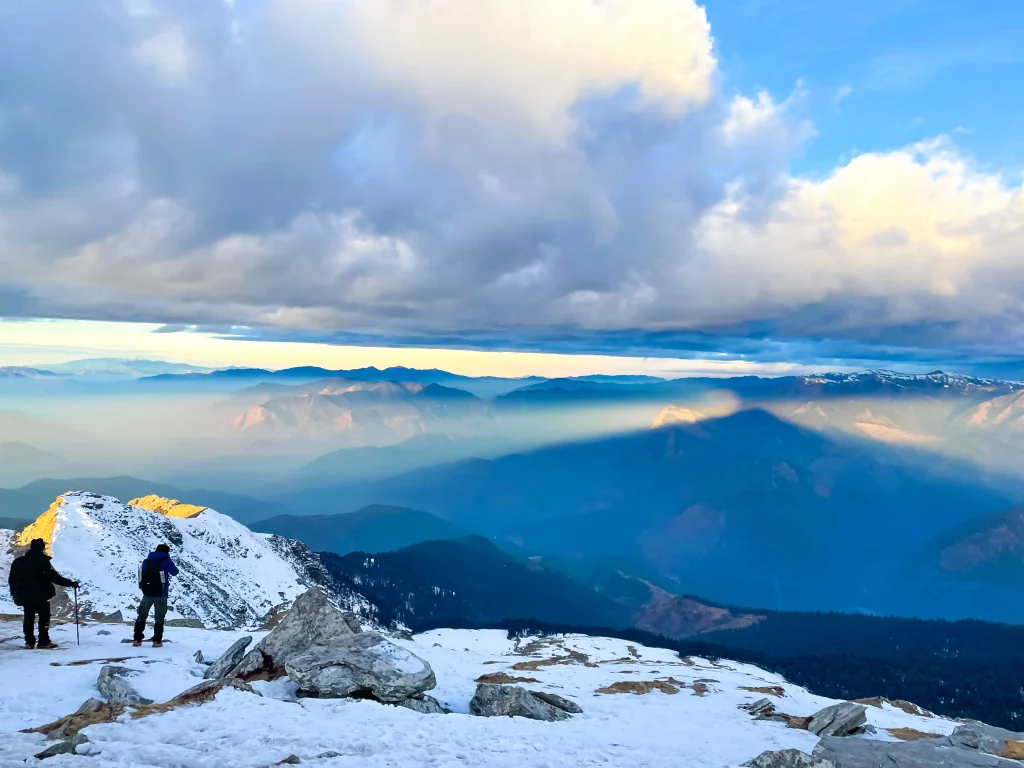
Kedarkantha is one of the most popular winter treks in Uttarakhand and is also accessed from the Sankri side.
The trail passes through forests and open clearings before reaching the summit, where you get wide Himalayan views. Snow is a major attraction here during winter, making it a favourite for people experiencing their first Himalayan snow trek.
Phulara Ridge – For Open Mountain Views
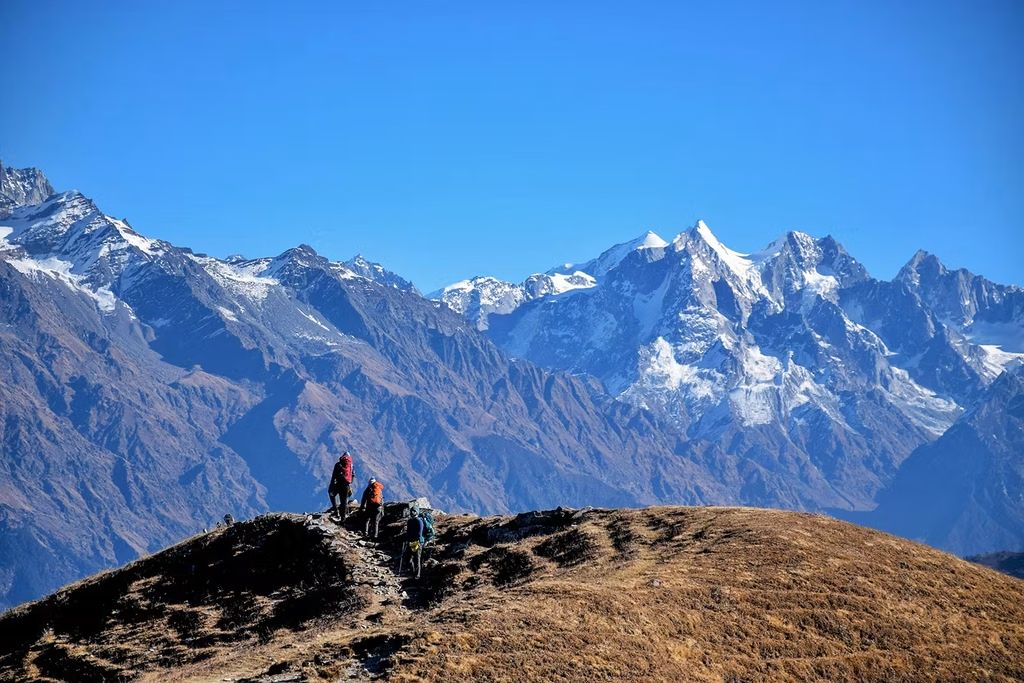
Phulara Ridge is quite different from Har Ki Dun. Instead of spending most of the trek inside a valley, you spend a good part of the route walking along a high ridge.
On a clear day, the views open up in several directions, with mountains stretching across the horizon. If you enjoy wide views and ridge walking more than village trails, Phulara Ridge is worth considering.
Bali Pass – For Experienced Trekkers
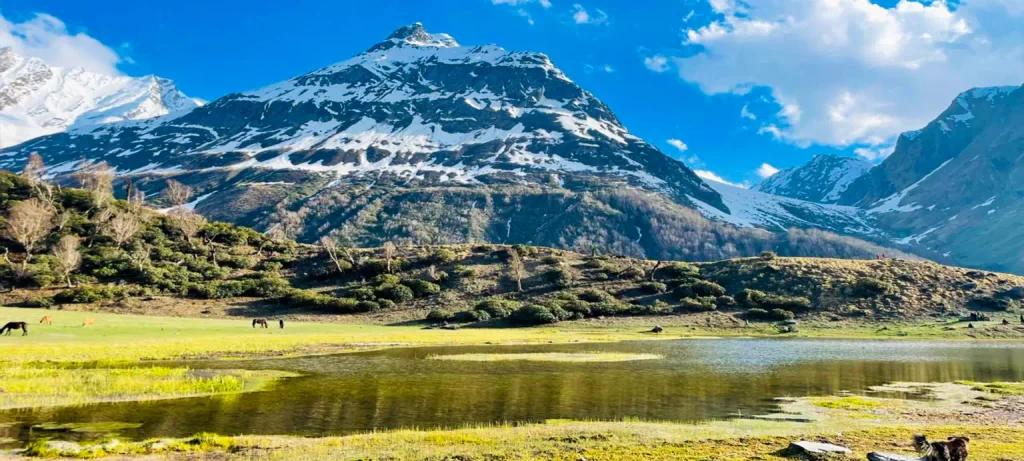
Bali Pass is a much more demanding route and is better suited to trekkers who already have experience with high-altitude trekking.
The route connects the Har Ki Dun side with the Yamunotri region and takes you through remote valleys, high passes and challenging terrain. Weather and trail conditions can make a big difference here, so proper preparation and experienced local support are important.
Where to Stay: Hotels & Homestays Near Govind National Park
Sankri is the main place to stay before or after exploring Govind National Park. You’ll find local hotels, guesthouses and homestays with basic but comfortable rooms, local food and mountain surroundings. For most trekkers, staying one night in Sankri before the trek is a good idea as it gives you time to rest after the journey, arrange local transport and prepare for the trail.
If you want a more local experience, a homestay is a good choice where you can enjoy home-cooked food and meet families from the area. Hotels and guesthouses are better if you prefer more privacy and basic facilities. During busy trekking seasons, especially summer and autumn, it is better to book your stay in advance.
At Kashi of North, we can help you find suitable local hotels and homestays based on your trek, travel dates and budget, so you can focus on enjoying the mountains rather than worrying about where to stay.
Govind National Park Permit Guide
If you’re planning to trek in the Govind National Park area, permits and entry requirements should be checked before starting your trek. The exact requirements can depend on the route, trekking area and current forest department rules.
For popular routes such as Har Ki Dun, your trek operator or local guide can usually help you understand which permissions are needed and where they need to be arranged. It is better to sort this out before leaving Sankri rather than trying to manage everything at the last moment.
Keep your valid ID and necessary travel documents with you, and follow the instructions given by the forest authorities. Permit fees and rules can also change, so always confirm the latest requirements before your journey.
At Kashi of North, we can help you understand the permit process and coordinate the required arrangements along with your trek, accommodation and local transport.
Best Time to Visit Govind National Park
The best time to visit Govind National Park depends on the trek you are planning. The landscape changes with every season, so it is worth choosing your dates carefully.
🌸 April to June – Green & Pleasant
A good period for Har Ki Dun and Phulara Ridge. Forests are green, flowers start appearing and the weather is generally comfortable for trekking.
☀️ July to August – Monsoon
Heavy rain can make mountain roads and trails slippery, with possible landslides on some routes. We generally recommend checking local weather and trail conditions before planning a trek during these months.
🍂 September to November – Clear Mountain Views
One of the better periods for Har Ki Dun, Phulara Ridge and Bali Pass, depending on current trail and weather conditions. The skies are often clearer after the monsoon, giving you good views of the surrounding peaks.
❄️ December to March – Winter & Snow
This is the main season for Kedarkantha, especially for travellers looking for a snow trek. Higher routes can become very cold and snowy, and some trails may require more experience and proper winter equipment.
Quick trek guide:
Har Ki Dun: April–June & September–November
Phulara Ridge: April–June & September–November
Bali Pass: May–June & September–October, subject to conditions
Kedarkantha: December–April, especially for snow
Weather in the Himalayas can change quickly, so these are general seasonal windows rather than fixed dates. Before leaving for a trek, check the current weather, road conditions and local trail status.
Local Tips Before You Go
Before heading towards Govind National Park, keep a few things in mind. Carry some cash, as card and UPI services may not work reliably in remote areas. Mobile network can also become limited as you move beyond Sankri, so don’t depend completely on your phone.
Pack according to the season, especially warm layers, rain protection and good trekking shoes. Mountain weather can change quickly, so it is better to be prepared even when the forecast looks clear.
If you’re trekking, arrange your transport, stay, permits and local guide in advance, particularly during busy seasons. Most importantly, respect the villages and forests—avoid littering, don’t disturb local life or wildlife, and carry your waste back with you.
A little preparation goes a long way in the mountains, and it lets you enjoy the journey without unnecessary problems.
Plan Your Govind National Park Trip with Kashi of North
Planning a trip to Govind National Park means arranging more than just the trek. You may need transport from Uttarkashi, accommodation in Sankri, local guides and permits before you start your journey.
At Kashi of North, we help bring these arrangements together through our local connections. Whether you’re planning Har Ki Dun, Kedarkantha, Phulara Ridge or another route, we can help with stays, local transport, trek planning and permit guidance.
Ready to plan your trip? Get in touch with Kashi of North with your travel dates, group size and preferred trek. We’ll help you arrange the stay, transport and trek support you need for your journey into the mountains.
.
Also read……….Jaurai Bugyal Uttarkashi: Complete Trek & Travel Guide
Frequently Asked Questions
Where is Govind National Park located?
Govind National Park is located in Uttarkashi district, Uttarakhand, across the upper Tons and Supin valleys. Sankri is one of the main gateways for exploring the region.
What is the best time to visit Govind National Park?
The best time depends on your trek. April to June and September to November are suitable for several trekking routes, while December to March is the main winter season for Kedarkantha
Which treks are connected to Govind National Park?
Popular treks in the region include Har Ki Dun, Kedarkantha, Phulara Ridge and Bali Pass. Your choice should depend on the season, trekking experience, fitness and route conditions.
Where should I stay before starting a trek?
Sankri is the main place to stay before many treks. You can find local hotels, guesthouses and homestays where you can rest and prepare for the journey.
Do I need a permit to enter Govind National Park?
Permit and entry requirements can vary depending on the route and current forest regulations. It is best to check the latest requirements before your trek and arrange the necessary permissions in advance.
How can I reach Sankri?
Sankri can be reached by road from Dehradun or Uttarkashi. Shared taxis, private vehicles and Tempo Travellers are common options.
Can I get local transport for my trek?
Yes. Local vehicles can be arranged for routes such as Sankri to Taluka, depending on the trek and road conditions. It is better to arrange transport in advance.
Can Kashi of North help plan my Govind National Park trip?
Yes. Kashi of North can help with hotels and homestays, local transport, trek planning, guides and permit guidance. Share your travel dates, group size and preferred trek to start planning your trip.