

Nagni Temple is a Himalayan shrine dedicated to Goddess Parvati, reached by a forest trail that begins near Dunda village in Uttarkashi district, Uttarakhand. Locally known as Nagni Mata Temple, the site sits along a trekking route that continues further toward Sankruna Dhar Devi, an area traditionally associated with Bailkhila Parvat and the sage Balkhil. For devotees, it is a place of quiet worship set apart from the more crowded temple circuits of the region. For trekkers and nature travelers, it offers a genuinely offbeat climb through oak forest with views toward the Bandarpunch massif.
This guide brings together what is reliably known about Nagni Temple — its location, the trail leading to it, its religious and cultural context, and practical information for planning a visit — while being clear about where local belief and oral tradition are involved rather than documented history. Kashi of North, a local Uttarkashi travel resource, can help arrange the taxi, homestay, guide, or full itinerary needed to visit Nagni Temple as part of a wider Uttarkashi trip.
Where is Nagni Temple Located?

Nagni Temple is located in Uttarkashi district, Uttarakhand, on a forested trail that begins near Dunda village and climbs toward Sankruna Dhar, an area associated with Bailkhila Parvat, roughly 18 km from Uttarkashi town. The temple sits within the Bhagirathi valley region, reached on foot from a roadhead rather than by direct vehicle access.
Quick Location Table
| Detail | Information |
|---|---|
| Temple Name | Nagni Temple (Nagni Mata Temple) |
| Deity | Goddess Parvati |
| Village / Trailhead | Near Dunda village, Uttarkashi |
| District | Uttarkashi |
| State | Uttarakhand |
| Wider Region | Bhagirathi Valley, Garhwal Himalayas |
| Associated Landmark | Bailkhila Parvat, Sankruna Dhar Devi |
| Approx. Distance from Uttarkashi | Around 18 km to the Sankruna Dhar area (confirm exact roadhead locally) |
| Access Type | Road up to trailhead, then trekking trail on foot |
Quick Travel Information
Nagni Temple is a forest-trail shrine near Dunda, Uttarkashi, best visited by trekkers and devotees comfortable with a moderate uphill walk, with facilities limited to what’s available in Uttarkashi town and nearby villages.
| Category | Details |
|---|---|
| Temple Name | Nagni Temple / Nagni Mata Temple |
| Location | Near Dunda village, en route to Sankruna Dhar Devi |
| District | Uttarkashi |
| State | Uttarakhand |
| Elevation | Not officially verified — confirm locally |
| Best Time to Visit | Spring to autumn (March–November), avoiding heavy monsoon weeks |
| Opening Hours | Not centrally fixed; typically a daylight visit — confirm locally |
| Entry Fee | No verified entry fee; treat as a working village temple |
| Photography Rules | General landscape photography is fine; ask permission before photographing rituals or devotees |
| Parking Availability | Limited parking near the trailhead/roadhead; confirm current access with a local driver |
| Mobile Network | Patchy in forest and trail sections; better near Dunda and Uttarkashi town |
| Suitable For | Fit trekkers, devotees comfortable with walking, nature photographers |
Because several of these details can change with season, local administration, or trail conditions, Kashi of North recommends confirming the latest information before you set out — our team can check current conditions for you.
History of Nagni Temple
Nagni Temple’s documented written history is limited; what is known locally comes through oral tradition tied to the wider Bailkhila Parvat and Sankruna Dhar area, which is associated with the sage Balkhil. Visitors should treat this as living local belief rather than formally recorded history.
Detailed archival documentation on the founding date or construction history of Nagni Temple is not widely available, which is typical of many smaller Himalayan shrines that have been maintained and rebuilt by local communities over generations rather than recorded in formal texts. What is consistently mentioned in local tradition is the connection between this stretch of mountain — Bailkhila Parvat — and the sage Balkhil, who is locally believed to have meditated in these hills.
This association gives the broader Sankruna Dhar–Nagni Temple landscape a layered spiritual character: the trail is not just a path to a single shrine but part of an area that local communities have long regarded as sacred. As with much of Garhwal’s temple heritage, the temple’s real history lives primarily through oral tradition, passed down by villagers, local priests, and pilgrims who have walked the trail for generations, rather than through inscriptions or written chronicles.

Visitors should understand this distinction clearly: the sage Balkhil’s meditation in these mountains is a matter of local religious belief and oral tradition, not verified historical record. It is treated here, and should be treated by visitors, as an important piece of local faith and cultural memory rather than a documented historical fact.
Religious Significance
Nagni Temple is dedicated to Goddess Parvati and holds meaning for local devotees as a place of prayer set within the sacred landscape of Bailkhila Parvat, connected to the wider tradition of mountain and village deity worship found throughout Uttarkashi district.
For local communities, Nagni Mata Temple is more than a stop on a trekking trail — it is an active place of worship. Devotees visit to seek blessings from Goddess Parvati, consort of Lord Shiva, and the temple’s setting within forest and mountain terrain adds to its character as a place associated with penance and spiritual retreat, echoing the belief that the sage Balkhil meditated in this landscape.
Uttarkashi district has a strong tradition of devi (goddess) worship, with numerous village and forest shrines dedicated to local forms of the divine feminine. Nagni Temple fits within this broader pattern — a shrine that is cared for and visited primarily by local villagers and pilgrims from the surrounding region, alongside a growing number of trekkers who combine the walk with a temple visit.
The temple’s relatively remote, forested setting also means that a visit tends to carry a quieter, more contemplative character than temples located directly on main roads or pilgrimage highways. This is described respectfully as part of the temple’s appeal, not as a marketing claim about it being untouched or undiscovered.
Architecture of Nagni Temple
In short: Nagni Temple reflects the simple, functional style typical of village and forest shrines in the Garhwal Himalayas — modest stone-and-wood construction suited to the mountain climate, rather than large-scale temple architecture.
Detailed architectural documentation for Nagni Temple is not widely published, so this section focuses on what is broadly typical of shrines in this part of Uttarkashi rather than specific claims about Nagni Temple’s construction date or materials. Himalayan village temples in this region are commonly built using local stone for the base structure, with wood used for doorframes, beams, and decorative elements, and a sloped roof designed to shed monsoon rain and winter snow.
A small courtyard or open area in front of the sanctum is typical, allowing space for devotees to gather, along with a bell or set of bells that pilgrims ring on entering. The prayer area itself tends to be modest in scale, matching the temple’s role as a village and trail shrine rather than a large pilgrimage complex.
If you are researching or documenting Nagni Temple’s architecture in detail, it’s best to consult local priests or long-time residents during your visit, since verified structural and historical details are best gathered on the ground rather than assumed from general regional patterns.
Local Deity Traditions
Uttarkashi’s mountain villages maintain a strong tradition of local devta (deity) worship, where each settlement or cluster of villages maintains its own temple and set of customs; Nagni Temple’s place in this system reflects wider Garhwali religious practice rather than an isolated case.
Across Uttarkashi district, village life is closely woven with devta and devi traditions — local deities believed to protect specific villages or valleys, each with their own temple, priest lineage, and set of festival dates. Community participation is central to how these temples function: villagers take turns with temple duties, festivals are organized collectively, and important decisions affecting the community are sometimes still discussed in connection with the local deity’s guidance, following long-standing custom.
Rituals at temples like Nagni typically include morning and evening prayers, seasonal poojas tied to the agricultural calendar, and larger community gatherings during major festivals. Visitors, especially those unfamiliar with these customs, are encouraged to observe respectfully, follow the lead of local devotees, and avoid treating rituals as a performance for photography.
Festivals and Religious Events
Nagni Temple and the surrounding Bailkhila Parvat–Sankruna Dhar area see local religious gatherings tied to the region’s broader festival calendar, including Navratri and village-level pooja traditions, though specific annual dates are set locally and can vary year to year.
Uttarkashi’s temples, including smaller shrines like Nagni, generally see increased footfall during Navratri, when devi worship intensifies across the district. Local fairs and gatherings connected to village deities are also common through the year, often timed to agricultural or lunar calendars rather than fixed Gregorian dates.
Because specific festival dates for Nagni Temple are set by local tradition and can shift from year to year, it is not possible to publish a fixed annual calendar with confidence. If you are planning a visit around a specific festival, Kashi of North can check current local dates before your trip so you don’t arrive at the wrong time — or miss an event worth experiencing.
Why Visit Nagni Temple?
Nagni Temple appeals to both devotees and travelers because it combines a genuine spiritual destination with a moderately challenging forest trek, Himalayan mountain views, and a quieter alternative to Uttarkashi’s more visited temple sites.
Beyond its religious importance, Nagni Temple offers:
- A spiritual experience away from crowded pilgrimage routes
- A forest trek through oak woodland with real elevation gain
- Views toward the Bandarpunch massif from higher sections of the trail
- A connection to local culture and the Bailkhila Parvat tradition
- Good conditions for landscape and nature photography
- A short, focused pilgrimage-and-trek combination that fits into a single day for fit visitors, or a relaxed overnight trip
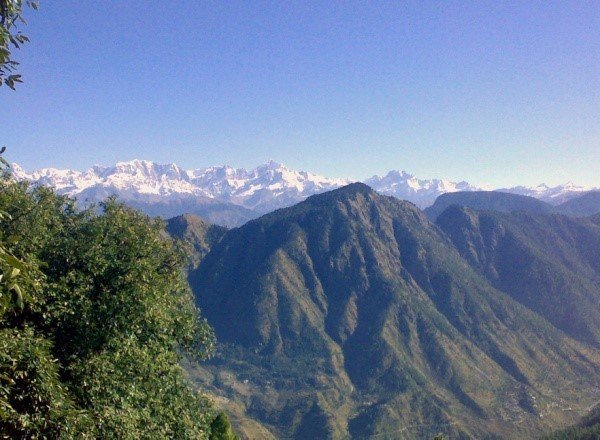
This combination — devotion plus a genuine physical trek — is what sets Nagni Temple apart from many roadside shrines in the district.
Things to Do Around Nagni Temple
In short: A visit typically combines temple darshan with a forest trek, photography, and a quiet village stop near Dunda, rather than a single quick visit.
Temple Darshan
Offer prayers at the main sanctum, following the lead of local devotees regarding customs and timing.
Morning or Evening Visit
An early morning start gives cooler trekking conditions and a calmer temple atmosphere; some devotees prefer an evening visit for the quieter mood around dusk.
Forest Trekking
Walk the trail through oak forest toward the temple and, for those continuing further, toward the Sankruna Dhar area.
Photography
Capture the forest trail, temple surroundings, and Bandarpunch massif views from open sections of the route.
Nature Walks
Even a short walk along the lower trail sections offers exposure to the region’s oak forest ecosystem.
Village Exploration
Spend time in Dunda village near the trailhead, observing everyday Garhwali village life.
Local Food Experience
Try simple local meals or tea-stall snacks in Dunda or Uttarkashi before or after the trek.
Cultural Interaction
Speak with local villagers or trekking guides about the Bailkhila Parvat tradition and the region’s temple customs — with respect and without pressing for information that isn’t freely offered.
Places to Visit Near Nagni Temple
Uttarkashi
The district headquarters, roughly the base for most trips to Nagni Temple, offering wider stay, food and transport options. Best reason to visit: town amenities and access to the Ganga ghats. Suitable for all travelers.
Kashi Vishwanath Temple
A major Shiva temple in Uttarkashi town, one of the most significant religious sites in the district. Best reason to visit: core pilgrimage stop for most Uttarkashi temple circuits. Suitable for devotees and general tourists.
Shakti Temple
Located near Kashi Vishwanath Temple in Uttarkashi, associated with a large trishul (trident) structure. Best reason to visit: combined temple-circuit visit with Kashi Vishwanath. Suitable for devotees and photographers.
Kuteti Devi Temple
A goddess temple in the Uttarkashi region, part of the district’s wider devi worship tradition. Best reason to visit: additional temple stop for a spiritual circuit day. Suitable for devotees.
Gangnani
A halt on the Uttarkashi–Gangotri road, known locally for hot water springs. Best reason to visit: a scenic stop en route further up the valley. Suitable for travelers continuing toward Gangotri or Harsil.
Netala
A small settlement along the Bhagirathi valley route, generally used as a transit point. Best reason to visit: roadside halt and river views. Suitable for travelers passing through.
Bhatwari
A block headquarters town along the Uttarkashi–Gangotri corridor. Best reason to visit: access point for several surrounding villages and treks. Suitable for travelers exploring the wider district.
Harsil
A scenic riverside village further up the Gangotri road, known for apple orchards and deodar forest. Best reason to visit: standout Himalayan scenery. Suitable for leisure travelers and families.
Gangotri
The source region of the Bhagirathi river and a major Char Dham pilgrimage site. Best reason to visit: primary pilgrimage destination of the region. Suitable for pilgrims and general tourists.
Dayara Bugyal
A well-known high-altitude meadow trek in Uttarkashi district. Best reason to visit: relatively accessible alpine trekking experience. Suitable for trekkers of varying experience levels.
Dodital
A high-altitude lake trek associated with local Ganesh mythology, located in Uttarkashi district. Best reason to visit: combines trekking with a notable natural and mythological site. Suitable for experienced trekkers.
For each of these, Kashi of North can help build a combined itinerary and confirm current travel times, since exact distances and road conditions vary by route and season.
Nagni Temple Distance Guide
In short: Nagni Temple is reached via a trailhead near Dunda, itself along the Uttarkashi–Gangotri road corridor; here is an approximate distance overview from major starting points — confirm exact figures with Kashi of North before travelling.
| From | Approx. Distance | Approx. Travel Time |
|---|---|---|
| Uttarkashi | Roughly in the 18 km range to the Sankruna Dhar/Bailkhila area (confirm exact roadhead) | Confirm locally |
| Dehradun | Via the Uttarkashi road corridor | Confirm locally |
| Haridwar | Via the Rishikesh–Uttarkashi road corridor | Confirm locally |
| Rishikesh | Via the Uttarkashi road corridor | Confirm locally |
| Delhi | Via Dehradun/Rishikesh and onward to Uttarkashi | Confirm locally |
| Gangnani | Along the Uttarkashi–Gangotri road | Confirm locally |
| Netala | Along the Uttarkashi–Gangotri road | Confirm locally |
| Bhatwari | Along the Uttarkashi–Gangotri road | Confirm locally |
| Harsil | Further up the Gangotri road corridor | Confirm locally |
| Gangotri | Further up the Gangotri road corridor | Confirm locally |
Road distances in this region are affected by monsoon damage, ongoing road work, and seasonal closures, so travel times shown by mapping apps can differ from actual conditions. Kashi of North tracks current road status and can advise before you set off.
How to Reach Nagni Temple
By Road
From Delhi: Travel via Meerut, Muzaffarnagar, and Roorkee toward Dehradun or Rishikesh, then continue on the Rishikesh–Uttarkashi road, which follows the Bhagirathi and Bhilangana valleys through Chamba, Tehri, and Dharasu before reaching Uttarkashi.
From Dehradun: Follow the Dehradun–Uttarkashi road via Chamba and Tehri, entering the Bhagirathi valley corridor with progressively mountainous scenery.
From Haridwar: Join the Rishikesh–Uttarkashi road, following the same general corridor as from Dehradun, with the route becoming increasingly hilly past Chamba.
From Rishikesh: Take the Rishikesh–Uttarkashi road directly, a scenic mountain drive along the Bhagirathi system that typically takes the better part of a day depending on stops and road conditions.
From Uttarkashi: Head along the Gangotri road toward Dunda, where the trekking trail to Nagni Temple begins; from here it’s a walk rather than a drive to reach the temple itself.
By Train
The nearest railway stations are in the Dehradun/Rishikesh/Haridwar area, from where the onward journey to Uttarkashi and then Dunda is completed by road. There is no rail line into the Uttarkashi hills themselves.
By Air
The nearest airport is Dehradun’s Jolly Grant Airport, from which travelers continue by road via Rishikesh and Uttarkashi to reach the Nagni Temple trailhead near Dunda.
By Taxi
Private taxis are the most practical way to reach the Dunda trailhead, especially given the winding mountain roads and limited public transport frequency in this part of Uttarkashi. Kashi of North arranges taxi bookings from Dehradun, Rishikesh, Haridwar, or directly from Uttarkashi town, with drivers familiar with current road conditions on the Gangotri corridor.
By Bus
State transport and private buses run along the main Rishikesh–Uttarkashi–Gangotri highway and can drop travelers near Dunda; however, exact schedules and frequency change seasonally, so we don’t publish fixed timings here — confirm current bus schedules locally or through Kashi of North before relying on this option.
Best Time to Visit Nagni Temple
In short: The most comfortable window for both temple visits and the trek is broadly March to June and September to November, avoiding the heaviest monsoon weeks and peak winter cold, though timing depends on whether your priority is trekking comfort or a quieter temple visit.
Spring (March–May)
Forest sections along the trail turn green, temperatures are moderate, and trekking conditions are generally favorable. Carry a light jacket for mornings and evenings.
Summer (June–early July)
Lower and mid-elevation sections stay comfortably warm during the day; this is a reasonable trekking window, though afternoon heat on exposed stretches can be tiring. Light, breathable clothing with sun protection is recommended.
Monsoon (Mid-July–September)
Rain significantly affects trail conditions, with slippery forest paths and a higher risk of landslides on approach roads. Trekking during peak monsoon weeks is not advisable; if you must travel, check current road and trail status with Kashi of North first.
Autumn (October–November)
Skies tend to be clearer, offering better views toward the Bandarpunch massif, and trail conditions are generally more stable. This is often considered a strong window for photography and trekking alike.
Winter (December–February)
Temperatures drop significantly, and higher sections of the trail may be affected by cold, frost, or occasional snow. Winter visits require warmer clothing and extra caution on the trail; confirm current conditions before planning a winter trek.
Month-wise Weather Guide
Approximate guidance only — actual conditions vary year to year. Always check a current forecast before travelling.
| Month | Day Temperature | Night Temperature | Rain/Snow | Travel Conditions | Recommended Clothing |
|---|---|---|---|---|---|
| January | Cold | Very cold | Possible snow at higher points | Roads can be affected by cold-weather conditions | Heavy woollens, warm layers |
| February | Cold | Very cold | Possible snow/frost | Trail can be slippery in shaded sections | Heavy woollens, warm layers |
| March | Mild-cool | Cool | Occasional light rain | Generally favorable | Light jacket, layers |
| April | Mild-warm | Cool | Low rainfall | Good trekking conditions | Light jacket, breathable clothing |
| May | Warm | Mild | Low rainfall | Good trekking conditions | Breathable clothing, sun protection |
| June | Warm | Mild | Pre-monsoon showers possible | Generally fine, watch weather updates | Breathable clothing, rain layer |
| July | Warm, humid | Mild | Heavy monsoon rain | Landslide risk, caution advised | Rain gear, quick-dry clothing |
| August | Warm, humid | Mild | Heavy monsoon rain | Landslide risk, caution advised | Rain gear, quick-dry clothing |
| September | Mild-warm | Cool | Reducing rain toward month-end | Improving conditions | Light rain layer, regular clothing |
| October | Mild | Cool | Low rainfall | Good trekking conditions, clear views | Light jacket, layers |
| November | Cool | Cold | Low rainfall | Good trekking conditions | Warm layers, jacket |
| December | Cold | Very cold | Possible early snow | Roads/trail may be affected | Heavy woollens, warm layers |
Nature and Geography
In short: The Nagni Temple trail passes through Himalayan oak forest typical of Uttarkashi’s mid-elevation zones, with views opening toward the Bandarpunch massif and the wider Bhagirathi valley landscape from higher sections of the route.
The forest cover along the trail is dominated by oak, alongside other native Himalayan trees and undergrowth typical of this elevation band in Garhwal. This kind of forest supports a range of birdlife and smaller wildlife, and the changing canopy — from denser lower-elevation forest to more open ridgeline sections — gives the trek visual variety as you climb.
Streams and seasonal water sources are common in this part of the Bhagirathi valley system, and the broader landscape around Bailkhila Parvat contributes to the area’s reputation as a place suited to quiet reflection, consistent with its association with meditation in local tradition. Visitors are encouraged to practice responsible nature tourism: stay on marked trails, avoid disturbing wildlife, and carry out any waste rather than leaving it in the forest.
Local Culture and Village Life
In short: Dunda and the surrounding villages near the Nagni Temple trailhead reflect the everyday rhythms of Garhwali mountain life — agriculture, livestock, close-knit community structures, and religious practice woven into daily routine.
Village houses in this part of Uttarkashi are typically built from local stone and wood, suited to the mountain climate, and set among terraced fields where families grow crops adapted to the altitude and seasonal rainfall. Garhwali, alongside Hindi, is commonly spoken in daily village life, and hospitality toward visitors — especially pilgrims heading to local temples — is a valued local custom.
Festivals, both religious and seasonal, punctuate the yearly routine, often tied to the local devta or devi traditions described earlier. For travelers, spending unhurried time in a village like Dunda before or after the Nagni Temple trek offers a more grounded sense of the region than a fast-paced sightseeing stop.
Food Near Nagni Temple
In short: Expect simple Garhwali food in and around Dunda and Uttarkashi — dishes built around local grains, lentils, and seasonal vegetables — rather than a wide restaurant selection near the temple itself.
Local Garhwali cuisine commonly features mandua (finger millet) preparations, rajma (kidney beans), and seasonal vegetables cooked in a simple, home-style manner. Tea stalls in villages along the route offer a good place to rest with a hot chai, and small local eateries in Uttarkashi town provide a wider range of meal options before or after your temple visit.
Since food availability directly on the trail is limited, carry packed snacks, dry fruits, and sufficient water for the trek itself, and plan your main meals around Dunda or Uttarkashi rather than expecting options along the forest trail.
Accommodation
In short: Most travelers base themselves in Uttarkashi town, which offers the widest choice of hotels and homestays within comfortable driving distance of the Nagni Temple trailhead near Dunda.
Hotels
Uttarkashi town has a range of hotels suited to different budgets, making it a practical base for a Nagni Temple day trip combined with other temple visits in town.
Homestays
Village homestays in and around Dunda or nearby settlements offer a more immersive option for travelers who want to experience local Garhwali hospitality directly.
Guest Houses
Simpler guest house accommodation is available in Uttarkashi and along the Gangotri road corridor for budget-conscious travelers.
Family-Friendly Stays
For families, staying in Uttarkashi town generally offers more consistent facilities than smaller village accommodation closer to the trailhead.
Looking for a place to stay near Nagni Temple or in Uttarkashi? Kashi of North can help you find and book a verified hotel, guest house, or homestay that matches your budget and travel plan.
📞 Call/WhatsApp: 7253079221 ✉️ Email: kashiofnorth@gmail.com 🌐 Website: https://kashiofnorth.com
Suggested Itineraries
Half-Day Temple Visit
Morning departure from Uttarkashi → drive to the Dunda trailhead → trek to Nagni Temple → darshan → return trek → local meal → back to Uttarkashi by afternoon.
One-Day Uttarkashi Temple Circuit
Nagni Temple (morning trek) → return to Uttarkashi town → Kashi Vishwanath Temple → Shakti Temple → Kuteti Devi Temple → evening at the Ganga ghats.
Two-Day Spiritual Uttarkashi Trip
Day 1: Arrive Uttarkashi, visit Kashi Vishwanath and Shakti Temple, evening riverside time. Day 2: Early trek to Nagni Temple near Dunda, return by midday, optional stop at Gangnani on the way back or onward.
Photography Guide
The best photography conditions on the Nagni Temple trail are typically early morning and clear autumn days, with respectful, permission-based photography expected inside the temple premises and around devotees.
Morning light filtering through the oak canopy makes for strong forest photography, while clear days — especially in autumn — offer the best chance of capturing the Bandarpunch massif from higher trail sections. Village photography in Dunda can be rewarding but should always involve asking permission first, particularly when people are the subject.
Photography inside certain areas of the temple, or during specific rituals, may be restricted or considered inappropriate by local devotees — always ask a priest or local guide before photographing the sanctum interior or an ongoing pooja.
Kashi of North can customize any of these itineraries, arrange a driver and guide, and adjust timing based on your fitness level and interests.
Responsible Temple Tourism
In short: Visiting Nagni Temple responsibly means dressing modestly, keeping noise low, avoiding litter, asking before photographing people or rituals, and supporting the local economy — the same baseline respect expected at any active Himalayan shrine.
- Dress modestly and appropriately for a working temple
- Maintain a quiet, respectful tone near the sanctum
- Do not litter on the trail or around the temple grounds
- Respect local customs even if they’re unfamiliar to you
- Always ask before photographing rituals, priests, or devotees
- Avoid disturbing ongoing prayers or ceremonies
- Support local homestays, guides, and food vendors rather than bypassing the local economy
- Stay on marked trails to protect the surrounding forest ecosystem
Practical Travel Information
In short: Facilities directly at Nagni Temple are minimal — plan around Uttarkashi town for ATMs, fuel, and medical needs, and treat the trail itself as a genuinely remote stretch with limited connectivity.
- Mobile Network: Patchy on the forest trail; more reliable in Dunda and Uttarkashi town
- Internet: Limited on the trail; better in Uttarkashi
- ATM: Available in Uttarkashi town; not expected near the trailhead
- Fuel Station: Available in Uttarkashi; fill up before heading toward Dunda
- Medical Facilities: Uttarkashi town has the nearest reliable medical facilities; carry a basic first-aid kit for the trek
- Police Station: Located in Uttarkashi town
- Emergency Preparedness: Inform someone of your trekking plan, carry a charged phone, and avoid trekking alone in poor weather
- Weather Precautions: Check forecasts before setting out, especially during monsoon and winter
- Travel Budget Guidance: Costs vary by transport mode, accommodation choice, and whether you hire a local guide; Kashi of North can provide a current estimate based on your specific plan
Local Experience
Early mornings near Dunda carry a particular kind of quiet — the sound of temple bells occasionally drifting through the hills as the village wakes up, well before the heat of the day sets in. Walking toward the trailhead, the road narrows into forest, and the noise of vehicles fades into birdsong and the rustle of oak leaves underfoot.
Villagers along the lower trail sections are often quietly going about their morning routines — carrying fodder, tending animals, walking to their fields — and a simple greeting is usually met with warmth rather than curiosity. As the trail climbs, conversation naturally quiets down; the steepness demands attention, and the forest itself seems to encourage a kind of unhurried focus.
At the temple, the atmosphere shifts again — the practical effort of the climb giving way to a stiller, more contemplative mood, particularly if you arrive when few other visitors are present. Evening descents, timed well, can offer soft light through the trees and a settling calm that many visitors describe as the most memorable part of the day — not dramatic, simply peaceful.
Planning a Visit to Nagni Temple?
Kashi of North can help you arrange your complete Uttarkashi journey, including:
- Hotel and homestay booking near Uttarkashi and Dunda
- Taxi services from Dehradun, Rishikesh, Haridwar, or within Uttarkashi
- Local guides for the Nagni Temple trek
- Combined Uttarkashi temple tour planning
- Gangotri travel assistance
- Customized Uttarkashi itineraries
🌐 Website: https://kashiofnorth.com 📞 WhatsApp/Call: +91 7253079221 ✉️ Email: kashiofnorth@gmail.com
Frequently Asked Questions
Where is Nagni Temple located? Nagni Temple is located in Uttarkashi district, Uttarakhand, on a forest trail beginning near Dunda village and leading toward the Sankruna Dhar area, associated with Bailkhila Parvat.
What is Nagni Temple dedicated to? The temple is dedicated to Goddess Parvati, consort of Lord Shiva, and is locally known as Nagni Mata Temple.
How far is Nagni Temple from Uttarkashi? The wider Sankruna Dhar/Bailkhila area is roughly in the range of 18 km from Uttarkashi, though the exact trailhead distance can vary; confirm with Kashi of North before travelling.
Is Nagni Temple reachable by road? No, the temple is reached by a trekking trail from a roadhead near Dunda village; the final stretch must be covered on foot.
How difficult is the Nagni Temple trek? It is considered a moderate-to-hard trek due to steep, continuous ascent sections, suited to trekkers with reasonable fitness rather than complete beginners.
How long is the trek to Nagni Temple? The temple trail is commonly described as around 6 km one way (roughly 12 km round trip), while routes extending further toward Sankruna Dhar Devi can be considerably longer; exact distance varies by route.
Who is Balkhil, mentioned in connection with this area? According to local tradition, sage Balkhil is believed to have meditated in the Bailkhila Parvat area; this is a matter of local belief and oral tradition rather than documented historical record.
Is there an entry fee for Nagni Temple? No verified entry fee is documented; treat it as a working village temple, and confirm any local customs or contributions on arrival.
What are the temple’s opening hours? There is no widely published fixed schedule; visits are generally planned during daylight hours, and it’s best to confirm timing locally.
Is photography allowed at Nagni Temple? General landscape photography is generally acceptable, but always ask permission before photographing the sanctum interior, rituals, priests, or devotees.
Is Nagni Temple suitable for family visits? The trek’s steep sections make it more suitable for reasonably fit family members; it may not be ideal for young children, elderly visitors, or those with mobility limitations.
Where can I park near Nagni Temple? Parking is limited near the trailhead/roadhead; confirm current access and parking options with a local driver or Kashi of North before arrival.
Are there hotels near Nagni Temple? Most travelers base themselves in Uttarkashi town, which has a wider range of hotels than the immediate trailhead area near Dunda.
Are homestays available near Nagni Temple? Yes, village homestays are available in and around Dunda and nearby settlements, offering a more local alternative to town hotels.
What food is available near Nagni Temple? Food directly on the trail is limited; plan meals around Dunda or Uttarkashi, and carry packed snacks and water for the trek itself.
Is mobile network available at Nagni Temple? Network coverage is patchy on the forest trail and generally improves near Dunda and Uttarkashi town.
Is internet available near Nagni Temple? Internet connectivity is limited on the trail itself; better and more reliable connectivity is available in Uttarkashi town.
What other temples are near Nagni Temple? Kashi Vishwanath Temple, Shakti Temple, and Kuteti Devi Temple in Uttarkashi town are commonly combined with a Nagni Temple visit as part of a wider temple circuit.
Can I combine Nagni Temple with a Gangotri trip? Yes, many travelers combine a Nagni Temple visit near Dunda with onward travel to Gangnani, Harsil, and Gangotri along the same road corridor.
Does Kashi of North offer taxi services to Nagni Temple? Yes, Kashi of North can arrange taxis from Dehradun, Rishikesh, Haridwar, or Uttarkashi to the Dunda trailhead for your Nagni Temple visit.
Is it safe to trek to Nagni Temple alone? Solo trekking is possible for experienced trekkers, but hiring a local guide is recommended given variable trail conditions, limited signage, and patchy mobile coverage.
What should I carry for the Nagni Temple trek? Good walking shoes, sufficient water, weather-appropriate clothing, snacks, a basic first-aid kit, and a fully charged phone are recommended.
What is the best season for the Nagni Temple trek? Spring through early summer and post-monsoon autumn (roughly March–June and September–November) generally offer the most favorable trekking conditions.
Can I visit Nagni Temple during monsoon? It is not advisable due to slippery trail conditions and landslide risk on approach roads; confirm current conditions before attempting a monsoon-season visit.
Is snowfall common near Nagni Temple in winter? Higher sections of the trail can be affected by cold, frost, or occasional snow in winter; confirm current trail conditions before a winter trek.
Are there festivals celebrated at Nagni Temple? Local religious gatherings and increased devotee visits are common during Navratri and other village festival periods, though specific dates vary yearly and are set by local tradition.
What is the significance of Bailkhila Parvat? Bailkhila Parvat is the mountain associated with Sankruna Dhar and Nagni Temple, traditionally linked to the sage Balkhil’s meditation according to local belief.
Can beginners attempt the Nagni Temple trek? The trail’s steep, continuous ascent makes it better suited to trekkers with some prior hiking experience rather than absolute beginners.
Is there an ATM near Nagni Temple? No, the nearest reliable ATM access is in Uttarkashi town; carry sufficient cash for your trip.
What is the nearest airport to Nagni Temple? Dehradun’s Jolly Grant Airport is the nearest airport, with onward road travel required to reach Uttarkashi and then Dunda.
What is the nearest railway station to Nagni Temple? The nearest railway stations are in the Dehradun/Rishikesh/Haridwar area, followed by a road journey to Uttarkashi and Dunda.
Can Kashi of North arrange a guide for the Nagni Temple trek? Yes, Kashi of North can arrange an experienced local guide, particularly recommended for first-time visitors or those trekking during uncertain weather.
How do I plan a multi-day Uttarkashi trip including Nagni Temple? Kashi of North can build a customized multi-day itinerary combining Nagni Temple with other Uttarkashi temples, Gangotri, and nearby treks such as Dayara Bugyal or Dodital.
Is the Nagni Temple trail well marked? The trail is generally well-worn and used by locals and pilgrims, but signage is limited in places, making a local guide useful for first-time visitors.
What wildlife might I see on the Nagni Temple trail? The oak forest along the trail supports various birds and smaller wildlife typical of Uttarkashi’s mid-elevation forest zones; sightings vary by season and time of day.
Can I see the Bandarpunch massif from Nagni Temple? On clear days, higher sections of the trail offer views toward the Bandarpunch massif; visibility depends heavily on weather and season.
How do I book a trip to Nagni Temple through Kashi of North? You can contact Kashi of North directly via WhatsApp/call at 7253079221 or email at kashiofnorth@gmail.com, or visit https://kashiofnorth.com to plan your Nagni Temple visit and wider Uttarkashi itinerary.
Conclusion
Nagni Temple represents a quieter, more physically engaging side of Uttarkashi’s spiritual landscape — a shrine reached not by road but by a genuine forest climb through oak woodland, set within a mountain, Bailkhila Parvat, that local tradition connects to the meditation of sage Balkhil. For devotees, it offers a place of prayer to Goddess Parvati away from the district’s busier temple circuits. For trekkers and photographers, it offers real elevation gain, forest scenery, and views toward the Bandarpunch massif on clear days.
Whether you’re planning a focused half-day trek and temple visit, or want to combine Nagni Temple with Uttarkashi’s other shrines, Gangotri, or nearby treks like Dayara Bugyal and Dodital, the trip works best with local knowledge of current trail, weather, and road conditions.
Planning your Nagni Temple visit? Kashi of North can arrange your hotel or homestay, local guide, taxi, and full Uttarkashi itinerary.
🌐 Website: https://kashiofnorth.com 📞 Call/WhatsApp: 7253079221 ✉️ Email: kashiofnorth@gmail.com