
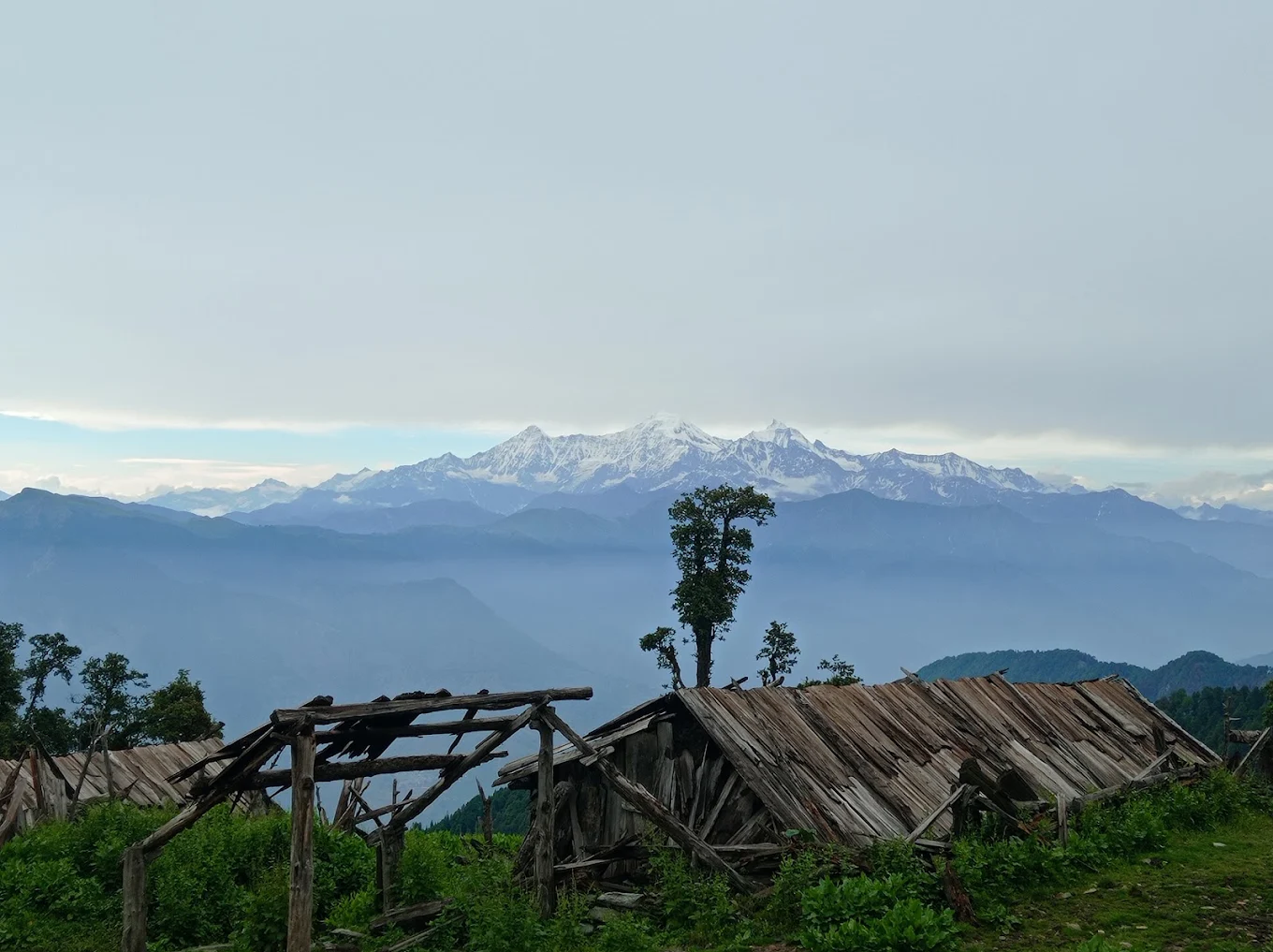
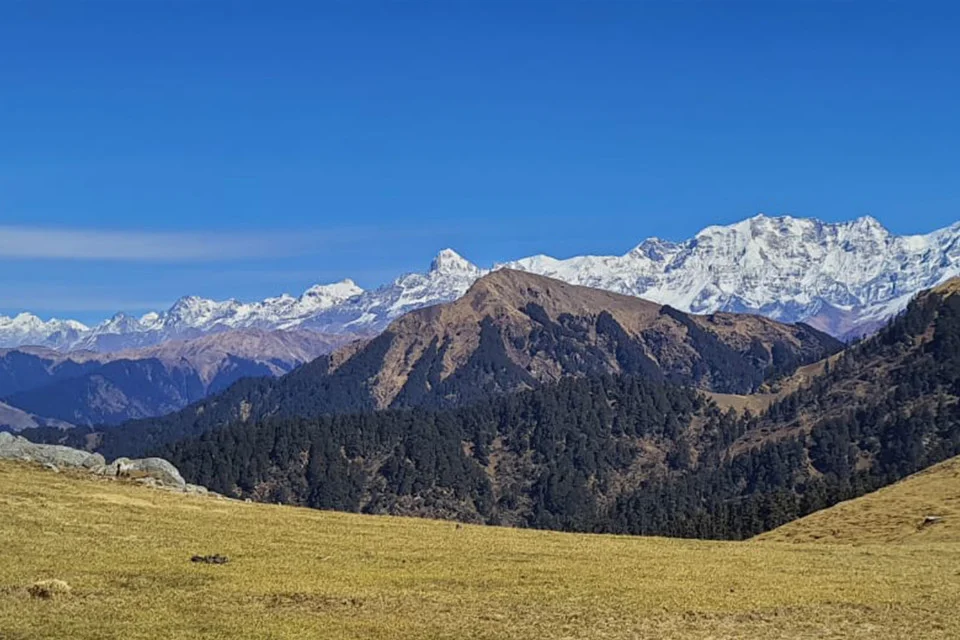
Syawa Village is a small Himalayan Village in the Bhatwari block of Uttarkashi district, Uttarakhand, located about 35 km from Uttarkashi town. With a population of roughly 475 people across around 102 households, it is best known beyond its own boundaries as the gateway to Jaurai Bugyal — a high-altitude meadow that comes alive every year with the Selku Mela, a distinctive local festival built around a milk-and-curd version of Holi. For travelers searching for Syawa Village Uttarkashi, this combination of everyday Garhwali village life and a genuinely unique annual festival makes it one of the more culturally interesting villages in the district.
This guide covers what is reliably documented about Syawa — its administrative details, its connection to Jaurai Bugyal, and the Selku Mela — alongside honest, practical travel planning information. Where specific figures such as trail distance, elevation, or road conditions aren’t independently verified, we say so clearly. Kashi of North, a local Uttarkashi travel resource, can help you plan a visit to Syawa Village and Jaurai Bugyal, including travel around the Selku Mela dates.
Quick Facts About Syawa Village
Syawa is a village of about 475 people in Bhatwari block, Uttarkashi district, roughly 35 km from Uttarkashi town, known chiefly as the base for Jaurai Bugyal and the annual Selku Mela.
| Information | Details |
|---|---|
| Village | Syawa Village |
| District | Uttarkashi |
| State | Uttarakhand |
| Country | India |
| Administrative Block | Bhatwari |
| Tehsil | Bhatwari |
| Gram Panchayat | Syawa |
| Location | Bhatwari region, Uttarkashi district, Garhwal Himalayas |
| Distance from Uttarkashi | Approximately 35 km |
| Geographical Area | 190.11 hectares |
| Population | Approximately 475 |
| Households | Approximately 102 |
| PIN Code | 249194 |
| Nearest Town | Uttarkashi |
| Best Time to Visit | Late August (Selku Mela) and the general spring–autumn window |
| Language | Garhwali, Hindi |
| Main Occupation | Traditional mountain agriculture and allied rural livelihoods |
Where Is Syawa Village?
Syawa Village sits in the Bhatwari block and tehsil of Uttarkashi district, Uttarakhand, roughly 35 km from Uttarkashi town, within the Garhwal Himalayas’ mountainous, forested landscape.
The village is part of the same general Bhatwari region as several other Uttarkashi settlements, characterized by forested mountain slopes, deep valleys, seasonal streams, agricultural terraces, and access to high-altitude meadows such as Jaurai Bugyal. Uttarkashi town remains the nearest urban center and the practical base for most travelers heading to Syawa, whether for a village visit or to attend the Selku Mela.
Syawa Village Uttarkashi Location
Where is Syawa Village in Uttarkashi?
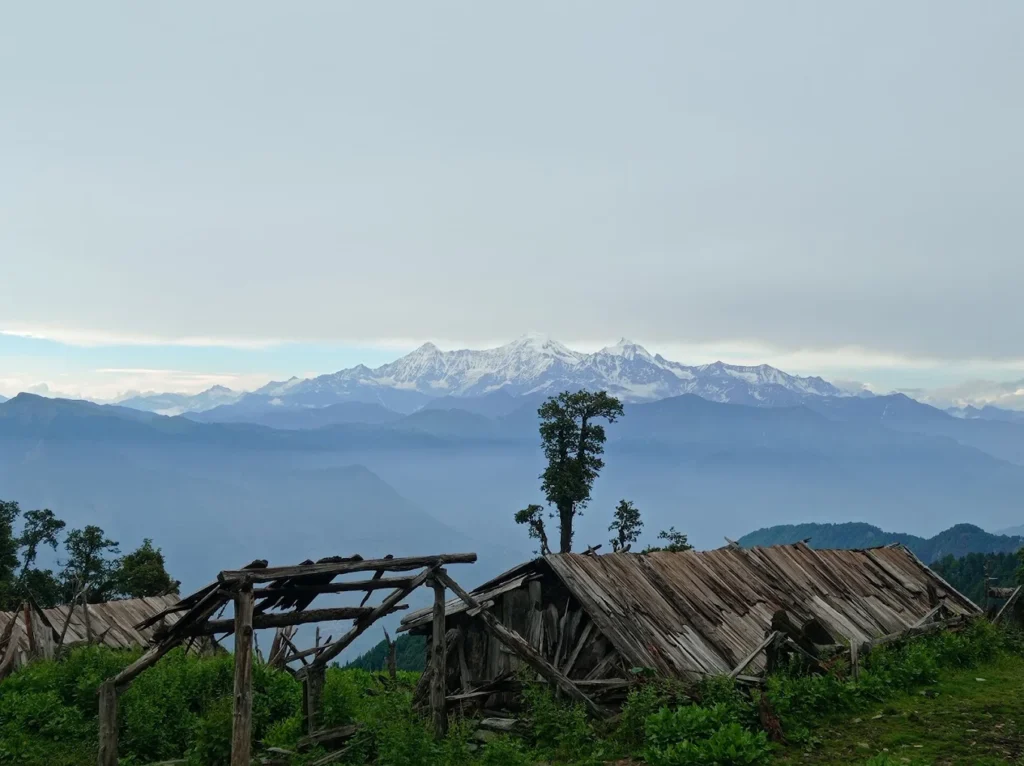
Syawa Village is located in the Bhatwari block and tehsil of Uttarkashi district, Uttarakhand, approximately 35 km from Uttarkashi town. It is administered through its own Gram Panchayat and sits within the mountainous Bhatwari region known for its access to Jaurai Bugyal.
For travelers unfamiliar with the area, think of Uttarkashi town as the main hub and Syawa as one of the villages further into the Bhatwari hills — reachable by road, and functioning as the starting point for the walk up to Jaurai Bugyal.
Administrative Location
Syawa Village → Syawa Gram Panchayat → Bhatwari Block → Bhatwari Tehsil → Uttarkashi District → Uttarakhand → India
Syawa has its own Gram Panchayat, distinct from some neighboring villages that share panchayats with others — a detail that reflects its recognized status as an independent administrative unit within Bhatwari block.
History of Syawa Village
Detailed written history specific to Syawa Village is limited in publicly available records; what is documented relates mainly to its administrative status and its long-standing connection to Jaurai Bugyal and the Selku Mela, while deeper settlement history is preserved through oral tradition, as is typical for small Himalayan villages.
Beyond its administrative classification under Bhatwari block and its own Gram Panchayat, formal historical documentation about Syawa’s founding or early settlement is not widely published. This is a common pattern across Uttarkashi’s smaller villages, where community history is passed down through oral tradition, family memory, and continuing local customs rather than written archives.
One notable exception is the Selku Mela itself, which is locally understood to have been celebrated in its present organized form since around 2007–08 — a relatively recent institutionalization of what is likely a much older local tradition of gathering at Jaurai Bugyal. Travelers interested in the deeper history of Syawa and the mela are encouraged to speak with local residents and organizers, who remain the most reliable source of this living history.
Culture and Traditions
Syawa reflects the broader Garhwali cultural traditions of the Bhatwari region — Garhwali and Hindi in daily use, and a cultural life closely tied to the mountain calendar, most visibly expressed through the Selku Mela at Jaurai Bugyal.
Village life in Syawa follows the seasonal and community rhythms common across rural Uttarkashi. Garhwali is commonly spoken alongside Hindi, and folk music, dance, and communal celebration remain part of weddings, festivals, and gatherings, consistent with the wider Garhwal Himalayan cultural tradition.
What sets Syawa apart culturally is the prominence of the Selku Mela — a festival that draws neighboring villages together in a shared celebration, making Syawa’s cultural identity closely intertwined with this specific high-meadow tradition rather than village life alone.
Religious Traditions
Specific temple names within Syawa Village itself are not independently documented in available records; the village’s most prominent religious and cultural expression is the Selku Mela at Jaurai Bugyal, which combines devotional elements with community celebration.
Uttarkashi district as a whole maintains strong devta (local deity) and devi (goddess) worship traditions, and Syawa’s participation in this broader Devbhoomi (“Land of the Gods”) identity is expressed most visibly through the Selku Mela — a gathering that blends faith, culture, and seasonal celebration at the high meadow above the village. For details on any specific village temple or deity tradition within Syawa itself, it’s best to ask local residents directly during your visit rather than relying on unverified assumptions.
Jaurai Bugyal
Jaurai Bugyal is a high-altitude Himalayan meadow accessed from Syawa Village, known for open mountain landscapes, seasonal wildflowers, and panoramic views, and it holds particular cultural importance as the venue for the annual Selku Mela.
During the flowering season, Jaurai Bugyal transforms with color as seasonal wildflowers bloom across the open meadow, framed by surrounding peaks and fresh mountain air. For nature lovers, photographers, and trekkers, it offers the kind of high-altitude alpine scenery associated with Uttarkashi’s better-known bugyals, while remaining considerably less visited than more commercialized meadow destinations in the district.
Beyond its natural appeal, Jaurai Bugyal’s cultural significance comes from being the traditional venue of the Selku Mela, which ties the meadow directly to Syawa Village’s community identity rather than treating it as a standalone natural attraction.
Selku Mela at Jaurai Bugyal
The Selku Mela is a distinctive local festival held at Jaurai Bugyal every year on 27–28 August, celebrated in its present organized form since around 2007–08, and known for its unique “Holi” using milk, curd, and buttermilk, alongside a Radha-Krishna Jhanki and the traditional Matki Phod ceremony.
Every year on 27–28 August, Syawa Village comes alive as the Selku Mela unfolds at Jaurai Bugyal, bringing together residents of Syawa and neighboring villages in a shared celebration of community and culture. Rather than the colored powders and water associated with conventional Holi celebrations elsewhere in India, the Selku Mela centers on a distinctive form of Holi played with milk, curd, and buttermilk — a tradition rooted in the pastoral and agricultural character of this high-meadow community.
The festival’s highlights include a Radha-Krishna Jhanki (a devotional tableau depicting the deities) and the traditional Matki Phod ceremony, echoing the wider Krishna Janmashtami-season traditions found across India but expressed here in a distinctly local, high-Himalayan form. Together, these elements make the Selku Mela a genuine celebration of faith, culture, and the community spirit of Devbhoomi Uttarakhand, set against the open landscape of Jaurai Bugyal.
For travelers, attending the Selku Mela offers a rare opportunity to witness an authentic Himalayan festival in its natural meadow setting rather than a staged cultural performance — though as with any community celebration, visitors should attend respectfully, as guests rather than spectators.
Plan Your Selku Mela Visit
Jaurai Bugyal, Syawa Village, Uttarkashi — 27–28 August, every year
If you’d like to experience the Selku Mela in person, Kashi of North can help arrange your travel, local transport to Syawa Village, and accommodation in Uttarkashi around the festival dates.
📞 Call/WhatsApp: 7253079221 ✉️ Email: kashiofnorth@gmail.com 🌐 Book via Kashi of North: https://kashiofnorth.com
Geography of Syawa Village
Syawa covers approximately 190.11 hectares in the mountainous Bhatwari region of Uttarkashi district, characterized by forested slopes, terraced agricultural land, and access to the high-altitude Jaurai Bugyal meadow above the village.
The village’s terrain reflects the broader Garhwal Himalayan landscape — sloping ground shaped into terraces for farming, forest cover bordering agricultural land, and streams typical of the Bhatwari region supporting both cultivation and household needs. Syawa’s geography is distinguished by its direct access to Jaurai Bugyal, placing it within the transition zone between village agricultural land and higher alpine meadow terrain.
Climate and Weather
Syawa experiences a typical mid-elevation Garhwal Himalayan climate — pleasant spring and autumn conditions, warm but manageable summers, a monsoon season with real travel risk, and cold winters — with the added factor that Jaurai Bugyal at higher elevation will be notably cooler and more weather-sensitive than the village itself.
Spring
Mild temperatures, greening vegetation, and increasing agricultural activity, with generally good mountain visibility.
Summer
Warm, comfortable days in the village with cooler mornings and evenings; conditions at Jaurai Bugyal remain cooler and can change quickly.
Monsoon
Significant rainfall affects both the village approach roads and any trail up to Jaurai Bugyal, with a real risk of slippery paths and landslide-related road disruption. The Selku Mela in late August falls near the tail end of peak monsoon, so travelers attending should watch weather and road conditions closely.
Autumn
Clearer skies typically follow the monsoon, offering strong mountain visibility and generally comfortable travel conditions — a good window for those visiting outside the festival dates.
Winter
Cold conditions with frost likely at village elevation, and colder still at Jaurai Bugyal, where snow is more plausible given the meadow’s higher altitude; exact winter conditions aren’t independently verified here, so confirm locally before a cold-season visit.
Best Time to Visit Syawa Village
What is the best time to visit Syawa Village?
Late August is the standout time to visit for the Selku Mela at Jaurai Bugyal, while spring through early summer and post-monsoon autumn offer the most comfortable general travel and photography conditions outside the festival window.
| Season | Weather | Landscape | Travel Conditions | Best For |
|---|---|---|---|---|
| Spring (Mar–May) | Mild, pleasant | Greening fields, active farming | Generally good | General village visits, agriculture |
| Summer (Jun–early Jul) | Warm days, cool evenings | Full green cover | Good, watch pre-monsoon showers | General visits |
| Late Monsoon / Selku Mela (Late Aug) | Rain likely, tapering | Lush meadows, wildflowers at Jaurai Bugyal | Variable; confirm road conditions | Selku Mela festival experience |
| Autumn (Oct–Nov) | Clear, cool | Best mountain visibility | Generally good | Photography, general travel |
| Winter (Dec–Feb) | Cold, frosty | Bare fields, possible snow at Jaurai Bugyal | Can be affected by cold-weather road conditions | Travelers comfortable with cold-season travel |
How to Reach Syawa Village
From Uttarkashi
Syawa is approximately 35 km from Uttarkashi town via the Bhatwari-block road network. A private taxi is the most practical option; exact travel time depends on current road conditions, so confirm with a local driver or Kashi of North before setting out — particularly around the Selku Mela dates, when local traffic may increase.
From Dehradun
Travel via the Dehradun–Uttarkashi road through Chamba and Tehri, entering the Bhagirathi valley corridor, then continue from Uttarkashi town to Syawa.
From Rishikesh
Follow the Rishikesh–Uttarkashi road along the Bhagirathi/Bhilangana valley system, then complete the final leg from Uttarkashi to Syawa by local taxi.
From Haridwar
Join the Haridwar–Rishikesh–Uttarkashi road corridor, following the same general route as from Rishikesh, before continuing to Syawa from Uttarkashi.
From Delhi
The practical route is Delhi → Haridwar/Rishikesh → Uttarkashi → Syawa Village, typically requiring a full day of travel with an overnight stay in or around Uttarkashi before the onward trip to Syawa.
By Road
Options include state buses and shared taxis to Uttarkashi town, followed by a private taxi for the final stretch to Syawa; self-drive and motorcycle travel are also feasible for travelers comfortable with mountain roads. Road conditions in this region can change with rain, landslides, snow, falling rocks, or construction — check current status before departure, especially during monsoon.
By Train
Uttarkashi does not have a major railway station. The nearest practical railheads are in the Dehradun/Rishikesh/Haridwar area, from where travelers continue by road to Uttarkashi and onward to Syawa.
By Air
The nearest practical airport is Dehradun’s Jolly Grant Airport, followed by a road journey via Rishikesh to Uttarkashi and then the final leg to Syawa Village.
Syawa Village Distance Guide
Only the Uttarkashi–Syawa distance (approximately 35 km) is independently documented. Remaining figures depend on route and road conditions — Kashi of North can confirm current distances and travel times before you finalize your plan.
What Makes Syawa Village Special?
Syawa’s distinguishing feature is its direct connection to Jaurai Bugyal and its role as host to the Selku Mela — a genuinely distinctive local festival — making it one of the more culturally notable villages in Bhatwari block rather than simply a residential settlement.
Unlike many small Uttarkashi villages that are primarily agricultural and residential, Syawa has a clear identity tied to a specific place (Jaurai Bugyal) and a specific annual event (the Selku Mela) that draws participation from neighboring communities. This combination of everyday Garhwali rural life with a distinctive, dated cultural celebration gives Syawa a stronger reason for a dedicated visit than many comparable villages in the region.
Things to Do in and Around Syawa Village
- Attend the Selku Mela at Jaurai Bugyal on 27–28 August, if your visit aligns with the festival dates
- Trek or walk toward Jaurai Bugyal to experience the high meadow landscape
- Village walks through Syawa’s paths, past traditional homes and terraced fields
- Photography of the meadow, wildflowers (in season), and village architecture
- Agriculture observation, seeing terraced fields worked according to the season
- Local food experience, where household hospitality allows
- Cultural interaction with residents, especially meaningful around festival time
- Bird watching in the forest and meadow-edge habitat typical of the region
- Sunrise and sunset photography from open points around the village and meadow
Village Walk Experience
Walking through Syawa means following paths between traditional Garhwali homes, with terraced fields stepping down the slopes around the settlement — wheat, maize, and other hill crops worked according to season. As the path rises toward Jaurai Bugyal, farmland gives way gradually to forest and then open meadow, a transition that gives Syawa a distinct sense of place compared to villages without this kind of high-altitude access.
Mornings in the village bring the usual rhythm of rural Garhwal — livestock let out, fields checked, water collected — while the approach to Jaurai Bugyal is best walked in the cooler morning hours, especially if you’re combining a village visit with time at the meadow. Around the Selku Mela dates, the atmosphere shifts noticeably, with visible preparation and a sense of anticipation building toward the festival itself.
Visitors should walk at a respectful pace, greet residents naturally, and avoid entering private farmland without invitation — treating the village as a living community first, and a scenic route to the meadow second.
Local Food
Traditional Garhwali food — built around local grains, pulses, and seasonal vegetables — is what travelers can generally expect in and around Syawa, with actual availability depending on household, season, and local hospitality rather than a fixed menu.
Dishes commonly associated with this part of Uttarkashi include mandua roti (finger millet flatbread), jhangora (barnyard millet), phaanu and chainsoo (lentil-based preparations), gahat dal (horse gram lentils), bhatt (black soybean), local rajma, seasonal vegetables, Himalayan herbs, local chutneys, and regional tea. Since Syawa does not have documented commercial restaurants, food experiences here typically depend on homestay or local hospitality arrangements — worth confirming in advance, particularly around the Selku Mela when local households may be especially busy.
Rural Lifestyle
Daily life in Syawa centers on agriculture, livestock, and household routines shaped by the seasonal calendar, with community cooperation especially visible in the lead-up to and during the Selku Mela each August.
Agriculture and livestock rearing form the practical backbone of household life in Syawa, consistent with much of rural Bhatwari block, alongside the broader pattern of youth migration toward towns and cities common across rural Uttarakhand. What distinguishes Syawa’s community rhythm is the added seasonal focus on organizing and hosting the Selku Mela — a collective effort that brings neighboring villages together and reflects the strength of local community bonds beyond day-to-day farming life.
Agriculture
Farming around Syawa follows the terraced-field model typical of Bhatwari block, with crops suited to the mountain’s seasonal calendar grown on slopes carved into terraces.
Terraced cultivation allows farming to continue on Syawa’s sloping terrain, a technique common throughout Himalayan villages where flat land is scarce. Staple grains and pulses typical of the wider Garhwal region are grown according to the seasonal calendar, with farming closely tied not just to household economy but also to the community’s broader seasonal rhythm — including preparations around the Selku Mela period in late August.
Flora and Fauna
The forested slopes and high meadow around Syawa and Jaurai Bugyal support vegetation and wildlife typical of the Bhatwari region’s mid-to-high elevation zones, including seasonal alpine wildflowers at the bugyal itself.
Mixed forest at village elevation likely includes oak, pine, and rhododendron typical of this part of Uttarkashi, transitioning to open meadow vegetation and seasonal wildflowers at Jaurai Bugyal’s higher altitude. Birdlife and other hill wildlife are consistent with the wider region, though sightings should never be treated as guaranteed and depend on season, time of day, and simple chance.
Nearby Places to Visit
Uttarkashi
The district headquarters, about 35 km away, is the natural base for visiting Syawa and offers the fullest range of stay, food, and transport options. ( readmore… Uttarkashi Travel Guide: Everything You Need to Know Before You Go)
Kashi Vishwanath Temple
A major Shiva temple in Uttarkashi town, one of the most significant pilgrimage sites in the district. (read more… Kashi Vishwanath Temple Uttarkashi: The Spiritual Heart of the Kashi of the North)
Shakti Temple
Located near Kashi Vishwanath Temple, known for a large trishul (trident) structure.
Kuteti Devi Temple
A goddess temple within the Uttarkashi region, part of the district’s broader devi worship tradition. (readmore.. Kuteti Devi Temple Uttarkashi: History, Significance & Travel Guide)
Bhatwari
The block headquarters town that Syawa administratively belongs to, along the Uttarkashi–Gangotri corridor.(read more.. Bhatwari Village Travel Guide: The Town That Keeps the Valley Moving)
Gangnani
A halt along the Uttarkashi–Gangotri road, known locally for hot water springs.(read more… Nachiketa Tal: Complete Guide to Uttarkashi’s Sacred Forest Lake)
Netala
A small settlement along the Bhagirathi valley route, generally used as a transit point.( read more… Netala, Uttarkashi — A Complete Travel Guide to This Bhagirathi Valley Village)
Dayara Bugyal
Another well-known high-altitude meadow trek in Uttarkashi district, offering a comparison point to Jaurai Bugyal.(read more… Dayara Bugyal Trek — Complete Guide to Uttarakhand’s Finest Alpine Meadow)
Harsil
A riverside village further up the Gangotri road, known for apple orchards and deodar forest.(read more… Harsil Valley Travel Guide: The Crown of Uttarkashi)
Gangotri
The source region of the Bhagirathi river and a major Char Dham pilgrimage site. (read more … Gangotri Temple, Glacier, and the Source of the Ganga)
Exact distances and travel times from Syawa to each of these vary by route; Kashi of North can confirm current figures and help build a combined itinerary.
Syawa Village + Uttarkashi Itineraries
One-Day Trip
Morning drive to Syawa Village → walk toward Jaurai Bugyal → return to the village for a local meal → drive back to Uttarkashi, with a stop at the town’s main temples.
Two-Day Trip
Day 1: Arrive Uttarkashi, settle in, visit town temples. Day 2: Full day in Syawa Village and Jaurai Bugyal, returning to Uttarkashi in the evening.
Three-Day Trip
Day 1: Uttarkashi town and temples. Day 2: Syawa Village and Jaurai Bugyal. Day 3: Onward day trip toward Harsil, Dayara Bugyal, or another nearby Uttarkashi destination.
Selku Mela Festival Itinerary
Plan arrival in Uttarkashi a day before 27 August, travel to Syawa Village on the morning of the 27th, attend the Selku Mela at Jaurai Bugyal across the 27–28 August dates, and return to Uttarkashi afterward. Kashi of North can help build this itinerary around confirmed local logistics.
Accommodation Near Syawa Village
Homestays
Village homestay options in or near Syawa aren’t confirmed for this guide; availability may exist through local contacts, especially around the Selku Mela, so it’s worth checking current options in advance.
Guest Houses
Simple guest house accommodation is more reliably available in Uttarkashi town and along the main Gangotri road corridor.
Hotels in Uttarkashi
Uttarkashi offers a range of hotels across different budgets, making it the most practical base for visiting Syawa Village and Jaurai Bugyal.
Looking for a stay near Syawa Village or want to plan your Selku Mela trip? Kashi of North can help you find suitable hotels, homestays, and local travel arrangements for your visit.
📞 Call/WhatsApp: 7253079221 ✉️ Email: kashiofnorth@gmail.com
Taxi and Local Transport
Private taxis are the most reliable way to travel between Uttarkashi town and Syawa Village, particularly given the limited scale of shared local transport in this part of Bhatwari block. Last-mile connectivity to smaller villages can be limited, and demand may increase around the Selku Mela dates, so arranging transport in advance is strongly recommended. Kashi of North can arrange taxi bookings from Uttarkashi, Dehradun, Rishikesh, or Haridwar for your full journey to and from Syawa.
Mobile Network and Internet
Mobile network and internet availability in Syawa are not independently verified for this guide, and coverage in small Bhatwari-block villages commonly varies by location and carrier due to mountainous terrain — connectivity is likely to be even more limited at Jaurai Bugyal itself. Download offline maps in advance, keep important information saved offline, and confirm current network conditions locally on arrival.
ATMs, Fuel and Medical Facilities
No ATM, fuel station, or hospital facilities are documented directly in Syawa Village. Uttarkashi town, about 35 km away, is the nearest practical center for ATMs, petrol pumps, pharmacies, medical care, and police assistance. Plan to handle cash withdrawal, fueling, and any medical needs in Uttarkashi before heading to Syawa, particularly if travelling for the Selku Mela when local facilities may be busier than usual.
Safety Tips
- Check weather conditions before travelling, especially given the late-August festival timing near the tail end of monsoon
- Avoid driving unfamiliar mountain roads after dark
- Carry sufficient cash, since digital payment options may be limited
- Download offline maps in advance
- Inform someone of your travel plan and expected return
- Respect private property and farmland while walking through the village
- Do not enter forested areas without local guidance
- Follow local advice regarding road conditions during monsoon
- Carry basic emergency supplies, including a first-aid kit
- If attending the Selku Mela, plan for larger crowds and confirm transport and stay well in advance
Responsible Village Tourism
Respect Local Culture: Approach the Selku Mela and everyday village life as a living community tradition, not a performance staged for visitors.
Ask Before Photographing: Always ask permission before photographing residents, children, private homes, or festival rituals.
Avoid Plastic: Carry reusable bottles and bags, especially important at Jaurai Bugyal’s fragile meadow ecosystem.
Support Local Businesses: Choose local homestays, guides, and food where genuinely available.
Do Not Disturb Wildlife: Observe from a distance and avoid interfering with animals or habitats.
Respect Festival Customs: Participate in the Selku Mela respectfully, following local guidance on customs like the milk-and-curd Holi and Matki Phod ceremony.
Avoid Loud Music: Keep noise levels low outside of the festival’s own celebrations.
Protect Water Sources: Do not pollute or waste local streams and water supplies.
Do Not Litter: Carry out all waste you bring in, particularly at the meadow.
Leave No Trace: Aim to leave the village and Jaurai Bugyal exactly as you found them.
Photography Guide
Syawa and Jaurai Bugyal offer strong photographic opportunities — terraced village fields, traditional architecture, open meadow landscapes, and seasonal wildflowers, with sunrise and sunset generally the most rewarding light. During the Selku Mela, the milk-and-curd Holi, the Radha-Krishna Jhanki, and the Matki Phod ceremony offer genuinely distinctive festival photography, unlike anything found at more conventional Himalayan celebrations.
Always ask permission before photographing residents, children, or specific ritual moments during the festival — a respectful request goes a long way, and festival organizers can often guide you on where photography is welcome.
Who Should Visit Syawa Village?
| Traveler | Suitability | Why |
|---|---|---|
| Families | Good, especially during Selku Mela | Festival offers an engaging, family-friendly cultural experience |
| Couples | Good | Quiet village setting combined with scenic meadow views |
| Backpackers | Good | Low-cost, authentic rural and festival experience |
| Solo Travelers | Good, with normal precautions | Manageable distance from Uttarkashi with a strong cultural payoff |
| Photographers | Very good | Meadow landscapes and a genuinely unique festival |
| Nature Lovers | Very good | Direct access to Jaurai Bugyal’s alpine meadow |
| Pilgrims | Good, especially at festival time | Religious and devotional elements woven into the Selku Mela |
| Culture Travelers | Excellent | The Selku Mela is a rare, distinctive local tradition |
| Adventure Travelers | Moderate | Meadow access appeals more than technical trekking difficulty |
Who May Not Enjoy Syawa Village?
Syawa may not suit travelers expecting luxury resorts, nightlife, shopping, or extensive restaurant choices, and outside the Selku Mela window, it functions primarily as a quiet agricultural village rather than a bustling destination. Visitors who need constant mobile connectivity or highly developed tourist infrastructure should plan accordingly and set expectations around a genuinely rural experience.
Budget Guide
Costs for visiting Syawa depend mainly on transport, accommodation base (typically Uttarkashi town), and whether you’re travelling during the Selku Mela when demand may be higher; no fixed pricing is published here, and Kashi of North can provide a current estimate based on your specific plan.
| Cost Category | What It Covers | Notes |
|---|---|---|
| Transportation | Taxi/bus to Uttarkashi, local taxi to Syawa | Book ahead around Selku Mela dates |
| Accommodation | Hotel/guest house in Uttarkashi | Confirm current rates and availability locally |
| Food | Meals in Uttarkashi or arranged local hospitality | Depends on venue and arrangement |
| Local Guide | Optional guide for village or meadow visit | Recommended for first-time visitors |
| Taxi/Local Transport | Return trips between Uttarkashi and Syawa | Arrange in advance, especially at festival time |
| Activities | Photography, village walks, festival attendance | Largely free; guide fees where applicable |
Packing List
| Item | Why You Need It |
|---|---|
| Comfortable shoes | Village walks and the approach to Jaurai Bugyal |
| Warm layer | Cool mountain evenings, especially at the meadow |
| Rain jacket | Late-August monsoon-tail conditions during Selku Mela |
| Water bottle | Reduce plastic waste |
| Power bank | Limited charging options in the village |
| Cash | Limited digital payment availability |
| First-aid kit | Basic emergencies |
| Sunscreen | High-altitude UV exposure at the meadow |
| Sunglasses | Strong Himalayan sunlight |
| Offline maps | Uncertain mobile network coverage |
| Change of clothes | Practical for the milk-and-curd Holi at Selku Mela |
Local Etiquette
- Greet locals respectfully, using simple Hindi or Garhwali greetings where possible
- Dress modestly, especially near any temples or during the festival’s devotional elements
- Ask before entering homes or private property
- Ask before photography, particularly of people and specific rituals
- Follow local guidance during the Selku Mela’s milk-and-curd Holi and Matki Phod ceremony
- Respect religious objects and avoid touching them without permission
- Avoid loud or disruptive behavior outside the festival’s own celebrations
Frequently Asked Questions
Where is Syawa Village? Syawa Village is in the Bhatwari block and tehsil of Uttarkashi district, Uttarakhand, about 35 km from Uttarkashi town.
Where is Syawa Village in Uttarkashi? It sits within the Bhatwari region, administered through its own Gram Panchayat, and is known as the base village for Jaurai Bugyal.
Is Syawa Village in Uttarakhand? Yes, Syawa Village is located in Uttarkashi district, Uttarakhand, India.
How far is Syawa Village from Uttarkashi? Syawa is approximately 35 km from Uttarkashi town, typically reached by taxi or local transport.
How can I reach Syawa Village? Most travelers reach Uttarkashi town first (by road from Dehradun, Rishikesh, or Haridwar), then continue to Syawa by local taxi along the Bhatwari-block road network.
What is Syawa Village known for? Syawa is known chiefly as the base village for Jaurai Bugyal and as the host of the annual Selku Mela, held every 27–28 August.
Is Syawa Village worth visiting? Yes, particularly for travelers interested in a genuinely distinctive local festival, Himalayan meadow scenery, and Garhwali rural life.
What is the best time to visit Syawa Village? Late August is ideal for the Selku Mela; spring through early summer and autumn offer the best general travel and photography conditions otherwise.
Can I visit Syawa Village with family? Yes, families comfortable with basic rural infrastructure and some walking will generally enjoy the village and, if timed right, the festival.
Is Syawa Village suitable for solo travelers? Yes, with normal travel precautions; the Selku Mela in particular offers a welcoming community atmosphere.
Are homestays available near Syawa Village? Not independently confirmed for this guide; Kashi of North can check current local options before your visit.
Where can I stay near Syawa Village? Most travelers stay in Uttarkashi town, about 35 km away, which offers hotels, guest houses, and some homestay options.
Can I hire a taxi to Syawa Village? Yes, private taxis from Uttarkashi are the practical option, and Kashi of North can arrange this, especially important around the Selku Mela dates.
What food can I try near Syawa Village? Traditional Garhwali dishes such as mandua roti, jhangora, phaanu, chainsoo, gahat dal, and bhatt, depending on household and season.
Is mobile network available? Not independently verified; coverage likely varies by location and is probably weaker at Jaurai Bugyal than in the village itself.
Is internet available? Uncertain in the village and meadow; more reliable connectivity is available in Uttarkashi town.
Are ATMs available nearby? No ATM is documented in Syawa itself; the nearest reliable ATM access is in Uttarkashi town.
What are the nearest tourist attractions? Jaurai Bugyal itself, along with Uttarkashi town’s temples, Bhatwari, Gangnani, and further afield Harsil, Dayara Bugyal, and Gangotri.
How far is Syawa Village from Gangotri? Not independently verified here; Kashi of North can confirm current distance and route.
How far is Syawa Village from Harsil? Also not independently verified; confirm with Kashi of North for a current estimate.
Can Syawa Village be included in an Uttarkashi itinerary? Yes, it fits well as a day trip or, especially around the Selku Mela, as the focus of a dedicated overnight visit.
What should I pack? Comfortable shoes, a warm layer, rain protection, sunscreen, cash, a power bank, offline maps, and a spare change of clothes if attending the Selku Mela.
Is Syawa Village safe? Generally yes, as a rural farming community; usual mountain-travel precautions apply, especially regarding monsoon-season road conditions in late August.
Can I visit Syawa Village during monsoon? It’s possible, and the Selku Mela itself falls near the tail end of monsoon; confirm current road and weather conditions before travelling.
Does it snow near Syawa Village? Winter snowfall is more plausible at Jaurai Bugyal’s higher elevation than in the village itself; exact conditions aren’t independently verified — check locally before a winter visit.
What is village life like? Centered on agriculture, livestock, and household routines, with a distinctive seasonal focus on preparing for and hosting the Selku Mela each August.
What language do people speak? Garhwali and Hindi are commonly spoken in Syawa and the wider Uttarkashi region.
What festivals are celebrated? The Selku Mela at Jaurai Bugyal, held every 27–28 August since around 2007–08, is Syawa’s most distinctive festival, featuring a milk-and-curd Holi, Radha-Krishna Jhanki, and Matki Phod ceremony.
Can I experience Garhwali culture? Yes, especially around the Selku Mela, when neighboring villages gather for a shared cultural and devotional celebration.
Is Syawa Village good for photography? Yes, particularly Jaurai Bugyal’s meadow scenery and, during late August, the distinctive imagery of the Selku Mela itself.
What are the nearby villages? Several smaller settlements are scattered across Bhatwari block; neighboring villages also participate in the Selku Mela celebrations.
What is the nearest market? Uttarkashi town is the nearest practical market for most supplies and services.
Can I visit Syawa Village on a weekend trip? Yes, especially if your weekend aligns with the 27–28 August Selku Mela dates.
What are the road conditions? Not independently verified for the specific approach to Syawa; road conditions across Bhatwari block generally vary by season and can be affected by monsoon rain — confirm current status before travelling.
How can Kashi of North help plan a Syawa Village trip? Kashi of North can arrange transport, confirm current accommodation options in Uttarkashi, provide a local guide, and help you plan your visit around the Selku Mela — contact us at 7253079221 or kashiofnorth@gmail.com.
Planning Your Syawa Village Trip?
Kashi of North can help you arrange:
- Hotels and homestays
- Local taxis
- Selku Mela festival travel
- Local guides
- Uttarkashi sightseeing
- Customized itineraries
🌐 Website: https://kashiofnorth.com 📞 WhatsApp/Call: +91 7253079221 ✉️ Email: kashiofnorth@gmail.com
Need a Taxi for Syawa Village or the Selku Mela?
Rural Himalayan villages have limited public transportation, and demand increases around the Selku Mela dates. Kashi of North can arrange local taxi transportation for your Syawa Village and Jaurai Bugyal visit.
📞 Call/WhatsApp: 7253079221 ✉️ Email: kashiofnorth@gmail.com
Planning a Complete Uttarkashi Trip?
Instead of arranging every part of your journey separately, let Kashi of North help you with hotels, homestays, taxis, treks, local attractions, village experiences, and customized itineraries across the whole of Uttarkashi.
🌐 Website: https://kashiofnorth.com 📞 Call/WhatsApp: 7253079221
Conclusion
Syawa Village stands out among Uttarkashi’s smaller settlements for one clear reason: its direct connection to Jaurai Bugyal and the Selku Mela, a distinctive local festival celebrated every 27–28 August with a milk-and-curd Holi, a Radha-Krishna Jhanki, and the Matki Phod ceremony. Beyond the festival, Syawa offers the same grounded Garhwali rural character found across Bhatwari block — terraced fields, close community ties, and access to genuine high-altitude Himalayan scenery.
Whether you plan your visit specifically around the Selku Mela or simply want to combine Syawa and Jaurai Bugyal with a wider Uttarkashi trip, the experience rewards those willing to travel a little further off the district’s main routes.
A celebration of faith, culture and the timeless spirit of Uttarakhand — experience it for yourself.
Kashi of North can help you plan your visit to Syawa Village, Jaurai Bugyal, and the Selku Mela, including hotel booking, homestays, taxi booking, local guides, and a customized Uttarkashi itinerary.
🌐 Website: https://kashiofnorth.com 📞 Call/WhatsApp: 7253079221 ✉️ Email: kashiofnorth@gmail.com