
Harsil Valley Trip Planner: Places to Explore, Itinerary, Hotels & Local Travel
Harsil sits on the Bhagirathi River in Uttarkashi district, Uttarakhand, on the road to Gangotri. Most travelers plan a Harsil Valley trip for the Bhagirathi river, the deodar forests, the apple orchards of nearby villages, and a quieter base than the pilgrimage towns downstream. Others use it as a stop before and after Gangotri.
📑 Table of Contents
Harsil sits on the Bhagirathi River in Uttarkashi district, Uttarakhand, on the road to Gangotri. Most travelers plan a Harsil Valley trip for the Bhagirathi river, the deodar forests, the apple orchards of nearby villages, and a quieter base than the pilgrimage towns downstream. Others use it as a stop before and after Gangotri.
This guide covers what a first-time visitor needs: the places to explore in Harsil Valley, Uttarakhand, how many days to plan, sample itineraries, where to stay, how to get around, and what changes by season.
Quick list of places to visit in Harsil:
- Harsil village
- Bagori Village
- Mukhba village
- Nelong Valley
- Gartang Gali
- Lama Top
- Dharali
- Sattal
- Gangotri
- Bhairon Ghati
- Sukkhi Top
Planning a Harsil Valley Trip?
Kashi of North can help arrange your stay, local transport and sightseeing. Call +91-7253079221
Why Visit Harsil Valley?
- The Bhagirathi River. Riverside evening walks and sunsets are part of almost every itinerary.
- Deodar forests and orchards. Forest walks and apple orchards, especially around Dharali, are a signature of the valley.
- Village culture. Mukhba and Dharali show the area’s traditional wooden architecture.
- Gangotri access. Harsil is a practical base for visiting the temple.
- Photography and slow travel. Light, river, forest and village scenes suit unhurried trips.
- Budget travel. Homestays and shared transport keep costs down.
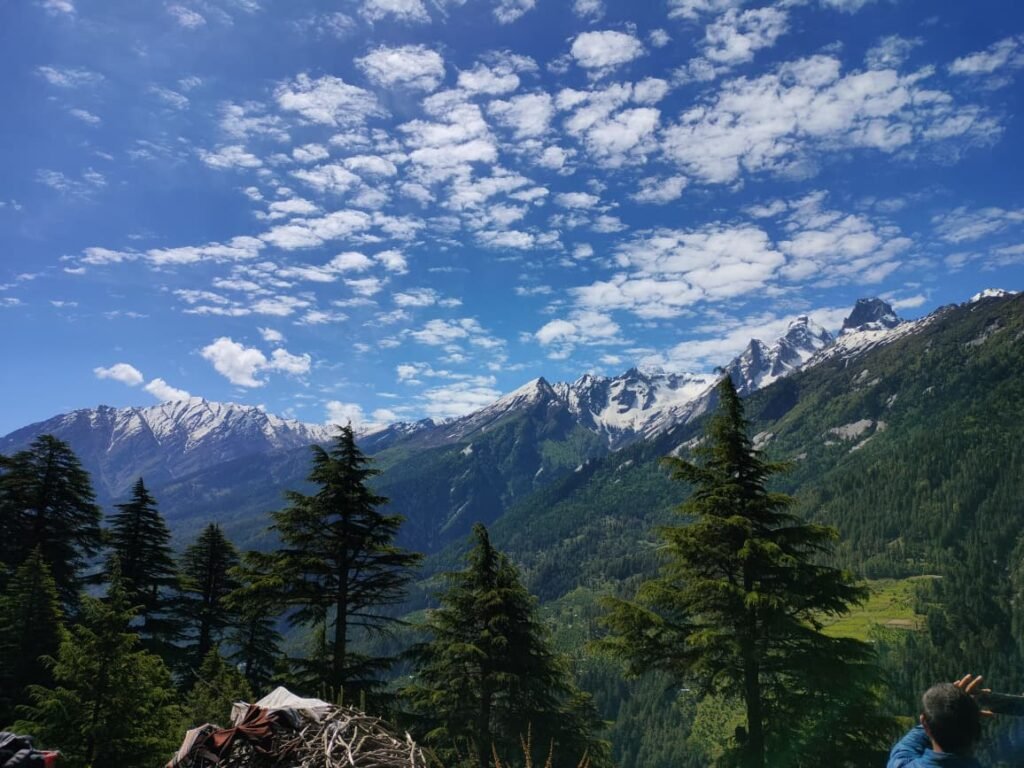
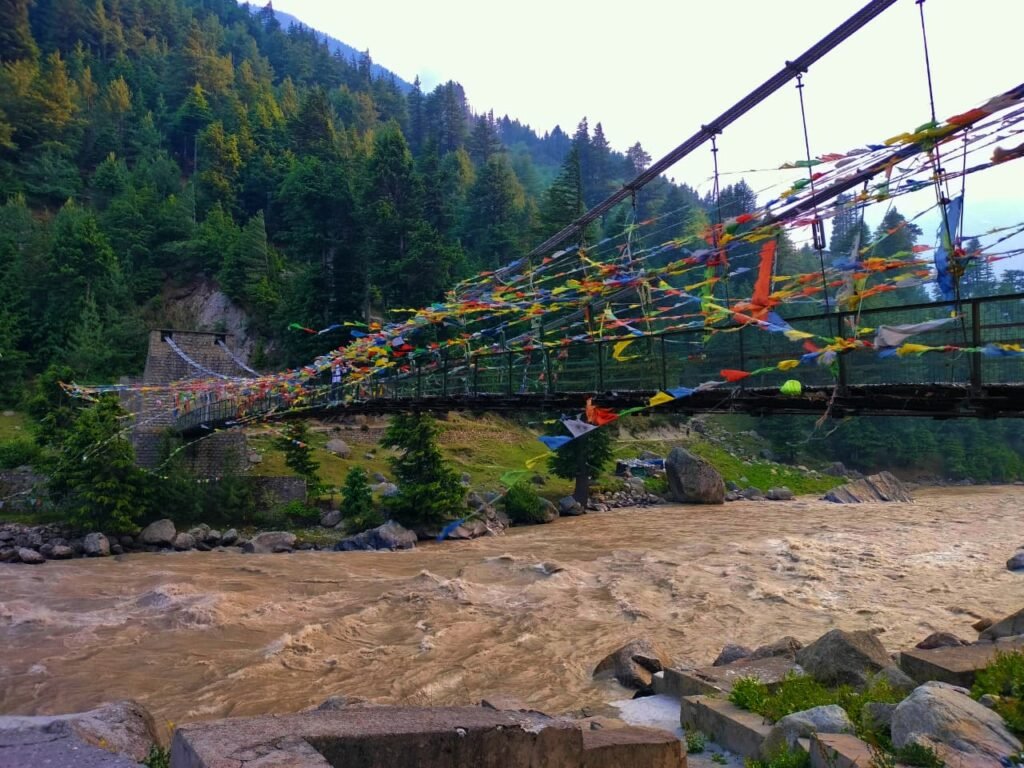
Best Places to Explore in Harsil Valley
Harsil Village
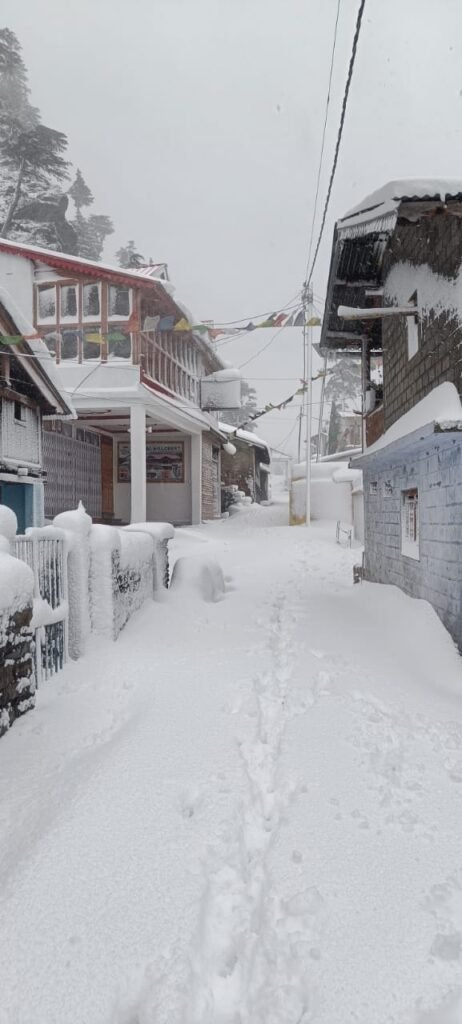
Harsil is the natural base. The core experience is walking along the Bhagirathi, watching sunset over the mountains, and walking through the surrounding deodar forests. It is also where many homestays are. Allow at least one evening and one morning here. It suits all traveler types, and it is a good place to photograph forest and river scenes.
[View More]
Bagori Village
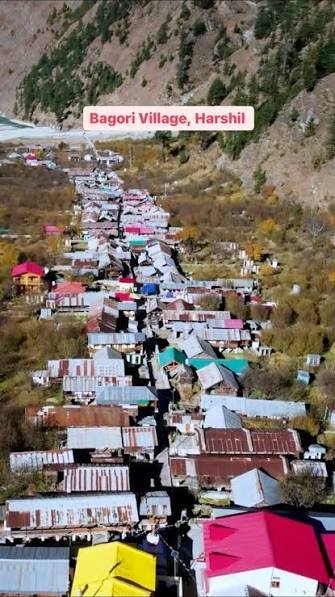
Bagori Village sits in the Harsil Valley of Uttarkashi district, Uttarakhand, at approximately 2,520 meters, on the banks of the Bhagirathi river, roughly 5 minutes from Harsil, 20 km from Dharali, and about 37 km from Gangotri.
[View More]
Mukhba (Mukhwa) Village
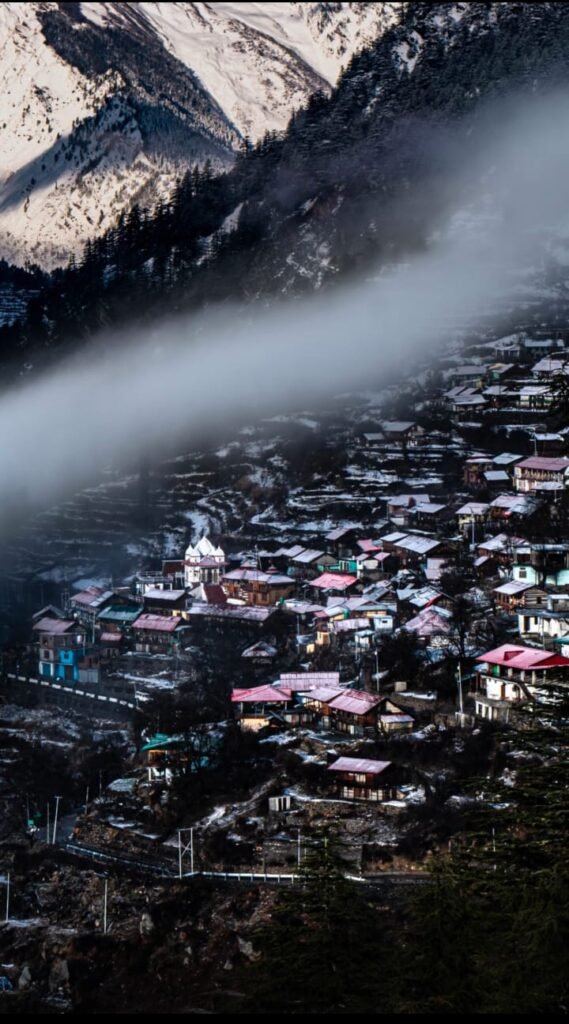
Mukhba is the winter home of the Goddess Ganga idol, which is why it matters in Gangotri pilgrimage. Your itineraries treat it as a short trek from Harsil, with time to see village architecture and the temple and talk with residents. Allow half a day. Be respectful at religious places and ask before photographing people.
[View More]
Sattal

The Sattal trek near Harsil Valley, Uttarkashi, Uttarakhand, takes you through scenic mountain trails, green meadows, and a series of seven interconnected high-altitude lakes. Surrounded by Himalayan landscapes and seasonal flora and fauna, Sattal is an appealing destination for trekkers, nature lovers, and photography enthusiasts.
[View More]
Dharali
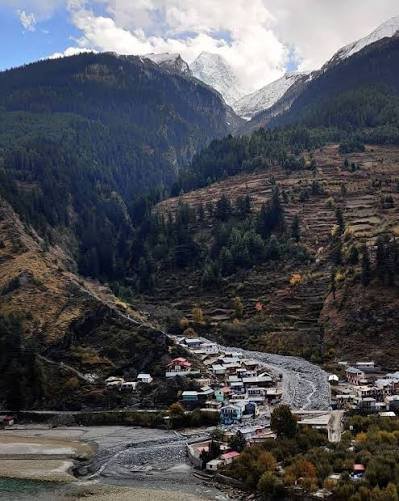
Dharali is known for traditional wooden houses and apple orchards, and for views toward snow-capped peaks. In your itineraries it is reached as a half-day hike from Harsil. Allow 3 to 4 hours including orchard walks. The autumn colours of the orchards are a draw for photographers.
[View More]
Gartang gali
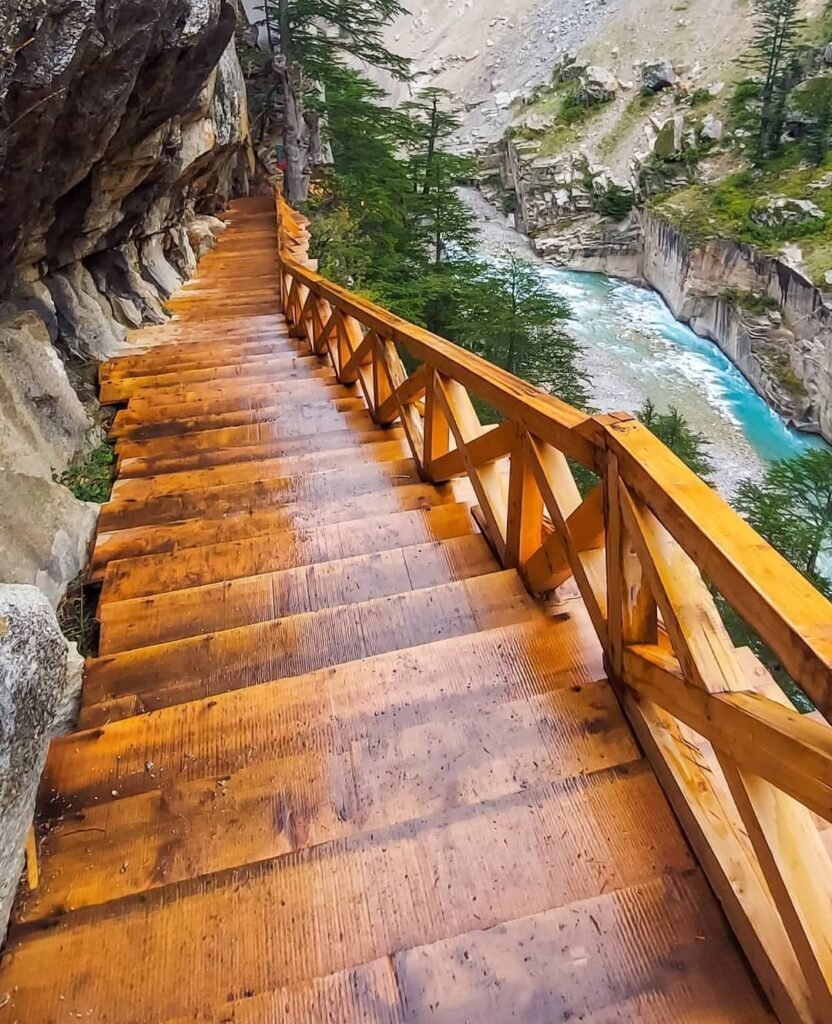
Gartang Gali is one of the most fascinating places to explore near Harsil Valley in Uttarkashi district, Uttarakhand. This historic wooden staircase runs along a steep rocky cliff above the Jadh Ganga River, offering dramatic Himalayan scenery and views towards the Nelong Valley region. Located near Lanka Bridge, approximately 16 km from Harsil, it is a memorable stop for travellers interested in history, mountain landscapes, and adventure.
[View More]
Nelong Valley
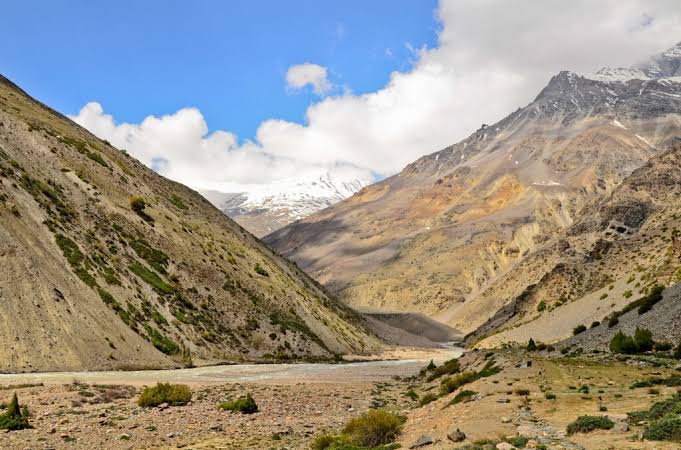
Nelong Valley is a high-altitude cold desert near Harsil Uttarkashi district ,it is known for its rugged mountains, barren rock formations, sparse vegetation, and dramatic landscapes. The terrain has earned it the nickname “Ladakh of Uttarakhand.” Unlike the green forests and river scenery around Harsil, Nelong Valley features a stark, windswept landscape with shades of grey and ochre.
[View More]
Gangotri

Gangotri is one of the holiest pilgrimage sites in India, and the drive is part of the draw. Visitors usually take a shared taxi or local bus from Harsil, spend time at the temple, and stop at Bhairon Ghati on the way back. Plan a full day. See our Gangotri guide .
[View More]
Bhairon Ghati
Bhairon Ghati is a gorge with dense forest and good landscape photography. It sits on the Gangotri route, so it works as a stop on the way back rather than a separate outing. Allow 30 to 60 minutes.
[View More]
Other Nearby Places
Gangnani, Jhala, Sukhi Top, are nearby areas that many travelers ask about.
Best Time to Visit Harsil Valley
Short answer: The best time to visit Harsil depends on the experience you want. Summer and autumn generally offer easier sightseeing conditions, while winter is preferred by travelers seeking snowfall, subject to road and weather conditions.
Harsil Valley in Uttarkashi, Uttarakhand, changes beautifully with the seasons. Summer brings pleasant weather and opportunities for outdoor activities, the monsoon transforms the valley into a lush green landscape, autumn offers clear views and golden colours, and winter brings freezing temperatures and the possibility of snowfall.
The best time to visit Harsil depends on whether you want to explore villages, enjoy mountain walks, photograph the landscape, or experience snow. Before travelling, check the latest weather forecast and road conditions, particularly during the monsoon and winter months.
Harsil Valley in Summer (April to June)
Summer is a popular time to explore Harsil Valley, with generally pleasant conditions for sightseeing, village walks, and outdoor activities. Daytime temperatures may reach around 22°C, while mornings and evenings can feel considerably cooler.
Carry light woollens and a warm jacket, especially if you plan to spend time outdoors early in the morning or after sunset. This season is suitable for exploring Harsil village, visiting Mukhba and Dharali, and planning excursions towards Gangotri, subject to road and access conditions.
Best for: Sightseeing, village walks, photography, and outdoor exploration.
Harsil Valley in Monsoon (July to September)
During July and August, Harsil Valley receives rainfall that transforms the surrounding forests, hillsides, and meadows into a lush green landscape. Mist and seasonal wildflowers can add to the valley’s appeal, particularly as the monsoon begins to retreat in September.
However, heavy rain can trigger landslides, road blockages, and travel delays along mountain routes. September may offer improving conditions, but rainfall can continue, so check road updates before departure.
Carry a raincoat, waterproof layers, and suitable footwear. Keep flexible travel plans and allow extra time for unexpected disruptions.
Best for: Green landscapes, misty mountain views, and nature photography, provided weather and road conditions are favourable.
Harsil Valley in Autumn (October to November)
Autumn offers cooler weather, changing foliage, and opportunities to enjoy the valley’s forests, villages, and mountain scenery. Daytime temperatures may be around 16°C, while nights can approach freezing, particularly later in the season.
This period can be rewarding for photography and peaceful village walks. Pack warm clothing for early mornings and evenings, and confirm accommodation and transport arrangements before travelling.
Best for: Photography, village exploration, crisp mountain views, and quieter travel experiences.
Harsil Valley in Winter (December to March)
Winter brings cold weather, possible snowfall, and a different atmosphere to Harsil Valley. Temperatures can fall below freezing at night, and severe cold may affect road access, trekking routes, and accommodation availability.
Snowfall is possible, but its timing and intensity vary from year to year. If you are visiting for snow, check recent local conditions rather than relying on seasonal expectations alone.
Pack thermal layers, a heavy insulated jacket, gloves, a woollen cap, and waterproof footwear. Some treks may become difficult or inaccessible because of snow, ice, or weather conditions. Confirm road access and whether your accommodation is operating before setting out.
Best for: Winter landscapes, the possibility of snowfall, and experiencing the valley in colder conditions.
How Many Days Are Enough for Harsil Valley?
Short answer: Two days lets you see Harsil and one nearby place. Three to five days is more comfortable, and covers Gangotri and village walks without rushing.
- 1 day: Not recommended unless you are passing through.
- 2 days / 1 night: Harsil, Mukhba or Dharali, plus a short riverside walk.
- 3 days / 2 nights: Harsil, Mukhba, Dharali. Gangotri is possible with an early start.
- 4 to 5 days: Adds Gangotri and Sattal with a relaxed pace.
- 7 days: For slow travel, photography, and weather buffer.
Harsil Valley Itinerary
2-Day Itinerary
Day 1: Arrive in Harsil, evening walk by the Bhagirathi, homestay dinner.
Day 2: Morning walk to Mukhba , Dharali, return and depart.
3-Day Itinerary
Day 1: Arrive in Harsil, evening along the Bhagirathi, and a home-cooked meal.
Day 2: Short trek to Mukhba, then Dharali’s orchards in the afternoon.
Day 3: Morning forest walk, depart after breakfast.
Estimated package cost for 3 to 7 day trips: INR 7,500 to INR 11,500, depending on the plan.
5-Day Itinerary
Day 1: Arrive in Harsil, evening by the river.
Day 2: Early trek to Sattal, return by evening.
Day 3: Gangotri temple visit, with a Bhairon Ghati stop on return.
Day 4: Dharali hike, orchards, and deodar forests.
Day 5: Breakfast and depart for Uttarkashi.
7-Day Itinerary
Day 1 arrival, Day 2 Sattal, Day 3 Mukhba and a nearby waterfall, Day 4 Gangotri and Bhairon Ghati, Day 5 Dharali and forest walk, Day 6 free day, Day 7 departure. Your supplied data lists an approximate total of INR 9,500 to INR 11,000, including stay, food, and transport.
Want a customized itinerary?
Kashi of North can adjust any of these plans to your dates, group size and budget. 📞 Call: +91 72530 79221
💬 WhatsApp: Chat with Kashi of North
How to Reach Harsil Valley
From Uttarkashi: By shared jeep, bus, or private taxi.
From Dehradun and Rishikesh: Take a shared jeep or public bus to Uttarkashi, then transfer to Harsil. There is also a full Dehradun to Harsil drive guide.
From Delhi: Travel to Dehradun or Rishikesh by train, bus, or flight to Dehradun. Then continue to Uttarkashi. An overnight stop in Uttarkashi is the safer plan, instead of attempting the whole route in one day.
Local Transportation in Harsil Valley
- Shared taxis or local buses to Gangotri.
- Private taxis for flexible sightseeing.
- Walking between Harsil, Mukhba, and Dharali, which many itineraries use.
Booking taxis ahead helps in peak season or winter.
Need local transport arranged?
Contact Kashi of North for taxi and trip coordination. 📞 Call: +91 72530 79221
💬 WhatsApp: Chat with Kashi of North
Harsil Valley Hotels & Accommodation
Your supplied data points to budget homestays in Harsil, with home-cooked meals. Homestays are described as both cheaper and a more authentic way to experience local culture and food.
[ADD: verified hotel and homestay names, location, room types, prices, facilities, and booking method. Nothing has been invented here.]
Need help booking your stay?
Kashi of North can arrange accommodation in Harsil and nearby. 📞 Call: +91 72530 79221
💬 WhatsApp: Chat with Kashi of North
Where Should You Stay in Harsil?
| Area | Best for | Advantages | Considerations |
|---|---|---|---|
| Harsil | Most travelers | River, forest, central base | |
| Bagori | |||
| Dharali | Orchard and village stays | Orchards, wooden houses | [VERIFY current status] |
| Gangotri | Pilgrims | Close to temple | Devdaar Cottage Ganogtri |
For most first-time visitors, Harsil is the simplest base.
Harsil Valley Trip Cost
| Item | Indicative range |
|---|---|
| 3 to 7 day budget package | INR 7,500 to INR 11,500 per person |
| 7-day trip (stay, food, transport) | Approx. INR 9,500 to INR 11,000 per person |
Prices are indicative and can change by season, demand, vehicle type and accommodation availability.
Ways to save, from your local data: travel in the shoulder season, use shared transport, choose homestays, carry snacks for treks, walk where possible, and travel in groups.
Harsil Valley for Different Types of Travelers
- Families: Easy walks and homestay meals suit most families. Gangotri adds a full day of road travel.
- Couples: Riverside evenings and quiet village walks.
- Solo travelers: Homestays make it easy to meet locals. Share your plans with someone.
- Seniors: Gangotri by road is manageable; treks such as Sattal may not be. Altitude matters, so consult a doctor.
- Photographers: River, deodar forest, orchards, village architecture, and autumn colour.
- Adventure travelers: Treks such as Sattal, and Harsil as a base for upper Uttarkashi. Link your Dayara Bugyal, Gaumukh and Kedar Tal pages.
What to Pack for a Harsil Valley Trip
- Clothing: Layers, a warm jacket, and rain protection.
- Footwear: Sturdy walking shoes.
- Documents: adhaar card , ID .
- Electronics: Power bank, torch.
- Medicines: Personal medicines and a basic first-aid kit.
- Winter: Thermals, gloves, cap, waterproof boots.
- Other: Cash, reusable water bottle, snacks for treks.
Harsil Valley Travel Tips
- Start journeys early and keep buffer time. Check before leaving: Contact your host or local operator the day before.
- Check weather and road status before departure. Road access can change quickly after snow.
- Carry cash, and do not rely on mobile connectivity.
- Confirm hotels and taxis in advance. Hotels and homestays: Not all operate year-round. Confirm in advance.
- Respect local culture and religious sites. Gangotri: Because the Ganga idol moves to Mukhba in winter, Mukhba becomes the worship centre.
- What to carry: Heavy thermals, insulated jacket, waterproof boots, gloves, cap, and a power bank.
- Avoid littering.
- Avoid risky roadside photography.
Harsil Valley + Nelong Valley Trip
Nelong Valley has separate permit and access requirements, and staying in Harsil does not give you permission to enter. See our complete Nelong Valley permit guide https://kashiofnorth.com/nelong-valley-permit/ .
Sustainable Tourism in Harsil Valley
Carry a reusable bottle, avoid single-use plastic, take your waste back, support local homestays and guides, keep noise low, do not disturb wildlife, and respect religious places.
Plan Your Harsil Valley Trip With Kashi of North
Kashi of North, your Uttarkashi local travel partner, can help with trip planning, local taxis, hotels and stays, Gangotri trips, Nelong Valley permit assistance, sightseeing, customized itineraries, and trek arrangements. 📞 Call: +91 72530 79221
💬 WhatsApp: Chat with Kashi of North
Planning a Harsil Valley trip?
Don’t want to coordinate hotels, taxis and local sightseeing separately? Contact Kashi of North for a customized Uttarkashi travel plan.📞 Call: +91 72530 79221
💬 WhatsApp: Chat with Kashi of North
Frequently Asked Questions About Harsil Valley
Where is Harsil Valley located?
In Uttarkashi district, Uttarakhand, on the Bhagirathi River on the way to Gangotri.
Is Harsil the same as Harsil Valley?
Harsil is the village. “Harsil Valley” informally includes nearby villages such as Mukhba and Dharali.
What is Harsil famous for?
The Bhagirathi River, deodar forests, apple orchards, and its position on the Gangotri route.
How do I reach Harsil from Uttarkashi?
By shared jeep, bus, or private taxi up the Bhagirathi valley.
How many days are enough?
Two days minimum; three to five days is more comfortable.
Best places to explore?
Harsil, Mukhba, Dharali, Gangotri, Bhairon Ghati, and Sattal.
Best time to visit?
Summer and autumn for easier sightseeing; winter for snow, subject to conditions.
Does Harsil receive snowfall?
Winter is the snow season.
Can I visit in winter?
Often yes, but confirm road access and hotel operation first.
Where should I stay?
Harsil is the simplest base; homestays are the budget choice.
How much does a trip cost?
Packages in your data range from INR 7,500 to INR 11,500 per person , depending on duration.
Can I combine Harsil with Gangotri?
Yes, it is a common combination.
Can I visit Nelong Valley from Harsil?
Only with the required permits. [VERIFY current rules here Nelong Valley Permit: Complete Process 2026]
Is Harsil suitable for families and seniors?
Generally for families; seniors should consider altitude and avoid long treks.
Is mobile network available? Are ATMs available?
[VERIFY.] Carry cash and do not rely on connectivity.
Can I find taxis locally?
Shared and private taxis are available. Book ahead in peak season.
What should I pack?
See the packing list above.
Is Harsil safe?
It is a popular destination, but mountain roads, weather and altitude need planning.
Final Thoughts
Harsil sits on the Bhagirathi in Uttarkashi district and works well as a base for village walks, forests, and a Gangotri day. Plan two to five days, book your stay and transport early, and check seasonal conditions before you go. Kashi of North can coordinate all of it.
📞 Call: +91 72530 79221
💬 WhatsApp: Chat with Kashi of North

Explore Uttarkashi. Experience the Himalayas.

You might also like
 Travel Guide
Nelong Valley Tourism Update 2026: Year-Round Access and Daily Visitor Restrictions
Nelong Valley, the remote high-altitude border landscape in Uttarkashi district, Uttarakhand, is entering a new phase…
 Destination Guide
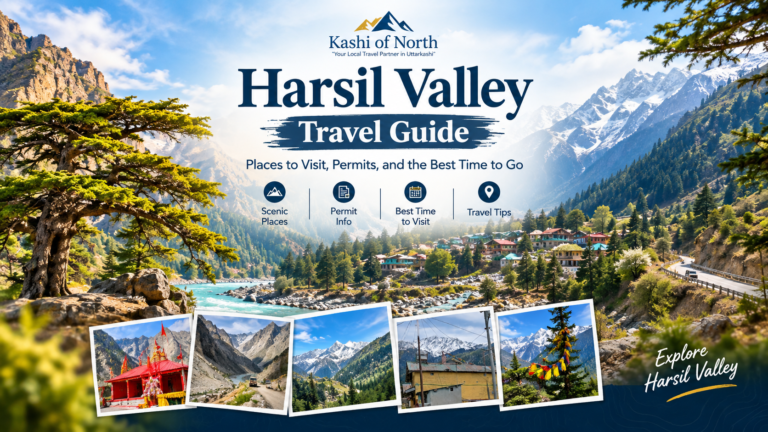
Harsil Valley Travel Guide 2026 : Places to Visit, Permits, and the Best Time to Go
Harsil Valley sits at about 2,620 m in Uttarkashi district, Uttarakhand, on the Bhagirathi river, roughly 25 km before Gangotri Dham and about 220–235 km from Dehradun by road (7–8 hours' drive). It's best visited April–June and September–November; the road stays open through the Char Dham Yatra season (roughly late April to mid-November) and is closed by heavy snow in peak winter.
 Trekking Permit
Nelong Valley Permit : Step-by-Step Process
How to get a Nelong Valley permit in Uttarkashi: where to apply, the 4-step process, documents needed, Bhaironghati checkpoint fees, and tips from our local team. Updated October 2026.