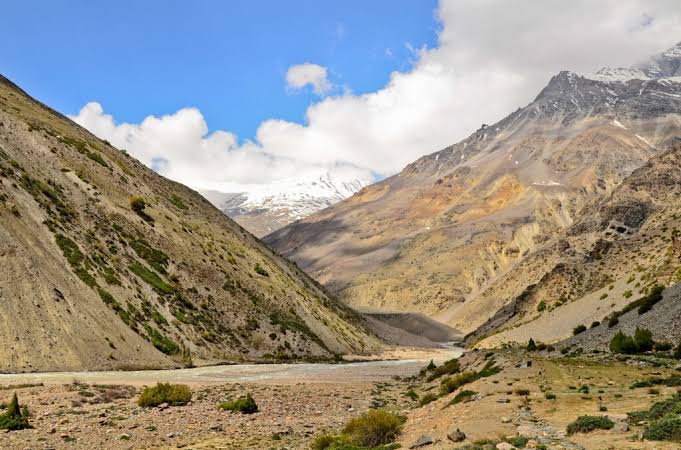
Nelong Valley Tourism Update 2026: Year-Round Access and Daily Visitor Restrictions
📑 Table of Contents
Nelong Valley, the remote high-altitude border landscape in Uttarkashi district, Uttarakhand, is entering a new phase of tourism in 2026. For years, access to this cold-desert valley near the India–Tibet border was tightly seasonal and largely restricted. That is changing: a year-round tourism plan has been introduced, and the Uttarakhand Forest Department has confirmed a formal winter-tourism opening date of December 1, 2026. the announcement was formally made by senior state officials—including Chief Wildlife Warden Neena Grewal and Principal Secretary of Forests RK Sudhanshu—during the inauguration of the Wildlife Week celebrations in Dehradun,
This is a meaningful shift for travellers who have long wanted to see Nelong Valley’s snow-covered mountains and dramatic Indo-Tibetan trade-route landscape outside the traditional summer window — but it comes with a carefully controlled framework of daily visitor caps, vehicle limits, entry timings and conduct rules.
Here’s what the update actually means, and what to check before you plan a trip.
Planning a Nelong Valley trip around this update? Kashi of North can help with permit guidance, transportation and local travel arrangements from Uttarkashi/Harsil, subject to current government and security permissions.
📞 Call: +91 72530 79221 | 💬 WhatsApp Kashi of North
What’s New: Year-Round Access to Nelong Valley
Historically, Nelong Valley’s extreme winter conditions and its status as a sensitive border area meant the window for visiting was narrow and unpredictable. The 2026 tourism plan changes that by formally extending access across all seasons, including winter, under a controlled, permit-based system.
This doesn’t mean the valley is now open to unrestricted tourism. Instead, authorities have built a framework that allows visitors in through defined daily caps, fixed entry/exit windows, and strict environmental and security conditions — designed to protect a fragile high-altitude ecosystem and a strategically sensitive border zone while still opening the valley to responsible tourism.
December 1, 2026: The Winter Tourism Opening Date
In October 2026, the Uttarakhand Forest Department announced that winter tourism in Nelong Valley would formally begin on December 1, 2026. This is the headline date behind the current wave of interest in the valley.
What this date means: It marks the scheduled start of the winter tourism season under the new year-round access framework.
What this date does not mean: It is not a guarantee that every road, vehicle or permit will be automatically available regardless of weather. Winter conditions in a high-altitude border valley are unpredictable — snowfall, road closures and security assessments can still affect access on any given day, even after December 1.
If you’re planning a winter trip, treat December 1 as the opening of the window, not a guarantee of entry on a specific date. Always reconfirm conditions close to your travel date.
Daily Visitor Restrictions: What’s Capped
The core of the new framework is a set of daily limits designed to keep tourism controlled even as access expands. The reported winter management plan sets the following caps:
| Restriction | Limit |
|---|---|
| Tourists per day | 100 |
| Vehicles per day | 20 |
| Entry window | 8 AM – 11 AM |
| Exit deadline | 5 PM |
Why the caps exist: Nelong Valley sits within the broader landscape of Gangotri National Park, hosts sensitive wildlife habitat, and lies in an active border-security zone. A hard daily ceiling on visitors and vehicles is meant to balance tourism growth with environmental protection and security needs.
What this means for travellers: Because entry is capped, a visit can no longer be treated as something you decide on a whim once you’re in Harsil or Uttarkashi. Early planning — and in many cases, early-morning entry within the 8–11 AM window — is essential.
Entry and Exit Timings
Under the reported plan, visitors are admitted only between 8 AM and 11 AM, and must exit the restricted area by 5 PM. This same-day, defined-window structure means:
- There’s no late-arrival flexibility — missing the entry window likely means missing the day’s visit entirely.
- Overnight stays inside the valley should not be assumed to be permitted; the framework describes controlled day visits.
- Trips need to be planned around these timings well in advance, including travel time from Harsil or Bhaironghati to the entry point.
As with the visitor caps, these timings are subject to change based on weather, road conditions and administrative decisions, so reconfirm them close to your travel date.
Route Covered Under the New Access Plan
The 2026 winter tourism plan reportedly opens a tourist-accessible stretch of approximately 30 km, running from Bhaironghati through Nelong and onward toward Naga. The broader approach route remains:
Uttarkashi → Harsil → Bhaironghati → Nelong Valley
This gives travellers a clearer sense of how far into the valley the new access framework actually extends, rather than treating “Nelong Valley is open” as an unlimited invitation to explore the wider restricted zone.
Fees and Charges Under the New Framework
Earlier reporting on the year-round access plan indicated that day visitors would be charged an entry fee, with separate charges for vehicles and photography. The winter plan also reportedly includes a refundable waste-security deposit, tied to a carry-in/carry-out waste policy with a log maintained at the entry barrier.
Because fee structures are still being finalized and can be revised, don’t rely on outdated screenshots or old blog posts for exact amounts — confirm current rates before your trip:
| Charge | What to Check |
|---|---|
| Tourist entry fee | Current Indian/foreign visitor rate |
| Vehicle fee | Applicable category and current rate |
| Photography | Whether an additional charge applies |
| Waste/security deposit | Current amount and refund procedure |
Drones and Photography: What’s Restricted
The winter tourism plan explicitly states that drones are strictly prohibited for photography or videography — an important detail for travellers planning to capture Nelong Valley’s dramatic winter landscape. Standard photography may also attract an additional charge under the reported fee structure. Don’t fly a drone in the valley without explicit official authorization; this is a sensitive border area, and the restriction is being enforced, not just suggested.
Waste Management: Carry-In, Carry-Out
A notable part of the update is the formal carry-in, carry-out waste policy. Visitors are expected to leave with everything they brought in, and the reported refundable security deposit is specifically linked to compliance — your deposit is returned when your waste is accounted for at the exit barrier. This reflects how fragile the high-altitude environment is, and how seriously the administration is treating environmental protection alongside the tourism expansion.
What This Update Means If You’re Planning a Trip
1. Book and plan early. With a 100-visitor, 20-vehicle daily ceiling, Nelong Valley is no longer a spontaneous add-on to a Harsil or Gangotri trip — it needs to be planned for specifically.
2. Don’t assume December 1 guarantees entry. It’s the scheduled opening of the window, not a weather-proof guarantee. Reconfirm conditions a day or two before you travel.
3. Structure your day around the entry/exit window. Base yourself in Harsil or Bhaironghati the night before so you can reach the entry point within the 8–11 AM window.
4. Budget for multiple fee categories. Entry, vehicle, photography and a refundable waste deposit may all apply — ask for a current breakdown rather than a flat estimate.
5. Leave the drone at home (or get authorization first). This rule is being actively enforced under the new framework.
6. Plan to leave with your waste. The carry-in, carry-out system is tied to your refundable deposit, so this isn’t optional.
How This Differs From the Standard Nelong Valley Permit Process
This tourism update sits on top of the existing permit requirement — it doesn’t replace it. You’ll still need to go through the standard permit process (application, SDM office verification, police verification in Uttarkashi) before you’re eligible to enter under these new daily caps and timings.
For the full step-by-step permit process, required documents and application details, see our complete How to get Nelong Valley Permit Guide.
Frequently Asked Questions
Is Nelong Valley really open all year now? The 2026 plan introduces a year-round access framework, including controlled winter tourism. But actual entry on any given day still depends on weather, road conditions, security and operational decisions — “year-round” means the framework exists, not that every day is guaranteed accessible.
When exactly does winter tourism start? The Uttarakhand Forest Department has announced December 1, 2026 as the formal start date for winter tourism in Nelong Valley.
How many people can visit per day? The reported cap is 100 tourists and 20 vehicles per day.
What are the entry and exit timings? Entry is between 8 AM and 11 AM, with a mandatory exit by 5 PM.
Can I stay overnight in Nelong Valley? The framework describes controlled day visits; don’t assume overnight stays are permitted without confirming current rules.
Are drones allowed? No — drones for photography or videography are strictly prohibited under the reported winter plan.
Will there be extra charges for photography? Standard photography may carry an additional fee under the reported structure; confirm current rates before travelling.
Does this update change the permit process? No — the standard Nelong Valley permit application and verification process still applies. This update adds daily visitor/vehicle caps, entry timings and conduct rules on top of that existing permit system.
Is the December 1 date guaranteed regardless of weather? No. It’s the scheduled opening of the winter tourism window. Snowfall, road closures or security conditions can still cause access to be restricted on individual days.
Final Thoughts
The 2026 update marks one of the most significant shifts in how Nelong Valley is managed for tourism — moving from a narrow, unpredictable seasonal window to a structured, year-round framework with clear (if strict) daily limits. For travellers, that’s good news: a controlled winter visit to one of Uttarakhand’s most dramatic and remote landscapes is now a realistic plan rather than a rare exception.
But “controlled” is the operative word. The 100-visitor cap, the 20-vehicle limit, the 8 AM–11 AM entry window, the drone ban and the carry-in/carry-out waste policy all point to an administration trying to balance tourism growth with the valley’s fragile environment and sensitive border location. Plan early, confirm details close to your travel date, and treat official announcements like the December 1 opening as the start of a window — not a guarantee.
Plan Your Nelong Valley Winter Trip With Kashi of North
Kashi of North is a local Uttarkashi-based travel platform helping travellers navigate this new access framework — permit guidance, transportation, Harsil and Bhaironghati-area logistics, and trip planning that accounts for the current daily caps and timings.
Kashi of North — Your Uttarkashi Local Travel Partner
📞 Call: +91 72530 79221 💬 WhatsApp: Chat with Kashi of North 🌐 Website: kashiofnorth.com 📧 Email: kashiofnorth@gmail.com
Note: Entry remains subject to applicable government, forest, security and weather conditions. Kashi of North does not guarantee permit approval or entry on any specific date.

Explore Uttarkashi. Experience the Himalayas.

You might also like
 Travel Guide
Harsil Valley Trip Planner: Places to Explore, Itinerary, Hotels & Local Travel
Harsil sits on the Bhagirathi River in Uttarkashi district, Uttarakhand, on the road to Gangotri. Most travelers plan a Harsil Valley trip for the Bhagirathi river, the deodar forests, the apple orchards of nearby villages, and a quieter base than the pilgrimage towns downstream. Others use it as a stop before and after Gangotri.
Destination Guide Harsil Valley Travel Guide 2026 : Places to Visit, Permits, and the Best Time to Go
Harsil Valley sits at about 2,620 m in Uttarkashi district, Uttarakhand, on the Bhagirathi river, roughly 25 km before Gangotri Dham and about 220–235 km from Dehradun by road (7–8 hours' drive). It's best visited April–June and September–November; the road stays open through the Char Dham Yatra season (roughly late April to mid-November) and is closed by heavy snow in peak winter.
 Trekking Permit
Nelong Valley Permit : Step-by-Step Process
How to get a Nelong Valley permit in Uttarkashi: where to apply, the 4-step process, documents needed, Bhaironghati checkpoint fees, and tips from our local team. Updated October 2026.
💬 1 Comment