
Harsil Valley Apple: The Story Behind Uttarkashi’s Most Famous Fruit
Tucked into the Bhatwari block of Uttarkashi district, along the banks of the Bhagirathi river, Harsil Valley is known across India for one thing above all else — its apples. Long before it became a name whispered by trekkers and pilgrims heading toward Gangotri, Harsil was quietly building a reputation as one of the finest apple-growing belts in the Himalayas. Today, the Harsil Valley apple is as much a part of the region's identity as its pine forests, its ancient temples, and its snow-fed river.
📑 Table of Contents
Tucked into the Bhatwari block of Uttarkashi district, along the banks of the Bhagirathi river, Harsil Valley is known across India for one thing above all else — its apples. Long before it became a name whispered by trekkers and pilgrims heading toward Gangotri, Harsil was quietly building a reputation as one of the finest apple-growing belts in the Himalayas. Today, the Harsil Valley apple is as much a part of the region’s identity as its pine forests, its ancient temples, and its snow-fed river.
This guide brings together what is known about Harsil’s apple orchards — their history, their varieties, the harvest season, and the festival that celebrates them — so that anyone curious about Harsil Valley apple Uttarkashi produce, or planning a visit during harvest time, has one clear, honest reference point.
Where Harsil Valley Sits
Harsil is a hidden hill station in the Bhatwari block of Uttarkashi district, Uttarakhand, often described as a “mini Switzerland” for its snow-clad peaks, deodar and pine forests, traditional wooden houses, and the Bhagirathi river running through it. It sits on the route to Gangotri Dham, which makes it a natural stop for pilgrims and travellers heading further up the valley — but it has long stood on its own merit as a place of apple orchards, ancient temples, and quiet mountain life.
The valley is also locally famous as a filming location for Raj Kapoor’s Ram Teri Ganga Maili. The village post office that appeared in the film still stands in Harsil today, largely unchanged, and villagers are known to speak proudly of the film whenever visitors bring it up.
The History Behind Harsil’s Apples

The story of the Harsil Valley apple in Bhatwari block goes back to the 19th century, and it is inseparable from one man: Frederick E. Wilson, remembered locally as “Pahari Wilson.”
- Wilson, a British settler, is credited with introducing apple cultivation to Harsil in the 1800s.
- According to local lore, Wilson fell in love with both the valley and a local woman, and made Harsil his home.
- His decision to plant apple orchards here did more than add a new crop — it reshaped the entire economy of the valley, turning Harsil into a fruit-growing belt that continues to support local livelihoods generations later.
It’s a history that locals still talk about with a mix of pride and folklore, and it’s part of why an apple from Harsil carries a little more story than an apple from anywhere else.
Apple Varieties Grown in Harsil Valley
Harsil’s high-altitude climate along the upper Bhagirathi belt produces apples known for their crisp bite and rich natural sweetness. Depending on the source, the list of varieties grown here differs slightly — some accounts highlight a shorter list of well-known commercial varieties, while others mention a wider spread of both common and heritage varieties grown across the valley’s orchards.
| Variety | Known For |
|---|---|
| Royal Delicious | Deep red-golden colour, sweet taste, crisp texture |
| Red Delicious | Bright red skin, crisp bite |
| Golden Delicious | Yellow-green skin, mild sweet flavour |
| McIntosh / Early McIntosh | Classic hill-apple variety |
| Granny Smith | Tart, firmer variety |
| Lal Ambri, George Cave, Scarlet Spur, Lobo | Locally grown varieties, less commercially widespread |
Note: Sources vary on exactly how many varieties are cultivated at scale in Harsil today versus historically. This table reflects all varieties mentioned across available records.
When Are Harsil Apples Ready? Harvest Season
If you’re planning a visit specifically to see apples on the trees, timing matters:
- Late August through September is when Harsil’s apples are at their peak on the branch — this is the window most commonly cited for seeing full, ready-to-pick orchards.
- Some accounts extend the ripening and harvesting period into September–October, suggesting the full harvest window can stretch across early autumn depending on the season and altitude of individual orchards.
The Harsil Apple Festival
Every year, Harsil hosts an Apple Festival, typically in the last week of October, once the harvest is largely complete. The festival is built around celebrating the season’s produce and supporting the valley’s local apple farmers — a good reason, beyond the fruit itself, to time a visit toward late October if you want to experience Harsil at its most festive.
Best Time to Visit Harsil Valley
- April to June — pleasant weather, good for general travel and sightseeing.
- September to October — overlaps with harvest season and the apple festival, making this the best window for anyone specifically interested in the orchards.
- Winter months — Harsil receives heavy snowfall, which limits accessibility and orchard activity.
What Else to See Near Harsil
While the apples are the headline, Harsil Valley’s location in Bhatwari block puts a few other worthwhile stops within easy reach:
Mukhwa Village
A short distance from Harsil, Mukhwa is the winter abode of Goddess Gangotri. When the Gangotri region becomes inaccessible in winter due to snowfall, devotees travel to Mukhwa instead to worship the goddess.
Dharali
Roughly 3 km from Harsil, Dharali is a quiet village good for experiencing local culture, everyday village life, and Kumaoni cuisine firsthand.
Things to Do in and Around Harsil
Harsil serves as a base for several trekking routes, including treks toward Dayara Bugyal and the Khatling Glacier. Beyond organised treks, the valley is dotted with smaller villages that reward simply walking or hiking between them — a good way to see rural Uttarakhand at an unhurried pace.
How to Reach Harsil
- By Air: The nearest airport is Jolly Grant Airport, roughly 232 km away.
- By Rail: The nearest railhead is Rishikesh, roughly 215 km away.
- By Road: Harsil is connected by motorable roads to major towns and cities in the region.
Order Harsil Valley Apples Through Kashi of North
If you’ve read this far, you already know what makes a Harsil apple worth seeking out — the altitude, the Bhagirathi-fed orchards, and generations of cultivation going back to Pahari Wilson himself. Kashi of North can help you source genuine Harsil Valley apples directly, at good quality and fair pricing, whether you want a small batch for home or are looking into it for regular supply.
Apple Enquiry:
Phone Number: 91-7253079221
E-mail: kashiofnorth@gmail.com
Reach out to Kashi of North to place your enquiry — we’ll help connect you with genuine Harsil Valley apple sources at a fair price.
Frequently Asked Questions
1. Where is Harsil Valley located? Harsil is a hill station in the Bhatwari block of Uttarkashi district, Uttarakhand, situated on the banks of the Bhagirathi river en route to Gangotri Dham.
2. Why is Harsil famous for apples? Apple cultivation was introduced to Harsil in the 19th century by British settler Frederick E. Wilson, known locally as “Pahari Wilson.” His orchards transformed the local economy, and Harsil apples remain well known across India today.
3. What apple varieties are grown in Harsil? Commonly cited varieties include Royal Delicious, Red Delicious, Golden Delicious, McIntosh, and Granny Smith, with some sources also mentioning Lal Ambri, George Cave, Scarlet Spur, Early McIntosh, and Lobo grown locally.
4. When is the best time to see Harsil’s apple orchards? Late August through September is when apples are typically on the trees, with harvesting extending into October in some seasons.
5. Is there an apple festival in Harsil? Yes, Harsil hosts an annual Apple Festival, usually in the last week of October, celebrating the harvest and supporting local farmers.
6. Can I buy Harsil apples directly? Yes — Kashi of North can help arrange genuine Harsil Valley apples at good quality and pricing. You can share your requirement through our apple enquiry section above.
7. What else is there to see near Harsil besides the orchards? Nearby attractions include Mukhwa Village (winter seat of Goddess Gangotri), Sattal’s seven lakes and Vishwanath Temple, and Dharali village, all within a few kilometres of Harsil.
8. How do I reach Harsil Valley? The nearest airport is Jolly Grant (about 232 km away) and the nearest railhead is Rishikesh (about 215 km away). Harsil is also connected by motorable road to major towns in the region.
Conclusion
The Harsil Valley apple is more than a fruit grown at altitude — it’s a piece of the valley’s history, tracing back to a British settler who fell in love with a place and changed its economy forever. Whether you’re planning a trip timed around the harvest, curious about the annual Apple Festival, or simply looking to buy genuine Harsil-grown apples, this corner of Uttarkashi’s Bhatwari block has a story worth knowing before you taste the fruit. And if you’re looking to source them directly, Kashi of North is here to help connect you with quality Harsil apples at a fair price.
Explore Uttarkashi. Experience the Himalayas.

You might also like
 Rudra Abhishek Puja
Online Rudrabhishek Puja in Kashi Vishwanath Temple, Uttarkashi – Book Shiva Puja from USA, UK, Canada & Worldwide
If you live in the USA, UK, Canada, Australia, the UAE or anywhere else overseas, you may want to offer prayers to Lord Shiva at a sacred temple in India but cannot make the journey. Many NRI families face this. A parent's birthday, a family milestone, a difficult year or simple devotion can all bring up the wish to arrange Rudrabhishek Puja in Uttarkashi from far away.
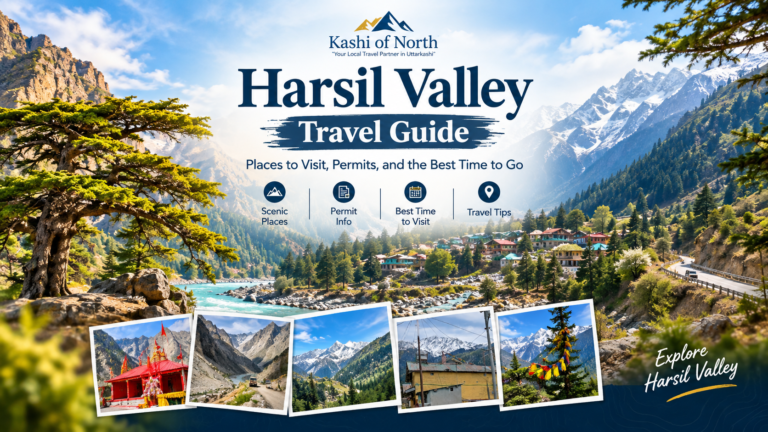 Travel Guide
Harsil Valley Trip Planner: Places to Explore, Itinerary, Hotels & Local Travel
Harsil sits on the Bhagirathi River in Uttarkashi district, Uttarakhand, on the road to Gangotri. Most travelers plan a Harsil Valley trip for the Bhagirathi river, the deodar forests, the apple orchards of nearby villages, and a quieter base than the pilgrimage towns downstream. Others use it as a stop before and after Gangotri.
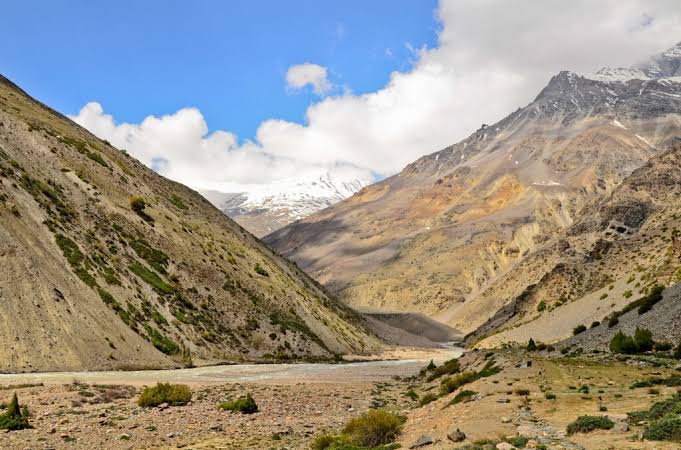 Travel Guide
Nelong Valley Tourism Update 2026: Year-Round Access and Daily Visitor Restrictions
Nelong Valley, the remote high-altitude border landscape in Uttarkashi district, Uttarakhand, is entering a new phase…
💬 1 Comment