
Harsil Valley Travel Guide 2026 : Places to Visit, Permits, and the Best Time to Go
Harsil Valley sits at about 2,620 m in Uttarkashi district, Uttarakhand, on the Bhagirathi river, roughly 25 km before Gangotri Dham and about 220–235 km from Dehradun by road (7–8 hours' drive). It's best visited April–June and September–November; the road stays open through the Char Dham Yatra season (roughly late April to mid-November) and is closed by heavy snow in peak winter.
📑 Table of Contents
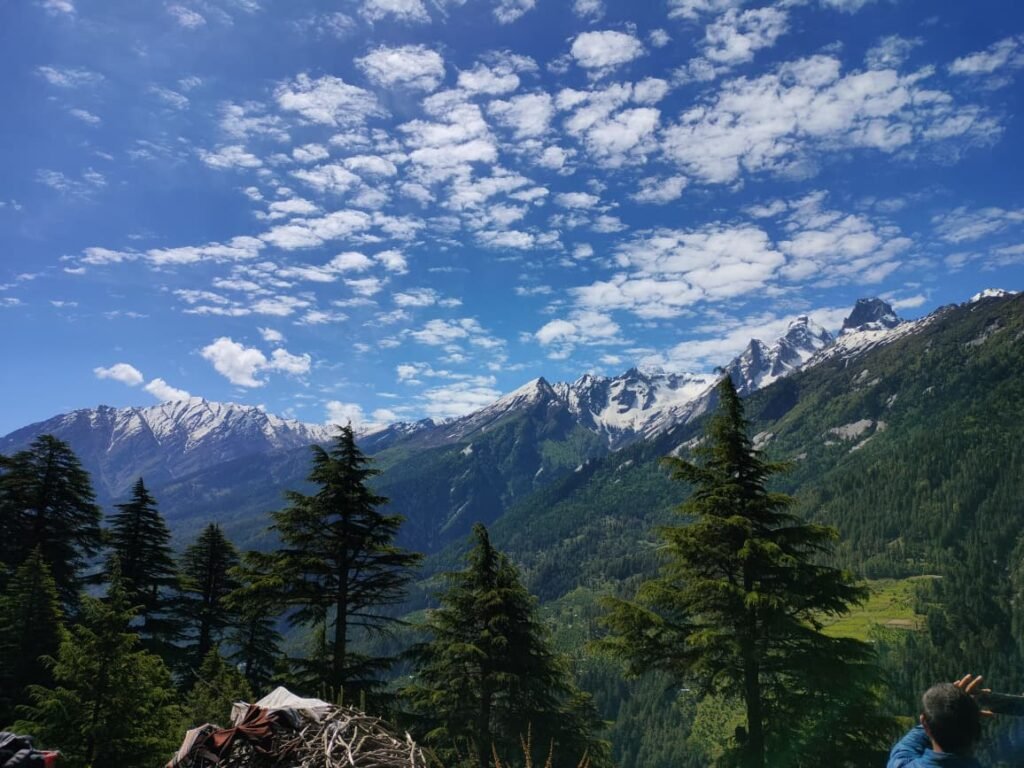
Most people travelling to Gangotri Dham drive straight past Harsil Valley without stopping — which is a shame, because this stretch of the Bhagirathi river, roughly 25 km before Gangotri, is one of the most rewarding detours in the Garhwal Himalaya. Apple orchards, a cluster of eight villages, a wooden bridge that once carried the Indo-Tibet salt trade, and views of Mt. Bandarpoonch make Harsil worth a night or two, not just a photo stop.
Use up and down arrow keys to resize the meta box pane.
Quick answer: Harsil Valley sits at about 2,620 m in Uttarkashi district, Uttarakhand, on the Bhagirathi river, roughly 25 km before Gangotri Dham and about 220–235 km from Dehradun by road (7–8 hours’ drive). It’s best visited April–June and September–November; the road stays open through the Char Dham Yatra season (roughly late April to mid-November) and is closed by heavy snow in peak winter. No permit is needed for Harsil village itself, but a same-day Inner Line Permit is required to visit nearby Nelong Valley. As of 2026, the road through Harsil to Gangotri is open and pilgrimage traffic has resumed, though the neighbouring village of Dharali is still recovering from a serious flash flood in August 2025 — more on that below, since it affects how you should plan a stop there.
Where Is Harsil Valley, and What Makes It Different
Use up and down arrow keys to resize the meta box pane.
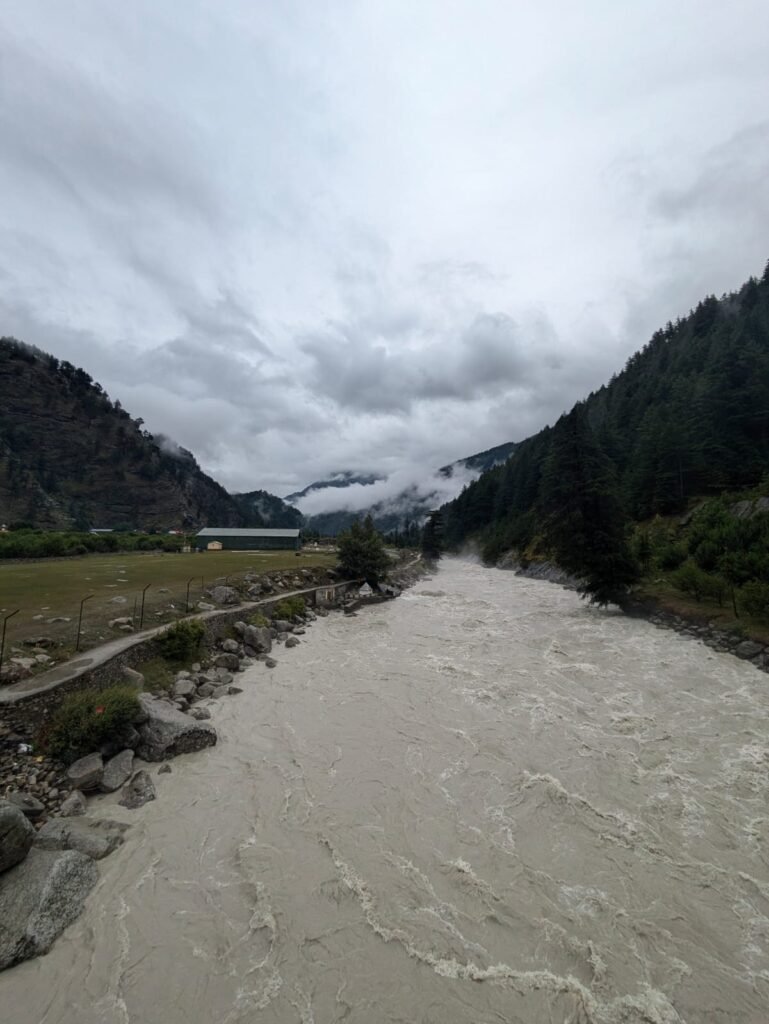
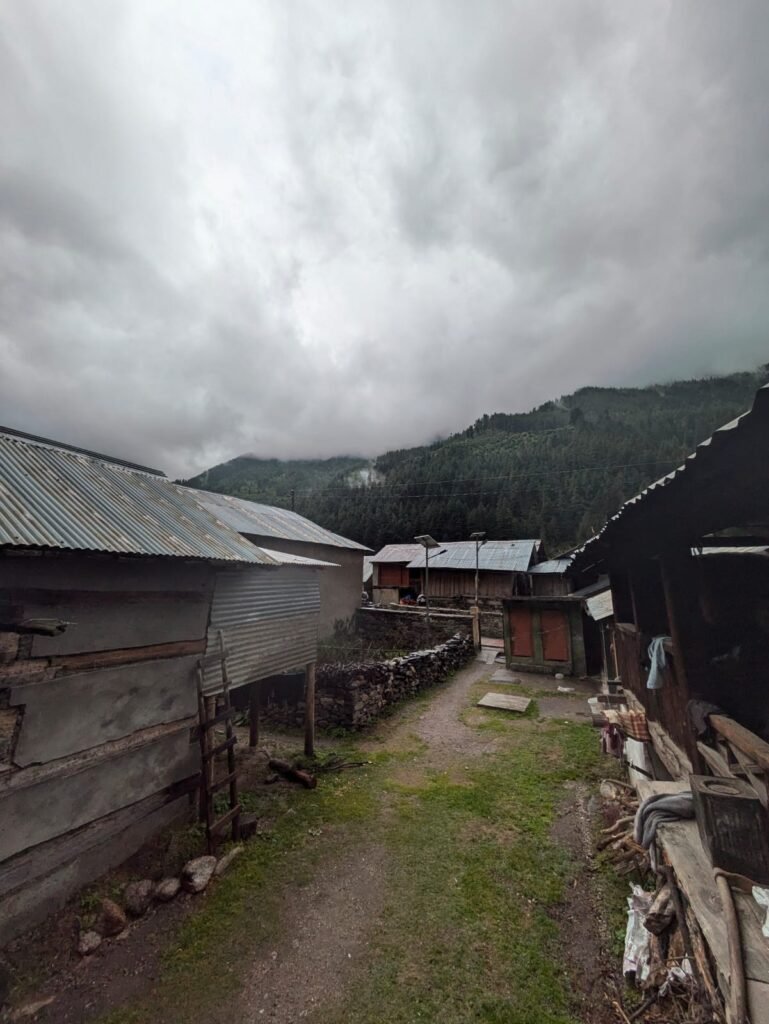
Harsil Valley is a cluster of eight hamlets — Sukki, Mukhba (also spelled Mukhva), Harsil, Bagori, Dharali, Jhala, Jaspur, and Purali — strung along the Bhagirathi as it flows down from Gangotri. Because it sits directly on the pilgrim route, it’s easy to treat as a passing landmark. But the valley has its own identity: orchard-lined villages, homestays, and a genuine mix of Hindu and Buddhist tradition, since several villages here are home to the Jadh Bhotiya community, originally from the Tibet-border region of Nelong.
Two things distinguish Harsil from a typical Char Dham stopover. First, it’s the source of some of India’s best-known apple cultivation, going back to a 19th-century British settler. Second, it’s the gateway to Nelong Valley, a stretch of cold-desert landscape closed to the public for over 50 years and only reopened for permitted day visits in 2015.
The Story Behind the Name
Local legend explains “Harsil” through a dispute between two rivers — the Bhagirathi and the Jalandhari — over which was more significant. According to the tale, Lord Vishnu intervened by transforming himself into a shila (rock) to absorb their turbulence and calm the waters. “Hari” (Vishnu) plus “shila” (rock) is said to have given the valley its name. A small Laxmi Narayan temple in Harsil village carries a related story involving the demon Jalandhar and his wife Brinda — local priests and homestay owners are usually happy to walk visitors through the fuller version on site.
A Valley Shaped by Trade, War, and Apples
Trade with Tibet, and the 1962 turning point. Before 1962, Harsil and the neighbouring Nelong Valley had centuries-old trade and marriage ties with Tibet, carried along routes like the one crossing the Gartang Gali bridge (more on that below). The Indo-China war changed this abruptly: the Jadh Bhotiya families native to Nelong Valley were relocated, with many resettled in Bagori village, where their descendants still live today. Nelong itself remained closed to visitors for over five decades and was only reopened to Indian citizens, with an Inner Line Permit, in 2015. Foreign nationals still cannot visit, and overnight camping in the valley is not permitted.
Frederick Wilson and Harsil’s apples. Harsil’s association with apples traces back to Frederick Wilson, a 19th-century Englishman who worked with the British administration and, by most local accounts, visited the valley on a retreat, stayed on, and introduced apple cultivation along with crops like rajma (kidney beans). He became locally known as “Pahadi Wilson” or “Raja Wilson.” Today Harsil and Bagori produce well-regarded Golden Delicious, Royal Delicious, and Red Delicious apples, sold fresh as well as juice, jam, and cider vinegar, particularly during the autumn Apple Festival.
Harsil Valley Today: The August 2025 Dharali Flood and What It Means for Your Trip
This is the one part of planning a Harsil trip that’s genuinely changed in the last couple of years, so it’s worth being direct about it.
On 5 August 2025, a cloudburst over the Kheer Ganga river triggered a sudden, severe flash flood that tore through Dharali village — one of the eight hamlets in Harsil Valley and a regular overnight stop on the road to Gangotri. Homes, shops, and hotels in the Dharali market were destroyed or buried, and the disaster caused a significant loss of life, with rescue operations involving the Army, ITBP, NDRF, and SDRF continuing for weeks. Dharali’s Kalp Kedar temple, an ancient Shiva shrine believed locally to date to the Mahabharata era, was completely buried under debris; as of the disaster’s one-year mark in August 2026, it reportedly remained buried under an estimated 25 feet of mud and rubble, with the immediate area still largely deserted.
For travellers, here’s what this means in practical terms:
- The road is open. The Uttarkashi–Harsil road was restored within about three weeks of the flood, and the wider Gangotri highway was repaired ahead of the following pilgrimage season. The Char Dham Yatra 2026 opened on schedule at Gangotri in Oct 2026, with officials travelling the Harsil–Gangotri stretch as part of the reopening, confirming the route is functioning again.
- Dharali itself is still recovering. Reconstruction of homes, the market, and the Kalp Kedar temple is an ongoing, multi-year process, and parts of the village remain visibly affected. Treat it as a place to pass through respectfully rather than a planned overnight halt for now, and check current conditions locally (or with a Uttarkashi-based operator) before assuming any specific Dharali guesthouse or shop is operating.
- Harsil, Bagori, and Mukhba villages themselves were not the epicentre of the disaster and continue to function as the valley’s usual bases for homestays and sightseeing — but given how localised and fast-changing conditions in this river valley have proven to be, it’s worth getting a same-week update on road and weather conditions before you set out, especially during and just after the monsoon (July–August).
How to Reach Harsil Valley
There’s no direct train or flight to Harsil; every route funnels through Dehradun, Rishikesh, Haridwar, or Uttarkashi first.
By air. The nearest airport is Jolly Grant Airport, Dehradun, roughly 230 km from Harsil. It has domestic connections to Delhi and other major cities. From Dehradun, Kashi of North can arrange a dedicated vehicle from Dehradun Airport to Harsil, making the onward journey by road comfortable and convenient. The drive typically takes around 7–8 hours, depending on road and weather conditions.
By train. Rishikesh, Haridwar, and Dehradun are the nearest railheads, all well connected to Delhi. Multiple daily trains run this route, including express services from New Delhi to Dehradun/Haridwar. Because train numbers, timings, and even station names on this route are revised periodically, check current schedules on the IRCTC website or National Train Enquiry System before booking rather than relying on a fixed timetable.
By road. From Dehradun, Rishikesh, or Haridwar, travellers can reach Uttarkashi by bus, shared taxi, or private cab, and continue onward to Harsil. During the Char Dham Yatra season, direct buses and other transport services toward Gangotri pass through the Harsil region. Outside the peak season, shared taxis or private vehicles from Uttarkashi are commonly used for the onward journey.
For families and groups, Kashi of North can arrange a private car or Tempo Traveller from Dehradun, Rishikesh, Haridwar, or other starting points to Harsil, providing convenient door-to-door transport for the entire route. Contact us on WhatsApp at +91 72530 79221 to check vehicle availability and plan your journey.
Best Time to Visit Harsil Valley
Unlike many high-Himalayan destinations, Harsil has no single “closed” season for the valley itself — only Gangotri and the road beyond it are governed by the Char Dham Yatra calendar (roughly late April to mid-November, opening and closing dates set annually around Akshaya Tritiya and Diwali).
| Season | Months | What to expect |
|---|---|---|
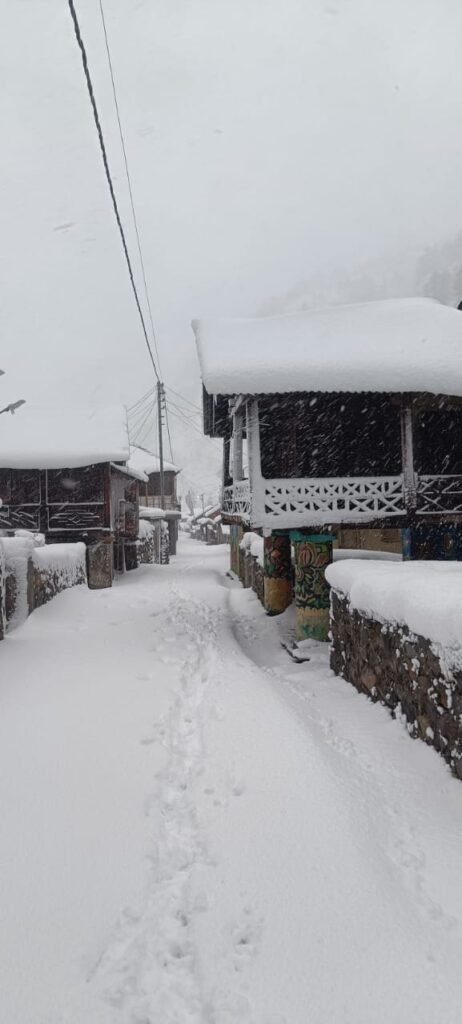
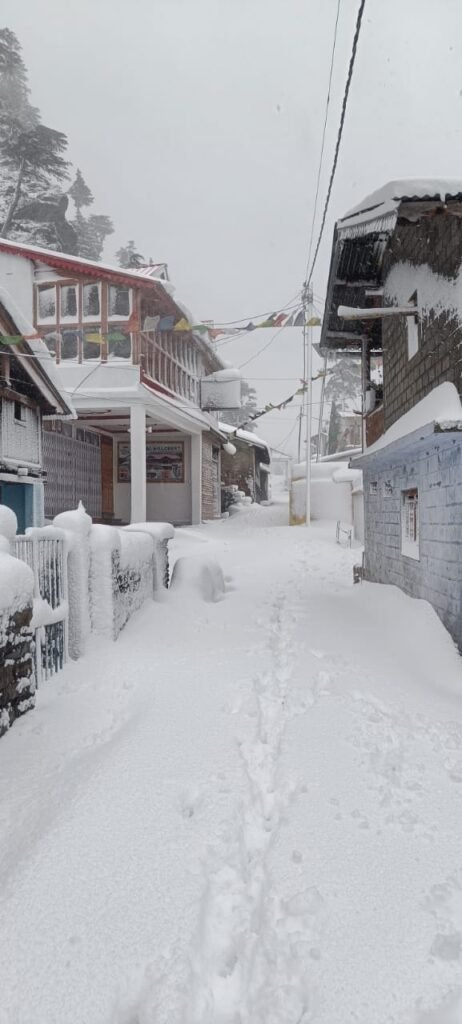
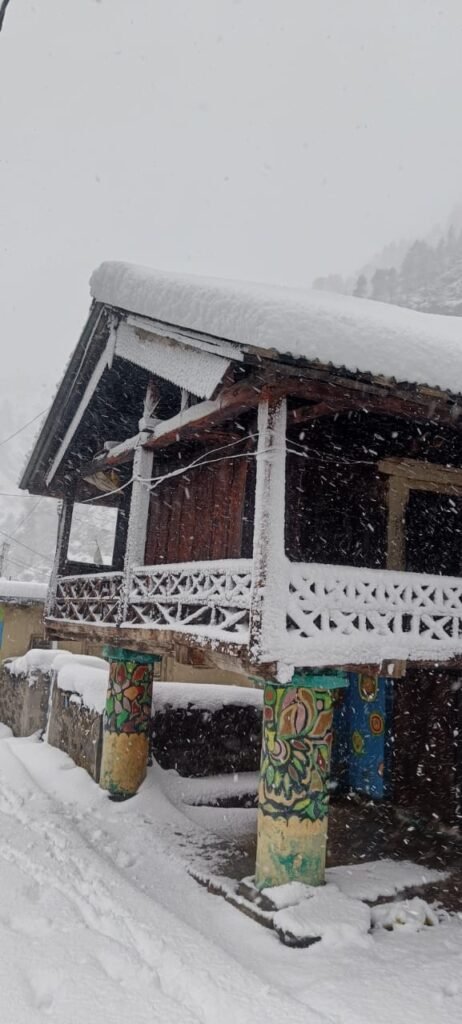
| Winter | December–early March | Snow-covered and scenic, but bitterly cold; many locals relocate to lower villages, and some homestays close for the season |
| Spring | Late March–early May | Snowmelt, apple blossom, and mild days — a good balance of accessibility and colour |
| Summer | Mid-May–June | Cool and pleasant even at the height of the Indian summer; the most comfortable window for trekking |
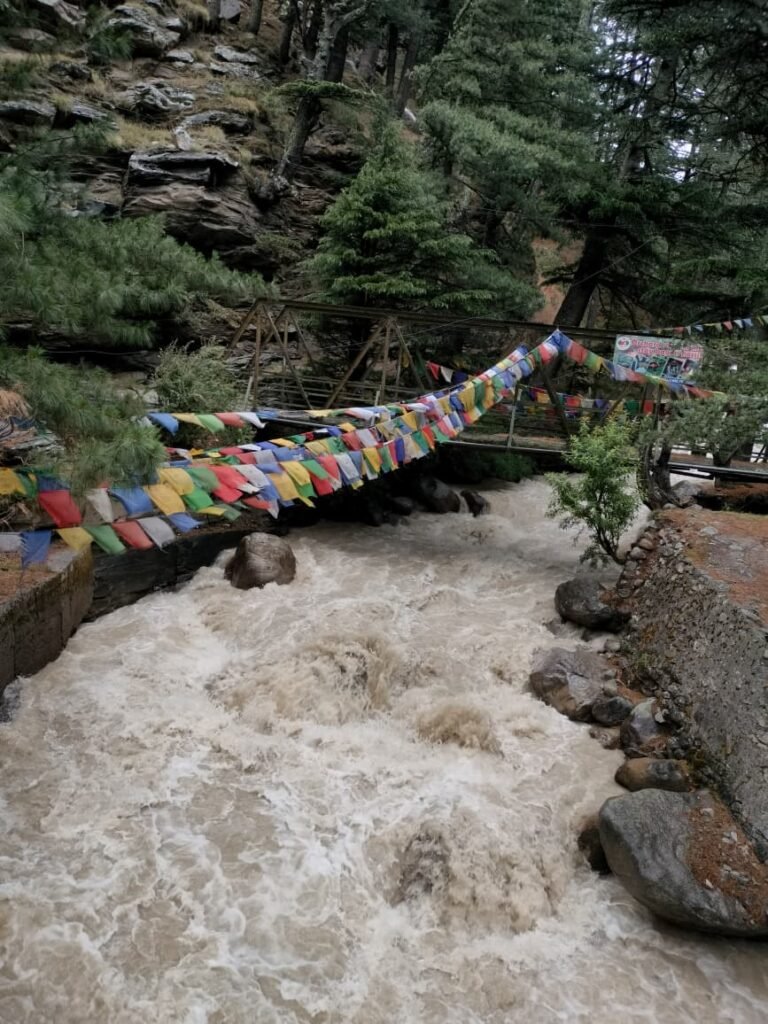
| Monsoon | July–August | Lush but risky — heavy rain increases the chance of landslides and flash floods (as the 2025 Dharali event underlined); best avoided unless conditions are actively confirmed safe |
| Autumn | October–November | Clear skies, golden light, and the Apple Festival (confirm current-year dates before travelling) — widely considered the best season for photography and local culture |
Places to Visit in Harsil Valley
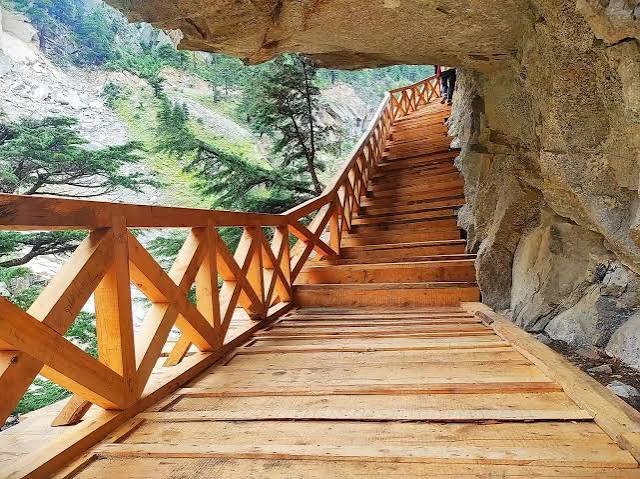
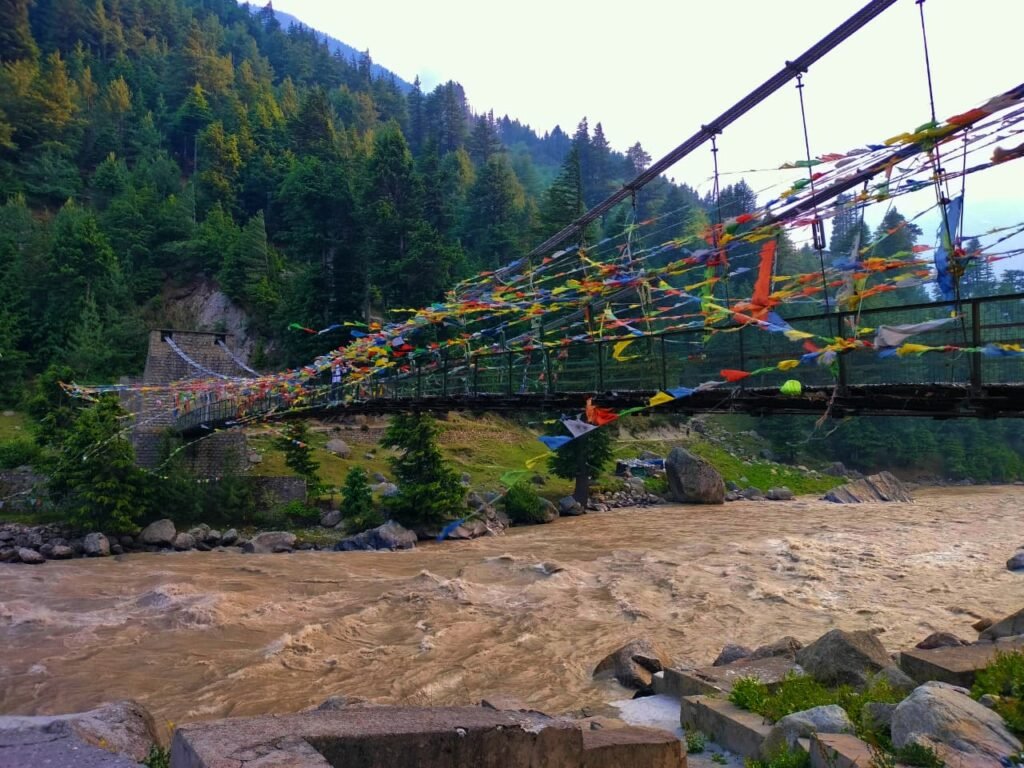
Gartang Gali. A narrow wooden walkway bridge suspended above the Jadh Ganga gorge, built as part of the historic Indo-Tibet salt trade route. It’s one of the more striking pieces of vernacular engineering in the region and a popular short walk from the Nelong Valley approach road.
Laxmi Narayan Temple, Harsil village. A small temple tied to the same Vishnu–Jalandhar–Brinda legend referenced in the valley’s naming story; a good first stop for understanding local mythology before exploring further.
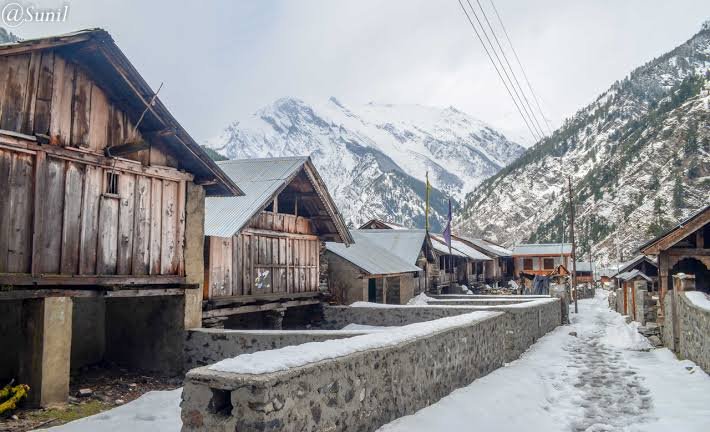
Bagori Village. A 10–15 minute walk from Harsil, home to roughly 150 houses set among apple and apricot orchards. Bagori is mostly inhabited by the Jadh Bhotiya community relocated here after 1962, and visitors can see a Buddhist monastery and the temple of the local deity Laal Devta within a short distance of each other. Note that many residents move to Dunda village for the winter, so the village is much quieter (almost empty in places) from December through March.
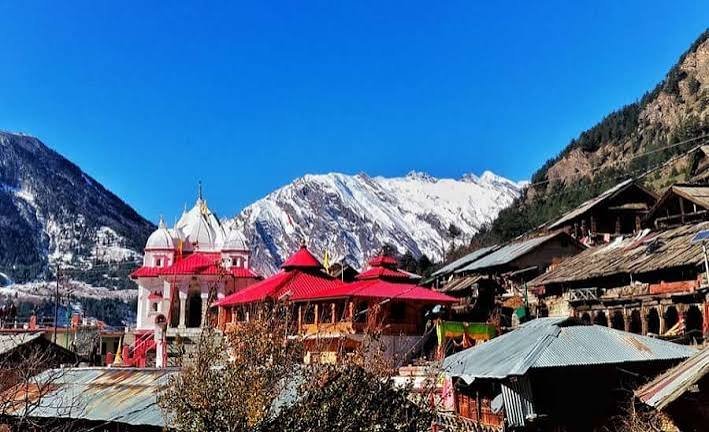
Mukhba (Mukhva) Village. Known locally as “Maa Ganga’s Mayka” (Goddess Ganga’s maternal home), Mukhba is where the idol of the Ganga is brought in a palanquin each winter when Gangotri closes. A newer temple now stands alongside the older wooden shrine; ask locally, as the original wooden temple isn’t always open to visitors by default.
Sukkhi Top. About 5–6 km before Harsil, and the highest point of the valley, offering panoramic views including the ridge between Sian Gad and Jallandhari Gad and, on clear days, a glacier on the Lamkhaga side.
Mandakini Waterfall. A short hike from Harsil village to a waterfall locally associated with the 1985 film Ram Teri Ganga Maili.

Gangnani. A hot-spring village around 31 km from Harsil, associated with Rishi Parashar; many Gangotri-bound pilgrims stop here to bathe before continuing.
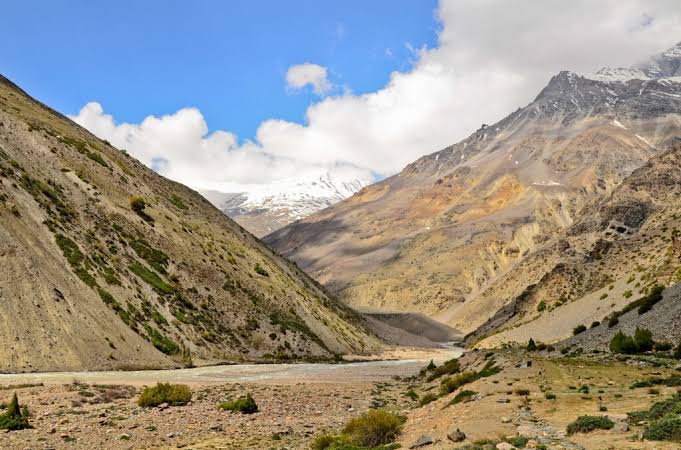
Nelong Valley. Often described as “the Ladakh of Uttarakhand,” this cold-desert valley along the India–Tibet border was closed to civilians from 1962 until 2015 and remains tightly regulated:
- Permit: A same-day Inner Line Permit is required, issued through the District Magistrate/SDM office in Uttarkashi. In practice, this typically involves a written application listing all travellers and vehicle details, photocopies of government ID, and a visit to both the Collectorate and the local police station before the permit is issued. Budget at least a day for the paperwork, and ideally build in a buffer day, as permits can be delayed by weather or holidays. Kashi of North can assist you with the permit process and local coordination in Uttarkashi. For permit assistance or enquiries, contact us on WhatsApp at +91 72530 79221.
- Restrictions: Indian nationals only (no foreign nationals or NRIs); no overnight stay inside the valley — everyone must be back at the Bhaironghati checkpoint by evening; two-wheelers and drones are not allowed; private vehicles with a valid permit generally are.
- Fees: A Gangotri National Park entry fee applies in addition to the permit (this has historically been a modest per-person and per-vehicle charge) — confirm the current amount when applying, as forest and park fees are revised periodically.
- Best season: The valley is generally open May–November, with September–October considered the best window for clear weather.
Treks Around Harsil Valley
Sattal Trek. A steep but short trek from Dharali village (about 3 km), leading to a cluster of glacial lakes (“sat” = seven) and the Vishwanath Temple. Visit in spring for the fullest lakes — they can be frozen in winter or reduced in summer.
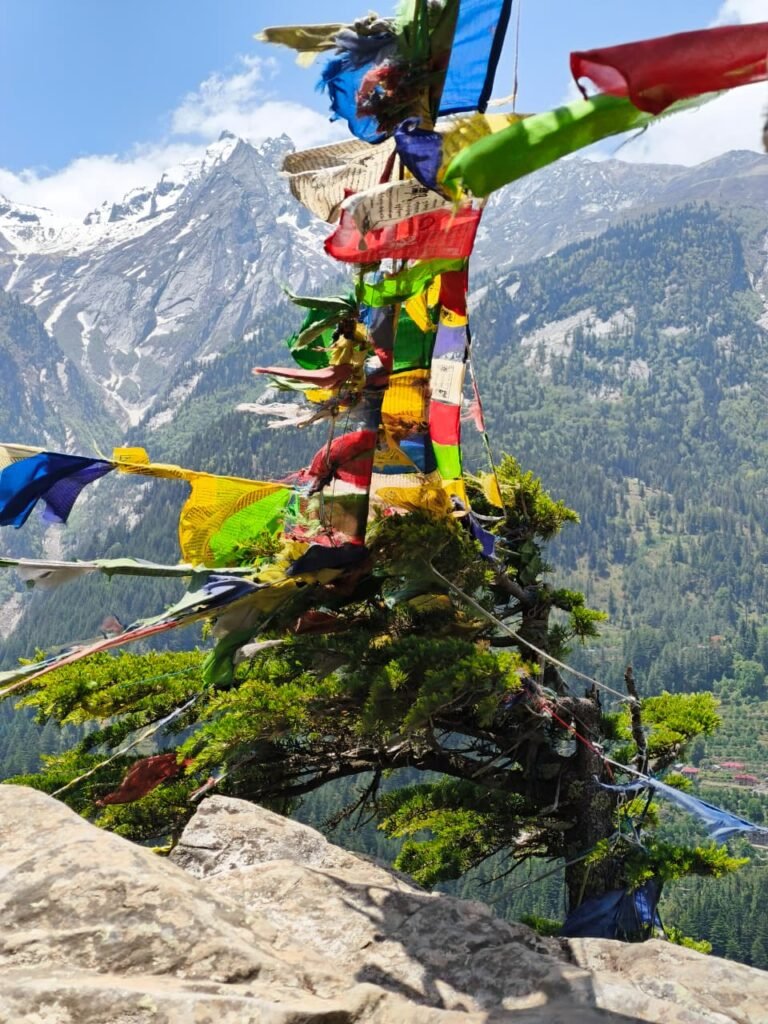
Lama Top. A 2-5 km round trip from Bagori or Dharali village to a summit considered sacred in Buddhist tradition, known for birdwatching (Snow Sparrow, Alpine Chough, Russet Sparrow) and panoramic valley views.
Harsil is also a common base or waypoint for longer, more serious treks and basecamp routes in the region, including Kedartal, Gaumukh–Tapovan, Kyarkoti, Jhinda Bugyal, Bandarpunch Basecamp, and others — these need proper planning, permits, and usually a registered trekking operator, and are worth a dedicated guide of their own.
River Rafting
A roughly 20 km rafting stretch runs on the Bhagirathi/Alaknanda system between Jungle Pul and Jhala Pul, covering the Jangla–Harsil–Jhala area — a lesser-known alternative to the more crowded Rishikesh rafting circuit. As with any Himalayan river activity, only go with a licensed operator and check current river conditions, especially outside the main season.
Festivals of Harsil Valley
Apple Festival. Launched in 2018 to promote local growers and put Harsil’s apples on the map alongside better-known Himachal and Kashmiri varieties, this autumn festival (usually around late October, though exact dates vary year to year) is the best time to buy fresh apples, juice, jam, and cider vinegar directly from local farmers.
Losar. The Tibetan New Year, celebrated by the valley’s Jadh Bhotiya community over three days in the Hindu month of Phalgun, blending Buddhist and Hindu practice. Traditions include lighting pine-torches, making flour-and-rice offerings for good yields, and dancing in traditional dress (the kolak) to the Raso and Tandi folk dances — a rare chance to see the valley’s dual Hindu–Buddhist identity in its most visible form.
Local Food to Try
Along with the valley’s famous apples, look out for white rajma, sisunaak saag (nettle greens), pahadi raita, gehat daal, and chainsoo — simple, hearty Garhwali dishes suited to the altitude and cold.
Planning Your Visit: A Few Practical Notes
- Harsil itself needs no special permit; only Nelong Valley does.
- Pack for cold nights even in summer — the valley’s elevation keeps evenings cool year-round.
- If your plan includes an overnight in Dharali specifically, confirm current accommodation availability in advance given the ongoing recovery from the 2025 flood.
- Mobile connectivity is patchy beyond Uttarkashi; don’t assume you’ll have signal for bookings or navigation once you’re deep in the valley.
- Combine Harsil with Gangotri Dham as a natural 3–4 day loop from Uttarkashi, adding a day for Nelong Valley if your permit timing allows it.
Final Thoughts
Harsil rewards travellers who treat it as a destination rather than a rest stop — the orchards, the Bagori and Mukhba villages, and the drive up to Nelong Valley all deserve unhurried time. It’s also a valley that’s still finding its footing after a genuinely difficult year, so a little local awareness (checking current road and village conditions before you go) goes a long way.
Planning a trip to Harsil Valley or the wider Gangotri route? Kashi of North can help with local transport, homestays, and Nelong Valley permit assistance. Get in touch with us to plan your journey with local support and up-to-date guidance on road and weather conditions.

Explore Uttarkashi. Experience the Himalayas.

You might also like
 Travel Guide
Harsil Valley Trip Planner: Places to Explore, Itinerary, Hotels & Local Travel
Harsil sits on the Bhagirathi River in Uttarkashi district, Uttarakhand, on the road to Gangotri. Most travelers plan a Harsil Valley trip for the Bhagirathi river, the deodar forests, the apple orchards of nearby villages, and a quieter base than the pilgrimage towns downstream. Others use it as a stop before and after Gangotri.
 Rudra Abhishek Puja
Online Rudrabhishek Puja in Kashi Vishwanath Temple, Uttarkashi – Book Shiva Puja from USA, UK, Canada & Worldwide
If you live in the USA, UK, Canada, Australia, the UAE or anywhere else overseas, you may want to offer prayers to Lord Shiva at a sacred temple in India but cannot make the journey. Many NRI families face this. A parent's birthday, a family milestone, a difficult year or simple devotion can all bring up the wish to arrange Rudrabhishek Puja in Uttarkashi from far away.
 Travel Guide
Nelong Valley Tourism Update 2026: Year-Round Access and Daily Visitor Restrictions
Nelong Valley, the remote high-altitude border landscape in Uttarkashi district, Uttarakhand, is entering a new phase…